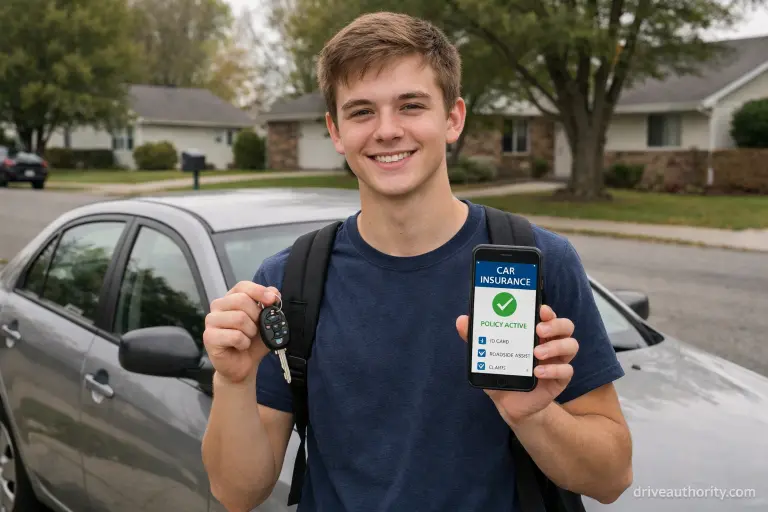
If you are a first-time driver in 2026, the best cheap car insurance is not a brand name—it’s a behavior-based policy paired with the right type of car. New drivers who use telematics insurance and avoid high-risk vehicles typically pay 30–45% less in their first year. Anything else is overpaying.
This guide is written for first-time buyers who want the lowest real monthly cost, not marketing promises.
Who this guide is for (first-time buyers only)
This article applies to you if:
- You have no prior insurance history
- You’re buying your first car, usually used
- You care about monthly cost, not flashy coverage
- You want insurance that adjusts as you prove you’re a safe driver
If you’re buying a sports car, luxury vehicle, or already have tickets—this strategy will not work.
Best Cheap Car Insurance for New Drivers in 2026: What Really Lowers the Price
Insurance companies don’t price “drivers.” They price risk signals. In 2026, four signals matter most.
Driving behavior matters more than age
Telematics programs track braking, acceleration, time of day, and mileage. According to consumer data summarized by Consumer Reports, safe drivers using telematics often see discounts within the first 60–90 days.
For new drivers with no history, this is the fastest path to cheaper insurance.
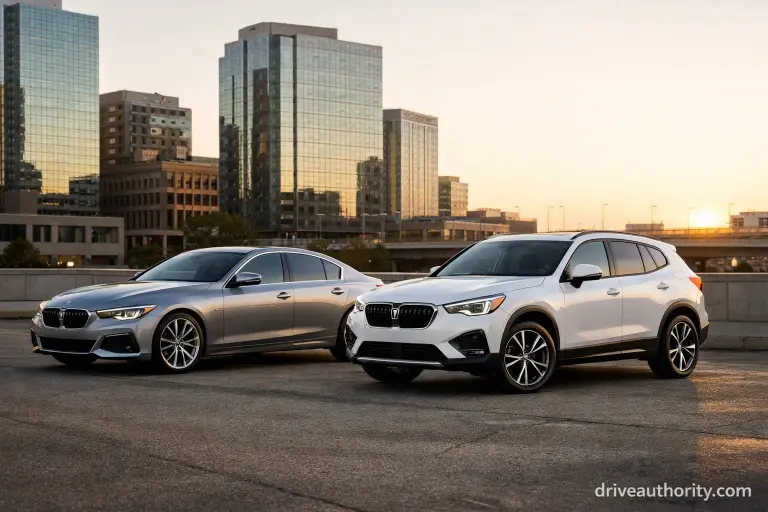
Car choice affects insurance more than people expect
Data from the Insurance Institute for Highway Safety (IIHS) and the Highway Loss Data Institute (HLDI) shows insurers charge more for:
- Coupes
- Turbo engines
- “Sport” trims
- Models with higher theft rates
A cheap-to-buy car can still be expensive to insure.
Mileage is a hidden lever
Drivers under 7,500 miles per year are statistically less likely to file claims. That’s why pay-per-mile insurance exists—and why it can be the cheapest option for students and remote workers.
Coverage structure matters
Many first-time buyers overpay by choosing:
- Low deductibles
- Full coverage on low-value cars
- Add-ons they never use
High deductibles and limited coverage reduce monthly cost immediately.
Telematics Policies: The Best Cheap Car Insurance for New Drivers
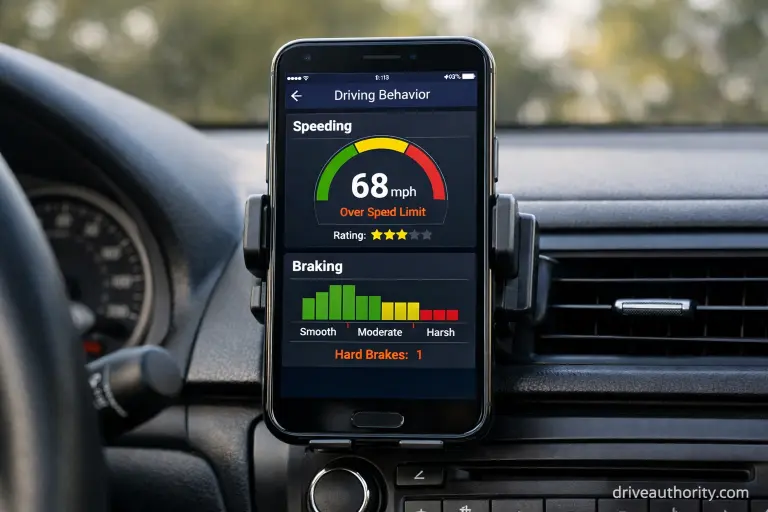
For most first-time drivers, telematics-based insurance is the clear winner.
Why it works
- No driving history required
- Discounts based on actual behavior
- Faster rate reductions than traditional policies
Typical real-world cost in 2026:
- $90–$140/month with telematics
- $150–$220/month without it
The trade-off
- Night driving and hard braking can raise rates
- You must drive consistently and calmly
For disciplined drivers, this is the cheapest long-term option.
Pay-Per-Mile Insurance: Cheap Car Insurance for Low-Mileage New Drivers
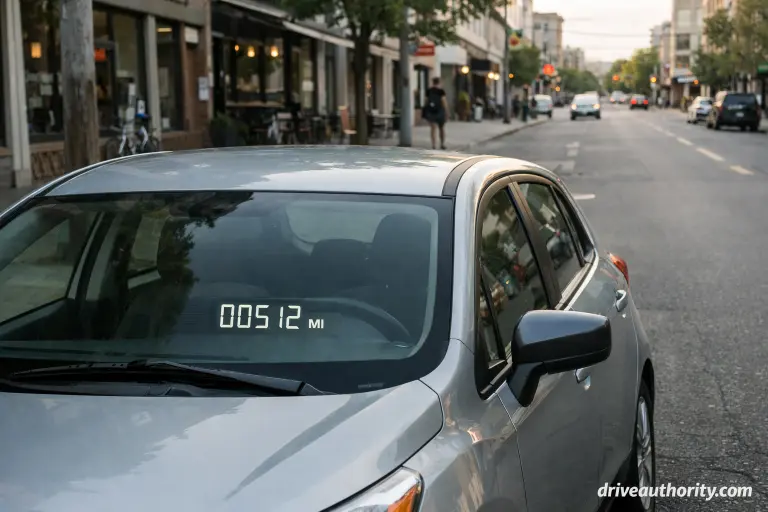
If you drive very little, pay-per-mile insurance can be even cheaper.
Best for:
- Students
- Remote workers
- Urban drivers
- Second cars
Average cost:
- Base fee + per-mile charge
- Often $60–$100/month total
Risk to understand
- Long trips increase costs fast
- Not available in all states
This model works only if your driving stays predictable.
Real Ownership Costs New Drivers Ignore (But Insurers Don’t)
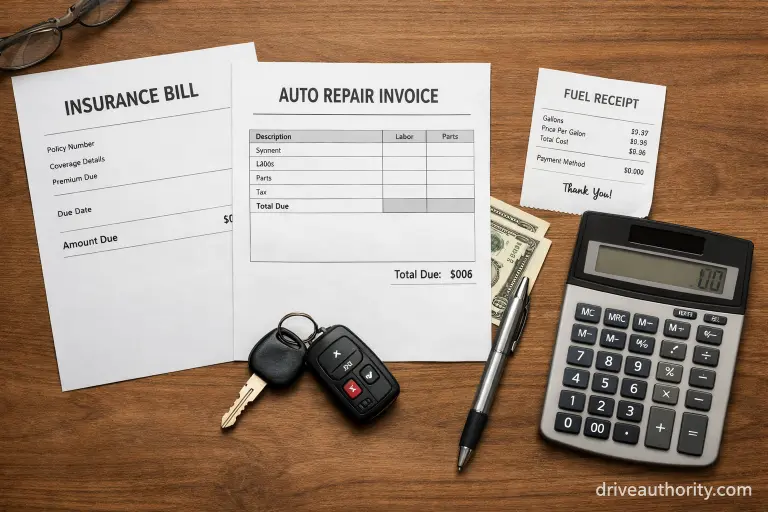
Insurance does not exist in isolation.
Average annual costs for a used compact car:
- Insurance: $1,200–$2,000
- Maintenance: $600–$1,000
- Unexpected repairs: $300–$700
Unreliable cars cause:
- Towing claims
- Missed payments
- Policy lapses
According to industry summaries published by the National Association of Insurance Commissioners (NAIC), lapses and claims raise premiums for years—not months.
Pros and Cons of Cheap Car Insurance Strategies for New Drivers
| Strategy | Pros | Cons |
|---|---|---|
| Telematics insurance | Lowest cost, fast discounts | Driving monitored |
| Pay-per-mile | Extremely cheap for low mileage | Expensive road trips |
| High deductible | Lower monthly bill | Higher out-of-pocket risk |
| Liability-only | Cheapest legal option | No protection for your car |
| Older reliable car | Fewer claims, lower rates | Less modern safety tech |
Common Mistakes That Make New Drivers Overpay
Buying the wrong car
Insurers penalize risk profiles, not purchase price.
Over-insuring low-value vehicles
Full coverage on a $4,000 car rarely makes financial sense.
Missing one payment
A single lapse can increase premiums 20–40%, based on NAIC data.
Never re-shopping
Clean driving data is leverage—use it every 6–12 months.
Final Decision: The Best Cheap Car Insurance for New Drivers in 2026
If you are a first-time buyer, the cheapest insurance is built—not found.
The optimal setup is:
- A used, low-risk sedan or hatchback
- A telematics-based policy
- A higher deductible
- Limited but sufficient coverage
- Re-shopping after 6–12 months of clean data
This strategy consistently delivers the best cheap car insurance for new drivers in 2026 in real ownership conditions.
Next step
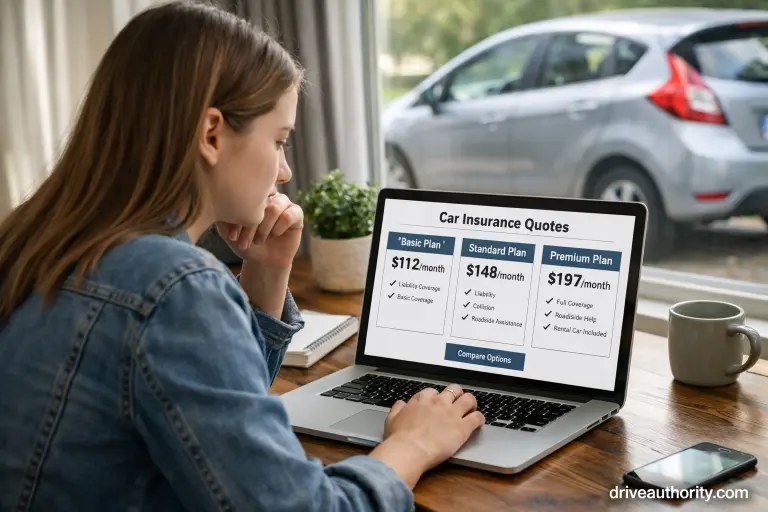
Get three quotes using the same car, same coverage, and with telematics enabled. Compare penalties, not promises. Choose the policy that rewards improvement—not one that locks you in.
That’s how first-time drivers win.