Best Reliable Luxury Cars for Long-Term Ownership: Prices, Specs, and Why It’s So Cheap
The luxury car market runs on a paradox. Walk into any dealership, and you’ll notice something: most luxury buyers are leasing, not buying. They’re cycling through 36-month contracts, trading in before the warranty expires, perpetually afraid of what comes next. That fear isn’t irrational. Finding the best reliable luxury cars requires understanding that reputation for expensive repairs, electronic gremlins, and maintenance bills that rival a mortgage payment.
But here’s what the lease-obsessed market misses: some of the best reliable luxury cars are engineered for the long haul. Not all premium badges come with premium anxiety. The most dependable luxury vehicles combine genuine comfort and refinement with mainstream-level durability, and many of them are shockingly affordable—especially on the used market—precisely because they lack the drama that drives resale hype.
If you want luxury without regret, without the constant worry of what might break next, you need to know where engineering discipline meets premium intent. This guide identifies the best reliable luxury cars that respect long-term owners, explains why many of them depreciate faster than they should, and shows you exactly what 10 years of ownership actually costs.
What Makes Luxury Cars Different from Mainstream Reliability
Luxury car reliability doesn’t follow the same rules as mainstream dependability. A Toyota Camry might run 200,000 miles with nothing more than oil changes and brake pads, but the best reliable luxury cars introduce complexity that changes the equation entirely. Understanding this distinction separates smart buyers from regretful ones.
Mechanical vs Electronic Reliability
Mechanical reliability—the engine, transmission, and core drivetrain—can be excellent in reliable luxury vehicles, particularly those using proven powertrains shared with mainstream siblings. A Lexus ES uses the same bulletproof V6 found in the Toyota Camry. The Genesis G80 borrows Hyundai’s well-tested engines. But luxury cars layer electronics, adaptive suspension, advanced driver aids, and intricate infotainment systems onto that mechanical foundation.
When the best reliable luxury cars fail, it’s rarely a catastrophic engine breakdown. It’s the air suspension pump, the touch screen that stops responding, the parking sensors that throw phantom warnings, the panoramic sunroof mechanism that binds. Interior wear presents another challenge. Luxury buyers expect flawless cabins, and the materials that deliver that experience—real leather, soft-touch plastics, electronic seat adjustments with memory—age differently than cloth seats and manual controls.
What Long-Term Owners Actually Care About
Real-world reliability for luxury buyers comes down to four concerns. First, powertrain longevity matters most in the best reliable luxury cars. An engine or transmission that’s been proven over hundreds of thousands of vehicles across multiple model years reduces risk dramatically. Second-generation powertrains beat cutting-edge tech every time for long-term confidence.
Parts availability and service ecosystem determine whether a repair is an inconvenience or a disaster. Lexus and Acura parts are readily available, reasonably priced, and serviceable at thousands of locations. Obscure European luxury brands might require specialized dealers, weeks-long parts orders, and diagnostic equipment that independent shops don’t stock.
Software and Warranty Considerations
Software stability becomes critical as vehicles become computers on wheels. Early infotainment systems and electronic interfaces age poorly, suffering from slow processors, outdated software, and compatibility issues with modern devices. Cars that rely heavily on touch screens and eliminate physical controls often become frustrating to use within five years.
Warranty coverage and real-world failure rates reveal the truth manufacturers won’t advertise. Genesis offers ten years and 100,000 miles on powertrain coverage because Hyundai knows their engines last. Brands with short warranties or expensive extended coverage are telling you something about their confidence in longevity, according to Consumer Reports reliability data.
Why Reliable Luxury Cars Depreciate Faster Than You’d Expect
The sticker shock works in reverse with the best reliable luxury cars. You expect premium badges to hold value, but some of the most dependable luxury vehicles depreciate at stunning rates. A three-year-old Lexus ES or Genesis G80 might cost 40-50% less than new, not because anything is wrong, but because depreciation in luxury segments follows emotion, not engineering.
The Hidden Subsidy of Luxury Depreciation
Luxury depreciation is the hidden subsidy for smart buyers. New luxury car buyers pay for the experience of being first, the ego satisfaction of the latest model, and the certainty of full warranty coverage. But the reliability premium—the actual value of a car that won’t break—doesn’t depreciate with the price. A five-year-old Lexus RX with 60,000 miles is nearly as reliable as a new one, yet costs half as much.
Reliability and resale hype are completely different forces. Tesla holds value because of brand excitement and limited used supply. BMW retains more value than Genesis despite worse reliability because the badge carries status. The market rewards perception and performance, not ownership sanity. This creates opportunity for buyers seeking the best reliable luxury cars who care more about their bank account than what people think at the valet stand.
Why Lease Returns Flood the Market
Lease-heavy ownership cycles flood the used market with low-mileage luxury cars whose first owners never intended to keep them. When 70% of luxury buyers lease, that creates a wave of off-lease inventory every three years, depressing prices for patient buyers who understand that the best reliable luxury cars with 30,000 miles are barely broken in.
Conservative design ages poorly in the eyes of trend-chasing buyers. Lexus styling evolves slowly, prioritizing refinement over shock value. Genesis deliberately chose restrained elegance over aggressive character. These design philosophies create timeless interiors and exteriors that won’t look dated in ten years, but they don’t photograph well on Instagram, and they don’t generate waiting lists.
Platform Maturity vs Marketing Hype
Older proven platforms sacrifice cutting-edge cachet for long-term dependability. The Lexus ES rides on a platform that’s been refined across multiple generations, with every flaw engineered out and every weak point reinforced. That maturity costs nothing in real-world performance but hemorrhages value in a market obsessed with “all-new” redesigns.
Lower brand status despite higher reliability creates the ultimate buyer’s paradox among reliable luxury cars. Genesis and Acura build genuinely impressive luxury vehicles with segment-leading warranties and proven reliability, but they lack the social currency of German badges. Performance-chasing buyers distort the market. Turbocharged engines, aggressive styling, and sport-tuned suspensions attract attention and hold value. Naturally aspirated V6s, comfortable ride quality, and understated presence—the traits that ensure long-term reliability—bore enthusiast reviewers and depreciate faster as a result.
How We Selected the Best Reliable Luxury Cars
Choosing the most dependable luxury vehicles requires looking past marketing claims and dealer promises. We focused on vehicles with proven powertrains that have logged at least five to ten years in real-world use across hundreds of thousands of vehicles. Industry reliability ratings from J.D. Power and Consumer Reports provide statistical backing, but we weighted owner experiences and known failure patterns heavily.
Our Reliability Screening Process
A car that rates well but has one catastrophic, expensive failure mode—like certain German SUVs with air suspension collapses—drops off our list of best reliable luxury cars. Known failure patterns matter more than average scores because luxury repairs aren’t equal. A model with frequent minor electrical glitches might score poorly on surveys yet remain affordable to own if those repairs are cheap.
Conversely, a car that rarely fails but requires $4,000 transmission replacements when it does presents a different risk entirely. We looked for vehicles where common issues are minor and major failures are genuinely rare, ensuring these qualify as the best reliable luxury cars.
Ownership Cost Analysis
Maintenance costs over a five to ten year horizon separate genuinely affordable luxury from deferred financial disaster. We calculated realistic maintenance schedules—not just oil changes, but brake jobs, tire replacements, coolant flushes, and transmission services—using actual parts and labor rates. Some luxury brands require synthetic oil changes every 10,000 miles at $150 each. Others demand services every 5,000 miles at $200.
Repair frequency versus repair cost reveals two different ownership experiences among reliable luxury cars. Some visit the shop often for minor issues that cost $200-500 each time. Others run for years without problems but require $2,000-3,000 repairs when something finally fails. We weighted both factors, preferring cars that minimize both frequency and severity.
Warranty and Insurance Factors
Insurance and depreciation impact total cost of ownership as much as repairs. Luxury cars with high theft rates, expensive parts, or poor crash protection cost more to insure. Models that depreciate 60% in five years might seem like bargains used, but they’re financial disasters if you buy new. We considered the full ownership picture for the best reliable luxury cars.
Warranty length and certified pre-owned value provide insurance against the unknown. Genesis and Hyundai’s ten-year powertrain warranties transfer to second owners, effectively de-risking used purchases. Lexus and Acura CPO programs extend warranties and include roadside assistance, creating a middle ground between new-car costs and used-car risk.
The Best Reliable Luxury Cars for Long-Term Ownership
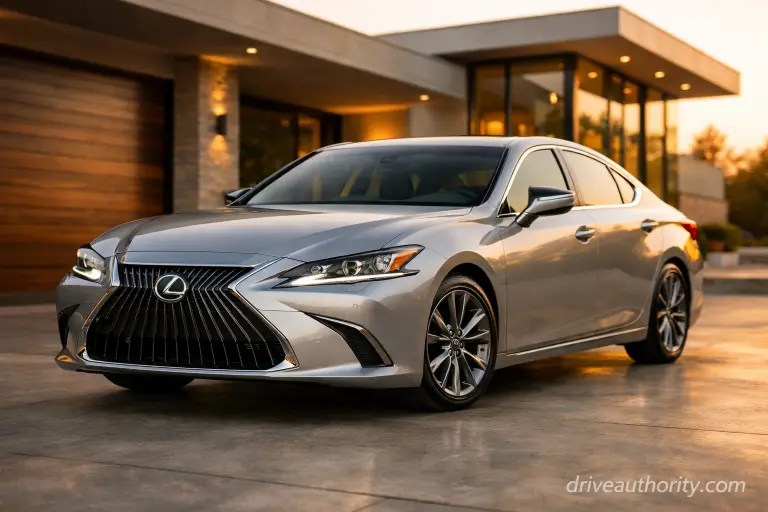
Lexus ES 350 / ES 300h – The Benchmark for Reliable Luxury
Starting Price: $42,000 new, $25,000-32,000 CPO (3-5 years old)
Powertrain & Specs: The ES 350 uses Toyota’s 3.5L V6 producing 302 horsepower, paired with an eight-speed automatic transmission. The ES 300h combines a 2.5L four-cylinder with Toyota’s hybrid system for 215 combined horsepower and 44 mpg combined. Both powertrains have logged millions of miles across the Toyota and Lexus lineup with minimal failures.
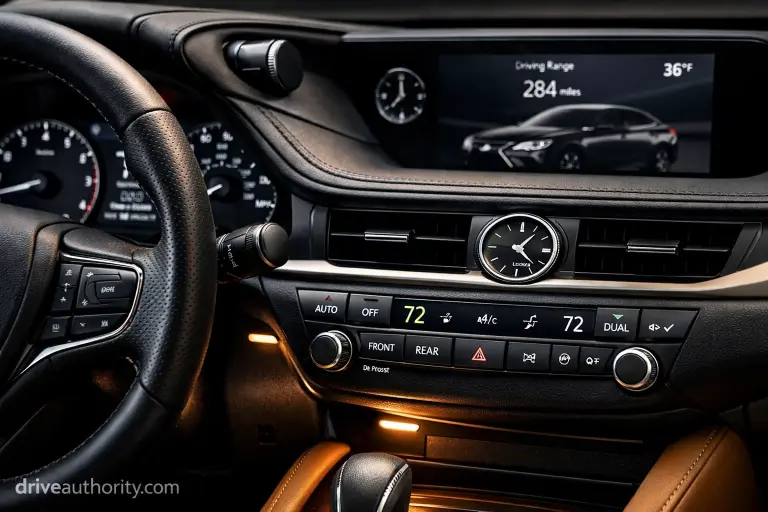
Why the Lexus ES Ranks Among Best Reliable Luxury Cars
The ES shares its platform, engine, and transmission with the Toyota Avalon and Camry. This isn’t badge engineering—it’s Toyota’s most refined execution of their most proven components. The V6 has been in production since 2017 with virtually no pattern failures. The hybrid system uses technology refined over 20 years and multiple generations.
Electronics are conservative, with physical buttons for climate and audio controls. There’s no air suspension to leak, no dual-clutch transmission to shudder, no turbocharger to fail at 100,000 miles. This makes the ES one of the most dependable luxury sedans available.
Depreciation and Value Proposition
The ES depreciates 45-50% in five years because it’s invisible. The styling is handsome but anonymous. Performance is adequate but not thrilling. The badge doesn’t turn heads at country clubs. Lease-return inventory floods the market every three years because original buyers chase the newer model. This creates a buyer’s paradise for anyone seeking the best reliable luxury cars who value their wallet over their ego.
Real Ownership Costs and Maintenance
Expect $800-1,200 annually in maintenance—oil changes, tire rotations, brake pads around year four, transmission fluid at year six. The hybrid might need a battery replacement after 150,000-200,000 miles at $2,500-3,500, but Toyota’s battery warranty covers eight years and 100,000 miles. Major repairs are rare enough to be statistically insignificant.
Insurance runs 15-20% less than German competitors. Total ten-year cost of ownership, including depreciation, maintenance, and repairs: approximately $45,000-55,000 for a CPO model purchased at $28,000. Perfect for buyers who want luxury without drama, quiet cabins, excellent fuel economy, and the confidence to drive anywhere without worrying about the nearest dealer.
Lexus RX 350 / RX 450h – Best Reliable Luxury SUV
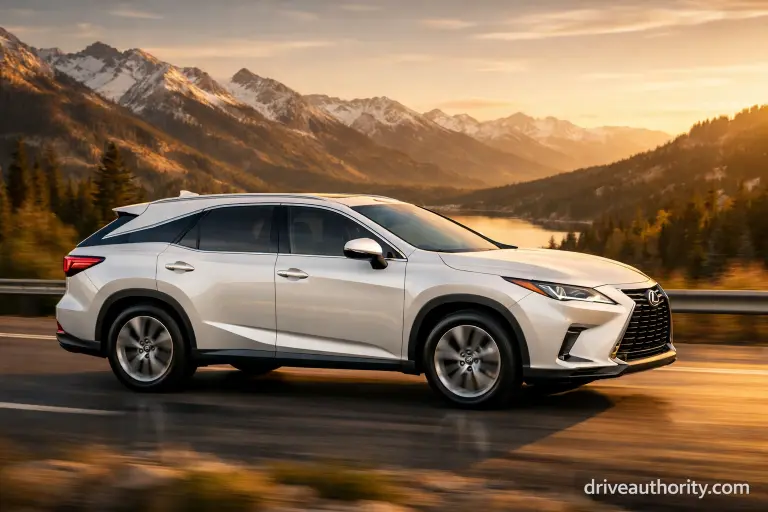
Starting Price: $48,000 new, $30,000-38,000 CPO (3-5 years old)
Powertrain & Specs: The RX 350 uses the same 3.5L V6 as the ES, producing 295 horsepower with an eight-speed automatic and available AWD. The RX 450h pairs a 3.5L V6 with electric motors for 308 combined horsepower and 30 mpg combined. Both configurations have proven themselves across hundreds of thousands of RX, Highlander, and Sienna applications.
Why the RX Dominates Reliable Luxury SUV Rankings
Lexus builds the RX on Toyota’s K platform, shared with the Highlander and Sienna minivan. That architecture prioritizes durability and ease of service over dynamic handling. The hybrid system in the 450h is bulletproof—second and third-generation technology that Toyota has refined relentlessly. Lexus dealers see RX models with 200,000+ miles regularly, and the most common repairs are wear items like brakes and tires.
The RX avoids the electronic complexity common in German luxury SUVs. It skips air suspension entirely, eliminates transfer case headaches, and relies on naturally aspirated or proven hybrid powertrains instead of fragile turbochargers. As a result, its long-term reliability record places it among the best reliable luxury cars in the SUV segment.
Long-Term Cost and Value
RX depreciation mirrors ES patterns—45-50% in five years—because the market treats reliable luxury as boring luxury. Three-row SUVs with more aggressive styling steal attention. Performance crossovers attract enthusiasts. The RX appeals to pragmatic buyers who keep cars for ten years, but that demographic doesn’t drive resale values.
Annual maintenance runs $1,000-1,400, slightly higher than the ES due to AWD components and larger brakes. The hybrid battery warranty mirrors the ES at eight years and 100,000 miles. Expect to replace tires every 40,000-50,000 miles at $800-1,000 per set. Ten-year total ownership cost for a CPO model purchased at $34,000: approximately $55,000-65,000.
Genesis G80 / GV80 (V6 Models) – Best Reliable Luxury Cars with Warranty Protection
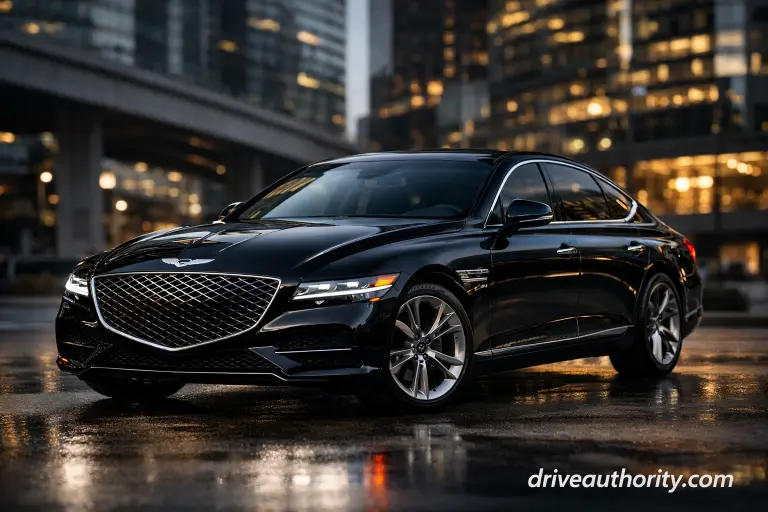
Starting Price: $49,000 new (G80), $56,000 new (GV80); $32,000-40,000 CPO (2-4 years old)
Powertrain & Specs: Both models use Hyundai’s 3.5L twin-turbo V6 producing 375 horsepower (G80) or a 2.5L turbo four-cylinder with 300 horsepower. The eight-speed automatic transmission comes from ZF, proven across the industry. All-wheel drive is standard on GV80 and available on G80. We recommend focusing on 2022+ models with updated software and refined build quality.
Hyundai Engineering Meets Luxury Execution
Genesis vehicles use Hyundai’s most proven powertrains—engines and transmissions that power millions of Hyundai and Kia vehicles globally. While the twin-turbo V6 is more complex than Lexus naturally aspirated engines, it’s been refined across multiple model years with strong real-world results. Hyundai learned from early Genesis quality issues and dramatically improved assembly and materials by 2022.
The reliability multiplier is Genesis’ industry-leading warranty: five years and 60,000 miles bumper-to-bumper, ten years and 100,000 miles on the powertrain. This warranty transfers to second owners, effectively providing insurance against major failures even when buying used among the best reliable luxury cars.
Why Genesis Offers Better Value Than German Rivals
Genesis suffers from badge snobbery. The vehicles match or exceed German rivals in luxury, technology, and performance, but lack decades of prestige. Buyers who care about perception flee to BMW and Mercedes, leaving Genesis undervalued. Depreciation runs 50-55% in five years—worse than Lexus, better than most European brands—creating massive value for buyers seeking reliable luxury cars.
Maintenance runs $1,200-1,600 annually due to turbocharged engines requiring premium fuel and more frequent oil changes. However, the comprehensive warranty covers virtually all repairs through the first five years. After warranty expiration, parts costs run higher than Lexus but lower than German brands. Ten-year total ownership cost for a CPO model purchased at $36,000: approximately $58,000-70,000.
Acura TLX / MDX (Non-Turbo Focus) – Understated Best Reliable Luxury Cars
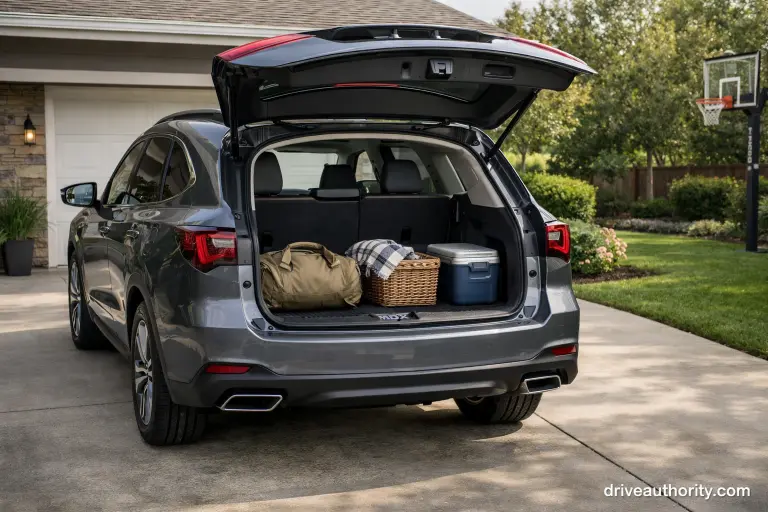
Starting Price: $44,000 new (TLX), $51,000 new (MDX); $26,000-35,000 CPO (3-5 years old)
Powertrain & Specs: The TLX uses Honda’s 2.0L turbo four-cylinder (272 hp) or a 3.0L turbo V6 (355 hp). The MDX uses a 3.5L V6 producing 290 horsepower. We recommend focusing on naturally aspirated engines when available, or the proven turbo four-cylinder that powers the Accord.
Honda Reliability in Luxury Form
Acura is Honda with leather seats and better sound insulation. The engineering DNA prioritizes durability, ease of service, and real-world usability over cutting-edge technology. The MDX’s V6 has logged millions of miles across Honda and Acura vehicles with minimal pattern failures, securing its place among the best reliable luxury cars.
Even Acura’s turbocharged engines benefit from Honda’s conservative approach—they’re not pushing extreme power from small displacement, which reduces stress and increases longevity. Acura’s Super Handling All-Wheel Drive (SH-AWD) is more complex than simple AWD systems, but Honda’s obsessive testing ensures reliability.
Value and Ownership Economics
Acura suffers from identity confusion. The brand doesn’t scream luxury like Lexus or European makes, and performance enthusiasts dismiss it as too soft. This leaves Acura in no-man’s-land, appealing to pragmatic buyers who don’t drive resale values. Depreciation runs 48-52% in five years.
Maintenance costs run $900-1,300 annually, similar to Lexus but with slightly higher parts costs. Honda reliability means major repairs are rare among these dependable luxury vehicles. Insurance runs 10-15% less than German competitors. Ten-year total ownership cost for a CPO MDX purchased at $32,000: approximately $52,000-62,000.
Volvo XC60 / XC90 (T5 / B5 Focus) – Safe and Reliable Luxury Cars with Caveats
Starting Price: $44,000 new (XC60), $54,000 new (XC90); $28,000-38,000 CPO (3-5 years old)
Powertrain & Specs: Focus on the T5 (turbocharged 2.0L four-cylinder, 250 hp) or B5 mild-hybrid variant (2.0L with 48V hybrid, 247 hp). Avoid the T6 (supercharged and turbocharged) and T8 plug-in hybrid unless buying with warranty coverage.
Understanding Volvo’s Reliability Profile
Volvo’s mechanical reliability—engines, transmissions, and core systems—is strong, especially with the simpler T5 and B5 powertrains. The 2.0L four-cylinder has been refined across millions of Volvo and Geely vehicles globally. Where Volvo struggles is electronics and software. Early infotainment systems suffered from bugs and slow processors.
The key to reliable Volvo ownership is choosing the right powertrain and buying CPO. The T5 and B5 engines are far less complex than the T6 and T8. Volvo’s CPO warranty extends coverage to six years and 100,000 miles, protecting against electronic failures and qualifying these as conditional best reliable luxury cars.
Depreciation and Cost Considerations
Volvo depreciation runs 52-58% in five years—steep even for luxury. The brand lacks German prestige, and early reliability issues from the 2000s still haunt its reputation. Maintenance runs $1,200-1,700 annually, higher than Japanese luxury due to European parts pricing. Budget $1,500-2,500 beyond normal maintenance for electronic issues over ten years. Ten-year total ownership cost for a CPO XC60 purchased at $32,000: approximately $58,000-72,000.
Mazda CX-90 / CX-70 (Near-Luxury Wildcard)
Starting Price: $40,000-50,000 new; too new for extensive CPO inventory (2024+ models)
Powertrain & Specs: The CX-90 uses a 3.3L inline-six turbo (280 hp) with mild-hybrid assist or a plug-in hybrid system. These are Mazda’s first attempts at true luxury-level vehicles, so long-term reliability data is limited.
Why Mazda Belongs in This Discussion
Mazda has earned a reputation for building reliable, driver-focused vehicles with near-luxury execution. While we don’t have ten years of reliability data for these newest models, Mazda’s track record suggests these vehicles will age well and potentially join the ranks of best reliable luxury cars.
You’re buying the promise of reliability based on brand history, not proven longevity. The advantage is that you’re getting 85% of the luxury experience for 70% of the price, with a brand that has consistently delivered on reliability across its model range.
Critical Specs That Predict Luxury Car Longevity
The specifications that matter for reliability in the best reliable luxury cars rarely match the ones highlighted in marketing materials. Horsepower and zero-to-sixty times don’t predict whether a car will reach 200,000 miles without major repairs.
Engine Technology and Reliability
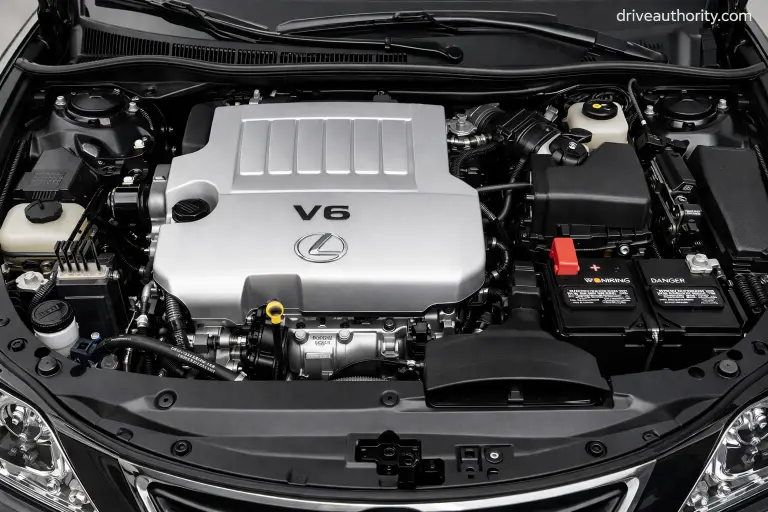
Naturally aspirated engines outlast turbocharged engines in long-term ownership because they operate under less stress. Turbos compress air to generate more power from smaller displacement, but that process creates heat and mechanical strain. Turbochargers themselves wear out—typically after 100,000-150,000 miles—requiring $1,500-3,000 replacements.
Naturally aspirated V6 engines like those in the best reliable luxury cars from Lexus and Acura regularly reach 300,000 miles with nothing more than routine maintenance. Hybrid systems with long track records provide the best of both worlds—better fuel economy without sacrificing reliability.
Transmission and Drivetrain Considerations
Traditional automatics beat dual-clutch gearboxes for reliability every time in dependable luxury vehicles. Conventional automatic transmissions use torque converters and have been refined over decades. They’re smooth, predictable, and easy to service. Dual-clutch transmissions offer faster shifts and better performance but suffer from shuddering, clutch wear, and expensive repairs.
AWD system complexity varies dramatically between brands. Simple AWD systems that engage the rear wheels when needed are reliable and add minimal maintenance cost. Complex systems with torque-vectoring, multiple clutches, and electronic controls introduce failure points in otherwise reliable luxury cars.
Features That Hurt Long-Term Reliability
Air suspension delivers a cloud-like ride when new and a financial nightmare when old. The compressors, air springs, and sensors fail with age, and repairs cost $2,000-4,000 per corner. Traditional coil springs last the life of the vehicle and cost $300-500 to replace if needed, making them preferable in the best reliable luxury cars.
Over-digitized interiors age poorly as processors slow down, software becomes outdated, and touch screens fail. Cars that eliminate physical buttons in favor of touch controls frustrate owners within five years. First-generation engines and transmissions should be avoided regardless of brand when seeking reliable luxury vehicles.
Real Cost Comparison: Best Reliable Luxury Cars Over 10 Years
Understanding true ownership costs requires looking beyond the purchase price. The cheapest luxury car to buy isn’t always the most affordable reliable luxury car to own, and the most expensive upfront can deliver the lowest total cost if it avoids major repairs.
Maintenance Cost Comparison
| Vehicle | Annual Maintenance | Major Service Costs | 10-Year Maintenance Total |
|---|---|---|---|
| Lexus ES 350 | $900 | Low | $9,000-11,000 |
| Lexus RX 350 | $1,100 | Low | $11,000-13,000 |
| Genesis G80 | $1,400 | Medium (post-warranty) | $14,000-17,000 |
| Acura MDX | $1,100 | Low | $11,000-13,000 |
| Volvo XC60 (T5) | $1,500 | Medium-High | $15,000-19,000 |
| BMW X5 (comparison) | $1,800 | High | $18,000-25,000 |
| Mercedes GLE (comparison) | $1,900 | High | $19,000-26,000 |
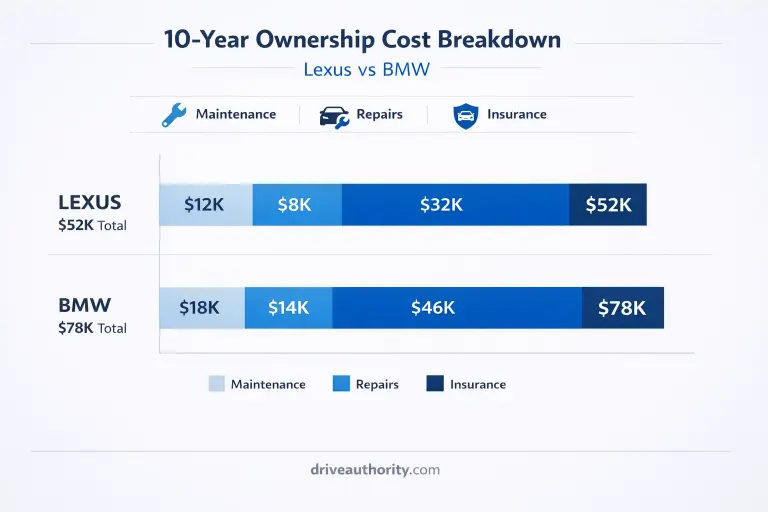
These numbers assume routine maintenance performed at recommended intervals for the best reliable luxury cars using OEM or quality aftermarket parts. They include oil changes, brake pads and rotors, tires, fluids, filters, and scheduled services.
Repair Probability in Reliable Luxury Cars
Lexus and Acura models rarely experience major failures. When repairs are needed, they’re typically wear items or minor components. The probability of a catastrophic $3,000+ repair over ten years sits around 15-20% for these best reliable luxury cars—meaning most owners never experience one.
Genesis falls in the middle. The comprehensive warranty covers the first five to ten years, so early ownership is protected. Post-warranty, repair probability increases slightly due to turbocharged engines and more complex electronics among these reliable luxury cars. Probability of major repair over ten years: 25-30%.
Insurance and Fuel Economics
Insurance costs vary by model, but the best reliable luxury cars typically cost 15-25% less to insure than high-performance German alternatives. A Lexus RX might cost $1,400 annually to insure versus $1,800 for a BMW X5. Over ten years, that’s $4,000 in savings.
Fuel costs matter more for SUVs than sedans. The Lexus RX 450h hybrid delivers 30 mpg combined versus 22 mpg for a German rival. At 12,000 miles annually and $4.00 per gallon, that’s a difference of $650 per year, or $6,500 over ten years, making hybrids among the most economical reliable luxury cars.
How Different Luxury Brands Age
Lexus, Acura, and Genesis age well mechanically and hold up reasonably in resale relative to other luxury brands. Their conservative engineering means fewer expensive surprises. Parts remain available and reasonably priced even for older models among these best reliable luxury cars.
German luxury brands age poorly after warranty expiration. The complexity that makes them exciting when new becomes a financial burden when old. Electronic failures multiply. A ten-year-old German luxury car often feels worn and expensive to maintain compared to the best reliable luxury cars.
Smart Buying Strategies for Reliable Luxury Cars
Buying strategy matters as much as model choice when pursuing the best reliable luxury cars. The same car can deliver vastly different ownership experiences depending on when and how you buy it.
Why CPO Makes Sense for Reliable Luxury Cars
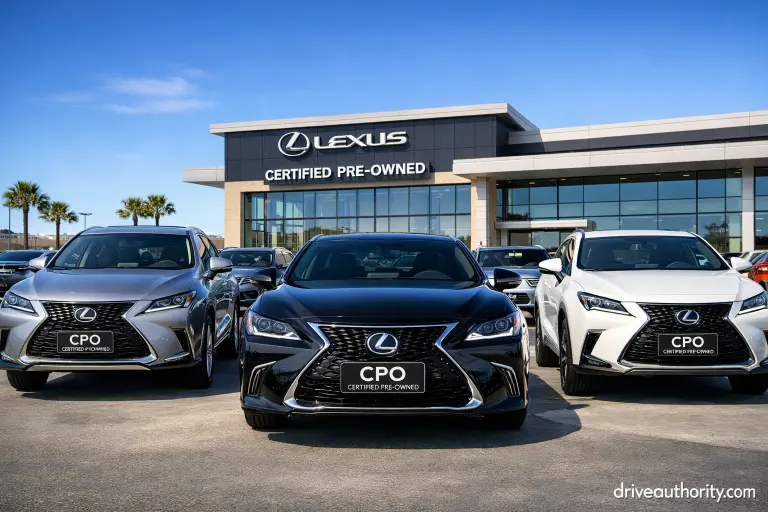
Certified pre-owned represents the sweet spot for reliable luxury car ownership. You avoid the steepest depreciation—the first three years—while gaining extended warranty coverage that protects against unexpected repairs. A CPO Lexus RX might cost $34,000 versus $52,000 new, yet deliver 85-90% of the remaining useful life with six years and 100,000 miles of warranty coverage remaining.
You’re essentially buying proven reliability at a 35% discount when choosing CPO models among the best reliable luxury cars. This strategy works particularly well for Lexus, Acura, and Genesis models where reliability is already strong and CPO programs are comprehensive.
When Buying New Makes Sense
Buying new makes sense in limited circumstances for the best reliable luxury cars. If you plan to keep the vehicle 10-15 years and drive it past 150,000 miles, buying new with full warranty coverage provides peace of mind during the early years. New purchases also make sense for models with significant updates—improved safety features, refined powertrains, or resolved reliability issues.
For Lexus and Acura, the new-versus-CPO decision often comes down to financing and personal preference. These reliable luxury vehicles depreciate predictably, and CPO examples offer such strong value that buying new primarily makes sense if you want the latest features or plan to keep the car until the wheels fall off.
The Danger of Used German Luxury Without Warranty
The used luxury market tempts buyers with seemingly incredible deals. A five-year-old BMW 5 Series or Mercedes E-Class for $28,000 looks like a bargain compared to a $42,000 new Lexus ES from our list of best reliable luxury cars. But that comparison ignores the cost structure waiting in the wings.
German luxury vehicles are engineered for three-year lease cycles. After 60,000-80,000 miles, these cars require expensive repairs that second owners must absorb. Without warranty coverage, you’re gambling that your particular example will beat the reliability statistics. The appeal of cheap German luxury evaporates the first time you’re quoted $4,500 for a repair that would cost $1,200 on a Lexus—if it happened at all.
Common Mistakes When Shopping for Reliable Luxury Cars
Understanding the right approach matters less than avoiding the wrong ones. Buyers make predictable mistakes that transform reliable luxury car ownership into expensive regret.
Confusing Brand Reputation with Reliability Reality
Mercedes and BMW built strong reputations for engineering excellence and performance, and those reputations persist even as reliability rankings show consistent struggles. Buyers assume German badges guarantee quality among reliable luxury cars, when the data shows the opposite for long-term ownership. Brand perception and mechanical reality are completely different metrics.
Buying Performance Trims Instead of Reliable Variants
The BMW X5 M50i with its twin-turbo V8 sounds thrilling in reviews, but 95% of owners would be equally satisfied with the base turbo six-cylinder among more dependable luxury vehicles—while spending thousands less on fuel, maintenance, and repairs. Performance trims use more aggressive components that wear faster and cost more to replace.
Overlooking Service Access and Parts Availability
A Lexus can be serviced at hundreds of dealers nationwide, and independent shops can handle most maintenance for these best reliable luxury cars. Specialty European brands might have three dealers in your state, none within 50 miles of your home. Parts availability follows the same pattern for reliable luxury vehicles.
Underestimating Electronics Failure Costs
A failed infotainment screen in a modern luxury car isn’t a convenience issue—it’s a functionality crisis. Replacement costs run $2,000-4,000 depending on the vehicle. Modern luxury cars have dozens of electronic modules, each a potential failure point that can undermine even the most mechanically reliable luxury car.
The “Cheap” Luxury Trap
That $22,000 five-year-old Audi Q7 with 75,000 miles looks like incredible value until the air suspension fails, the dual-clutch transmission shudders, and the touchscreen goes blank—all within the first year of ownership. Suddenly you’ve spent $8,000 on repairs. If a luxury car seems too cheap for its age and mileage compared to the best reliable luxury cars, there’s usually a reason—and that reason will cost you money.
Best Reliable Luxury Cars by Buyer Type
Different buyers need different solutions. The most dependable luxury car depends on your priorities, usage patterns, and ownership horizon.
Best Reliable Luxury Cars for 10+ Year Ownership

Lexus ES 350 or RX 350 are the best reliable luxury cars for extended ownership. These vehicles are engineered for longevity, with proven powertrains, simple electronics, and wide service networks. Owners regularly report 200,000-300,000 miles with only routine maintenance.
The combination of Toyota reliability and Lexus refinement creates vehicles that remain satisfying to own long after competitors have worn out. If your goal is to buy once and drive until replacement becomes necessary rather than desirable, Lexus delivers better than any competitor among reliable luxury cars.
Best Reliable Luxury SUV Options
Lexus RX 350 or Acura MDX stand out as the best reliable luxury cars in the SUV segment. The RX offers superior refinement, quieter cabins, and slightly better reliability. The MDX provides more engaging driving dynamics, better AWD capability, and more interior space. Both will comfortably exceed 150,000 miles with minimal drama.
Best Reliable Hybrid Luxury Cars
Lexus ES 300h or RX 450h represent the pinnacle of reliable luxury car hybrid technology. Toyota’s hybrid technology has proven itself over millions of vehicles and 25 years of refinement. The fuel economy advantage—40+ mpg in the ES, 30+ in the RX—pays for itself over time while reducing brake wear and maintenance frequency.
Battery degradation is minimal over typical ownership periods, and Toyota’s eight-year, 100,000-mile battery warranty provides protection. These aren’t compromised eco-cars—they’re genuinely refined luxury vehicles that happen to sip fuel, making them among the best reliable luxury cars available.
Best Reliable Luxury Cars Under $30K Used
CPO Lexus ES 350 or Acura TLX (3-5 years old, 40,000-60,000 miles) offer the best value in dependable luxury vehicles under $30,000. This price range puts you into well-maintained examples with remaining warranty coverage and plenty of useful life ahead.
Avoid the temptation of German luxury at this price point—you’re buying someone else’s depreciation problem. Japanese luxury at $28,000 delivers better ownership experience than European luxury at the same price among reliable luxury cars.
Best Reliable Luxury Cars for Low Anxiety Ownership
Genesis G80 or GV80 (CPO with warranty transfer) combine modern features with comprehensive protection. While not quite matching Lexus for long-term durability data, Genesis offers the best balance of modern features, strong performance, and financial protection among newer reliable luxury cars.
FAQ: Best Reliable Luxury Cars
What is the most reliable luxury car ever made?
The Lexus LS 400 (1990-2000) holds legendary status as the most reliable luxury car ever built. Toyota over-engineered every component, tested relentlessly, and created a luxury car that regularly exceeded 300,000 miles with only routine maintenance. Among current models, the Lexus ES and RX carry that legacy forward as the best reliable luxury cars today.
Are luxury cars reliable long-term?
It depends entirely on the brand and model among reliable luxury cars. Japanese luxury brands (Lexus, Acura) deliver reliability comparable to mainstream Toyota and Honda vehicles while adding refinement and features. Genesis benefits from Hyundai’s engineering improvements and comprehensive warranty. German luxury brands (BMW, Mercedes, Audi) show significantly lower reliability after warranty expiration, with expensive repairs becoming common after 80,000-100,000 miles. The luxury badge doesn’t predict reliability—the engineering philosophy does.
Which luxury brand has the lowest maintenance cost?
Lexus consistently shows the lowest maintenance and repair costs among the best reliable luxury cars, with Acura close behind. These brands use proven powertrains shared with mainstream models, keep electronics relatively simple, and have wide service networks with reasonable parts pricing. Over ten years, Lexus ownership typically costs $4,000-7,000 less than German luxury competitors in maintenance and repairs. Genesis offers low maintenance costs during warranty coverage but lacks long-term data beyond 100,000 miles.
Is Lexus really more reliable than German brands?
Yes, by every measurable metric Lexus ranks among the best reliable luxury cars. Consumer Reports, J.D. Power, and owner surveys consistently rank Lexus at the top for reliability while German luxury brands cluster in the bottom half. The difference isn’t minor—it’s structural. Lexus prioritizes durability and ease of service, testing components exhaustively before introduction. German brands prioritize performance and features, accepting higher failure rates as a tradeoff for cutting-edge technology. Real-world owner experiences confirm the data.
Can a luxury car last 300,000 miles?
Lexus and Acura vehicles—the best reliable luxury cars for longevity—regularly reach 300,000 miles with proper maintenance. The key is simple, proven powertrains and conservative electronics. A Lexus ES with the naturally aspirated V6 can easily achieve this mileage with nothing beyond wear items and fluid changes. German luxury cars rarely reach this threshold without major repairs costing tens of thousands of dollars. Turbocharged engines, complex electronics, and air suspension systems introduce failure points that make ultra-high-mileage ownership impractical.
Are luxury hybrids reliable long-term?
Toyota/Lexus hybrid systems have proven exceptionally reliable, making them some of the best reliable luxury cars for efficiency and longevity. Many examples exceed 200,000 miles on original batteries. The regenerative braking system actually reduces brake wear, lowering maintenance costs. Battery degradation occurs but remains minimal—typically 10-15% capacity loss over ten years, which barely impacts real-world usability. Toyota’s battery warranty (eight years, 100,000 miles) covers the most likely failure period. Other manufacturers’ hybrid systems lack this extensive track record.
What makes a luxury car reliable for long-term ownership?
The best reliable luxury cars share several characteristics: proven powertrains with multi-generational refinement, conservative electronics with physical controls, naturally aspirated or well-tested turbocharged engines, traditional automatic transmissions, and comprehensive warranty coverage. These vehicles prioritize engineering discipline over cutting-edge features, resulting in lower repair costs and higher owner satisfaction over 10+ years.
Verdict: The Best Reliable Luxury Cars Still Make Sense After 10 Years
The luxury car market sells a fantasy: prestige without consequence, performance without compromise, comfort without cost. The reality for most luxury buyers is a three-year lease cycle driven by fear of what happens when the warranty expires. That fear is rational for German luxury brands, where complexity and cost make long-term ownership financially punishing. However, the best reliable luxury cars offer a different path.
Why Reliability Is the Real Luxury
Reliability is the real luxury among dependable vehicles. The confidence to drive across the country without worrying about breakdowns transforms ownership. The freedom to keep a vehicle you love without budgeting thousands for repairs changes your relationship with the car. The satisfaction of owning a genuinely well-engineered product that respects your time and money compounds over years, transforming the ownership experience from anxiety to satisfaction.
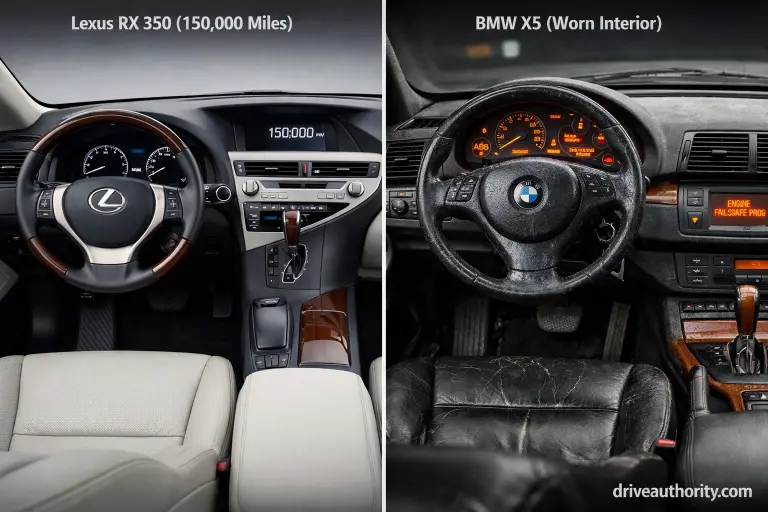
These benefits separate the best reliable luxury cars from vehicles designed for three-year lease cycles. A Lexus RX owner at 120,000 miles experiences the same peace of mind as at 30,000 miles. A BMW X5 owner at the same mileage calculates the cost of every warning light that illuminates the dashboard.
When “Cheap” Luxury Is Smart—and When It’s a Trap
Cheap luxury is smart when you’re buying proven reliability at a discount among the best reliable luxury cars. A three-year-old Lexus RX at 45% off original price represents fantastic value because you’re buying a vehicle that will serve you faithfully for another decade. That depreciation is a subsidy, not a warning sign. The same principle applies to Genesis, Acura, and other dependable luxury vehicles with proven track records.
Cheap luxury is a trap when you’re buying someone else’s deferred maintenance and repair costs. A five-year-old German luxury SUV at 60% off original price isn’t a bargain—it’s a financial obligation. The previous owner escaped before the expensive failures arrived. Now they’re your problem, and the savings evaporate with the first major repair bill.
The difference between these scenarios isn’t price—it’s engineering philosophy among reliable luxury cars. Brands that design for long-term ownership create vehicles that remain satisfying and affordable to maintain for years. Brands that design for three-year cycles create vehicles that become liabilities once the warranty expires.
The Luxury Brands That Respect Long-Term Owners
Lexus stands alone at the top for combining genuine luxury with uncompromising reliability, consistently ranking as the best reliable luxury car brand. The brand could chase performance and cutting-edge tech, but instead prioritizes refinement and durability. This philosophy means Lexus rarely wins comparison tests against sportier German rivals, yet dominates owner satisfaction surveys and long-term reliability rankings. Lexus respects owners who keep vehicles 10-15 years by ensuring those vehicles remain satisfying throughout their lifespan.
Acura delivers Honda engineering with luxury features, creating vehicles that blend reliability with genuine capability. The brand lacks Lexus refinement and Genesis style, but matches Lexus for mechanical durability while offering more engaging driving dynamics among reliable luxury cars. Acura appeals to pragmatic buyers who understand that luxury should enhance life, not complicate it.
Genesis represents the newest entry in the best reliable luxury cars category, offering impressive vehicles with comprehensive warranties that de-risk ownership. While we don’t have 15 years of data yet, Hyundai’s engineering improvements and commitment to quality suggest Genesis will age well. The warranty coverage provides insurance during the critical early years while the brand establishes its long-term reputation among dependable luxury vehicles.
Final Takeaway: Buy the Car That Survives Your Life, Not Your Ego
The best reliable luxury cars will never be the ones that generate the most excitement at launch or win the most performance comparisons. They won’t offer the latest technology or the most aggressive styling. These aren’t cars that enhance your status or impress people who don’t know better.
These are the dependable luxury vehicles that start reliably on freezing mornings ten years after purchase. The ones that carry your growing family through 150,000 miles without drama. The vehicles that feel like wise investments rather than financial mistakes. The luxury cars you recommend to friends without hesitation because you know they’ll deliver satisfaction instead of regret.
In a market obsessed with status and performance, choosing the best reliable luxury cars requires confidence. You’re prioritizing substance over perception, longevity over excitement, ownership sanity over lease-cycle theatrics. But ten years and 120,000 miles later, when your Lexus still drives like it’s three years old while your neighbor is shopping for their third German SUV to replace the ones that became too expensive to maintain, you’ll understand that reliability was the luxury all along.
The best reliable luxury cars don’t just survive long-term ownership—they make it genuinely enjoyable. That’s a rare achievement in the modern automotive market, and it’s exactly what smart buyers should demand. Whether you choose a Lexus for proven longevity, a Genesis for warranty protection, or an Acura for Honda dependability, you’re joining a select group of owners who understand that the most luxurious feeling isn’t what people think when you pull up—it’s what you feel when the car starts every morning without worry, drives without complaint, and serves without drama year after year.