A proper home EV charging setup requires a 240V Level 2 charger ($500-$800 for the unit), professional electrical installation ($300-$1,200), and a dedicated 40-50 amp circuit from your breaker panel. Most installations cost $800-$2,000 total and take 2-4 hours to complete, delivering 25-30 miles of range per hour—enough to fully charge any EV overnight. This guide is for homeowners planning to buy an EV who need to understand installation requirements and costs upfront—not renters or apartment dwellers without electrical access.
If you don’t own your parking space or can’t modify electrical systems, this won’t solve your charging problem.
What Level 2 Charger You Actually Need for Home EV Charging Setup
Skip the $1,200+ “smart” chargers with unnecessary features. You need a basic hardwired Level 2 EVSE (Electric Vehicle Supply Equipment) rated for 40-48 amps, which delivers 9.6-11.5 kW of power.
Here’s why this matters: a 40-amp charger adds about 30 miles of range per hour to most EVs. If you drive 50 miles daily, you’ll fully replenish overnight in under 2 hours of actual charging time. A 48-amp unit is slightly faster but rarely necessary unless you’re driving 100+ miles daily.
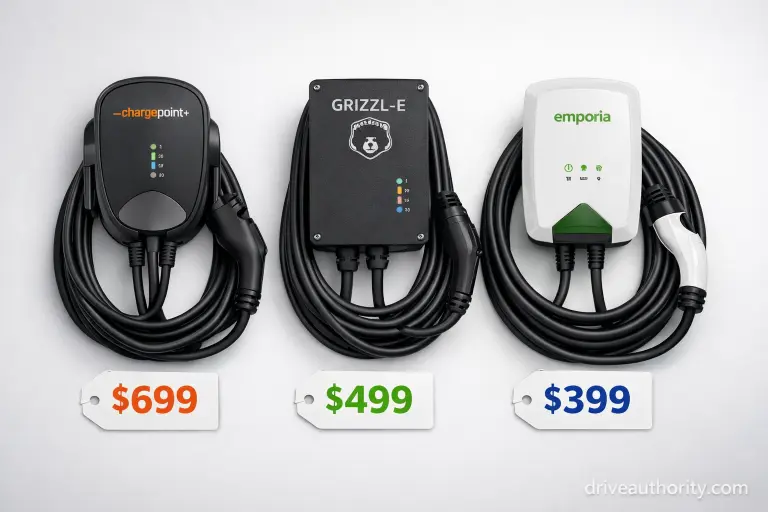
Popular reliable options include:
- ChargePoint Home Flex ($699, 50 amps max, adjustable output)
- Grizzl-E Classic ($399, 40 amps, basic but bulletproof)
- Emporia Level 2 ($429, 48 amps, energy monitoring included)
Avoid these mistakes I’ve seen repeatedly:
Don’t buy a portable 120V “Level 1” charger as your primary solution. These add only 3-5 miles per hour—insufficient for daily EV use. They’re emergency backups, nothing more.
Don’t overspend on app connectivity you won’t use. Features like scheduling and remote start are already built into your EV. The car manages when to charge based on your utility’s time-of-use rates. The charger just needs to deliver power reliably.
Hardwired beats plug-in for permanent installations. Hardwired units connect directly to your electrical system without a plug, eliminating a potential failure point. They’re also easier to weatherproof for outdoor installations.
Your EV’s onboard charger limits actual charging speed, regardless of your EVSE’s capability. A Chevy Bolt maxes out at 7.2 kW (32 amps), so a 48-amp charger won’t charge it faster than a 32-amp unit. Check your specific EV’s maximum AC charging rate before buying.
The Electrical Installation Reality for Home EV Charging Setup
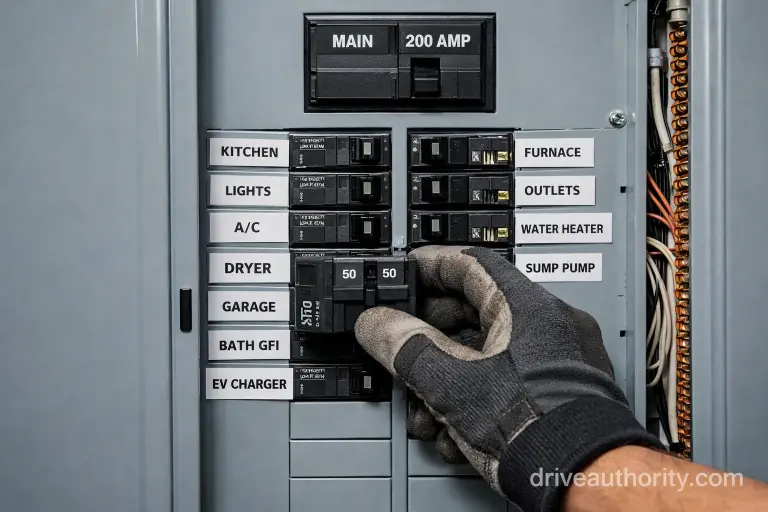
This is where costs vary wildly and surprise most buyers. The $300-$1,200 installation range depends entirely on your home’s electrical situation.
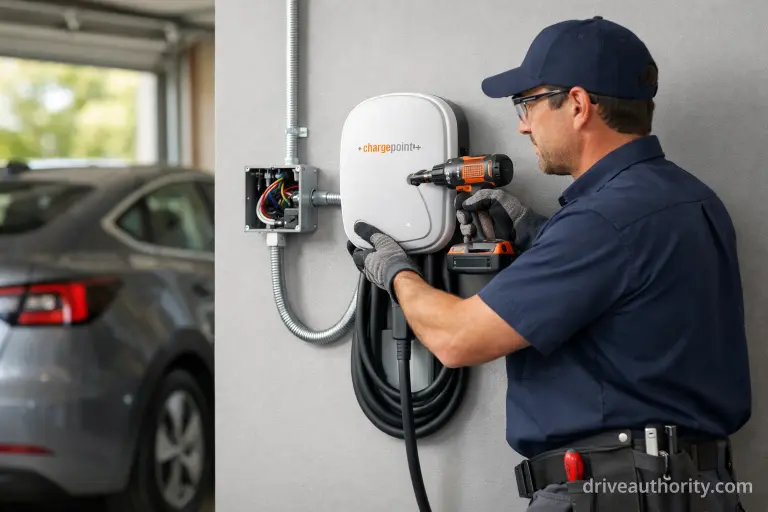
Best case ($300-$500): Your breaker panel is in the garage with available capacity, and you’re installing the charger within 25 feet of the panel. A licensed electrician runs a dedicated 240V circuit, installs a junction box, mounts your charger, and you’re done in 3-4 hours.
Average case ($600-$900): Panel is 50-75 feet from your garage, requiring more wire and conduit. Maybe you need a small service panel upgrade from 100 to 200 amps because your existing panel is maxed out. Add trenching if the charger goes on an exterior wall away from the panel location.
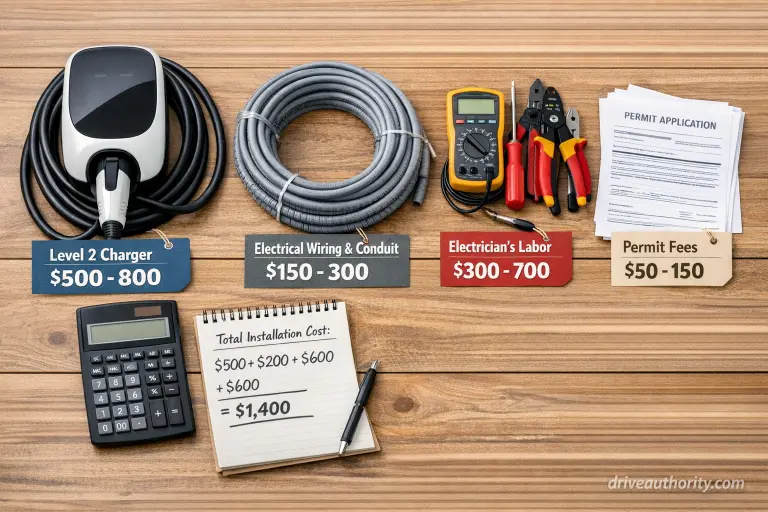
Worst case ($1,200-$2,500+): Your home has an older 100-amp service that needs upgrading to 200 amps to support EV charging plus your existing electrical load. This requires utility company involvement, permits, and potentially a new meter base. Or your garage is detached, requiring underground conduit runs across your property.
Real example: my neighbor paid $2,100 for installation because his 1960s home needed a full panel upgrade from 100 to 200 amps. The charger unit cost $450, but the electrical work dominated the total cost.
Get three quotes from licensed electricians before buying your EV. Specify that you need a dedicated 240V/50-amp circuit for EV charging. Ask if your current panel can support the additional load or if an upgrade is required.
Check for utility rebates—many power companies offer $200-$500 rebates for Level 2 charger installation or discounted off-peak electricity rates for EV charging. According to the Alternative Fuels Data Center, most states offer some form of EVSE installation incentive.
Permits, Codes, and Installation Requirements
Most jurisdictions require electrical permits for 240V circuit installation. Your electrician typically handles this, but it adds $50-$150 to costs and 1-2 weeks to your timeline while waiting for inspection.
The charger must be NEMA 3R rated (weather-resistant) for outdoor installation. Indoor garage installations have more flexibility, but I still recommend weather-resistant units in case you move the charger later.
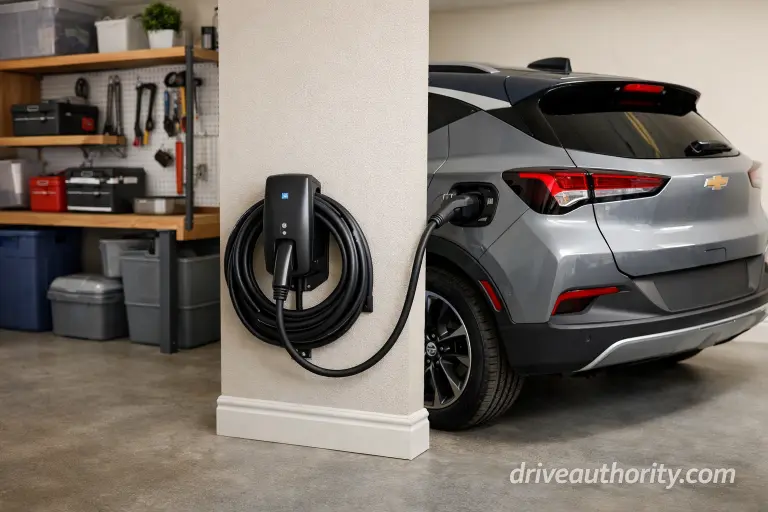
Mounting location matters more than most people realize. Install the charger on the driver’s side of where you’ll park, positioned so the charge port is within 3-5 feet of the unit. EV charging cables are typically 18-25 feet long, but shorter is better—you don’t want cable draped across your garage or driveway.
Ground clearance requirements vary by jurisdiction, but generally mount the unit 18-48 inches off the ground. Higher is better for accessibility and preventing snow/water accumulation at the base.
If you have a detached garage, installation becomes significantly more complex and expensive. You’ll need underground conduit running from your main panel to the garage, which requires trenching, potentially concrete cutting, and restoration work. Budget $1,500-$3,500 for detached garage installations.
For HOA properties, check covenants before starting work. Most states have “right to charge” laws preventing HOAs from blocking EV charger installation, but you may face aesthetic requirements like color matching or specific mounting locations.
Your Home EV Charging Setup Action Plan
Before buying an EV, take these steps to nail down your actual installation cost:
- Verify electrical capacity: Find your main breaker panel and check the main breaker amperage (typically labeled 100A, 150A, or 200A)
- Measure distance: How many feet from your panel to your desired charger location?
- Get quotes: Contact 3 licensed electricians with your amperage, distance, and desired charger specs
- Check incentives: Search your utility company’s website for EV charging rebates
- Factor total cost: Add charger unit ($400-$700) + installation quote + permit fees
For detailed charging cost comparisons and electrical planning resources, visit our complete EV ownership guide before finalizing your purchase.
The Bottom Line on EV Charging Setup
A home EV charging setup costs $800-$2,000 for most homeowners and delivers the convenience that makes EV ownership practical. The upfront investment pays back within 2-3 years through avoided public charging fees and time savings.
Your next step: get real installation quotes before committing to an EV purchase. If your installation would exceed $2,500 due to panel upgrades or detached garage runs, factor that into your total EV ownership cost. Without reliable home charging, EVs lose most of their practical and financial advantages.