You’ve seen the headlines. Chinese electric vehicles dominating global markets with cutting-edge technology at half the price of American EVs. BYD outselling Tesla worldwide. Sleek designs, impressive range, and features that make even luxury brands look dated. Naturally, you’re wondering: is it legal to own a Chinese car in the US, and what does ownership actually involve?
The question of whether you can legally own a Chinese car in the US comes up more frequently as Chinese automakers gain international prominence. Perhaps you’re an early adopter excited about affordable EV options. Maybe you’re simply curious about why these vehicles seem conspicuously absent from American roads. Or perhaps you’ve heard conflicting information about bans, tariffs, and regulatory barriers.
Here’s what you need to know: yes, it is legal to own a Chinese car in the US. However, the path to ownership involves navigating complex regulations and practical challenges. These have little to do with legality and everything to do with feasibility. In this comprehensive guide, you’ll discover the complete picture. You’ll learn about the laws that govern vehicle ownership and why Chinese cars remain rare on American streets. You’ll also understand what the future might hold and what your realistic options are right now.
The Legal Status of Owning a Chinese Car in the US
Let’s cut through the confusion immediately: there is no federal law that prohibits Americans from owning a Chinese car. If you currently own a vehicle manufactured in China, you’re completely within your rights. This assumes it’s been legally imported and meets US safety and emissions standards. You can drive it, register it, and maintain it just like any other vehicle.
The legality question becomes more nuanced when we distinguish between different scenarios. Specifically, owning a Chinese car already in the United States differs from importing one yourself. Ownership itself has never been illegal. The complications arise around importation requirements, regulatory compliance, and political concerns. These increasingly involve technology and data security issues.
Moreover, the confusion often stems from mixing up different issues. These include proposed restrictions on certain technologies and tariffs that make imports expensive. There’s also the simple absence of Chinese brands from the US market. These barriers affect access to Chinese vehicles, not the legality of ownership itself. However, as we’ll explore, the landscape is shifting. What’s true today may evolve significantly in the coming years.
If you’re considering any imported vehicle, you might also want to understand the broader regulations for bringing foreign cars into America.
Chinese Car Brands and Their US Presence
To understand whether you can own a Chinese car in the US, it helps to know which Chinese vehicles actually exist here. The answer might surprise you.
Which Chinese Cars Are Currently Available in the US?
Polestar represents the most visible Chinese connection on American roads. Owned by Geely (a major Chinese automotive conglomerate) and Volvo, Polestar designs Swedish-inspired electric vehicles. These are partially manufactured in China. The Polestar 2 sedan and Polestar 3 SUV are available through US dealerships. Both meet all federal compliance standards.
Volvo itself maintains its Swedish identity and heritage. However, it has been owned by Chinese company Geely since 2010. Many Volvo models sold in the US are manufactured in China. Others come from European or American plants. When you buy certain Volvo vehicles, you’re already owning a Chinese car in the US. You just might not realize it.
Lotus, the iconic British sports car manufacturer, is also under Geely ownership. The upcoming Lotus Eletre electric SUV is manufactured in China. It’s expected to reach US customers, representing another Chinese-built vehicle entering the American market.
On the other hand, the Chinese brands generating the most international buzz remain largely absent. BYD, NIO, XPeng, and Li Auto don’t serve the US consumer market. BYD does operate in America, but only in the commercial space. They provide electric buses and trucks, not passenger vehicles. These companies have made strategic decisions to focus on other markets. In those regions, regulatory barriers are lower and political tensions less pronounced.
Why Chinese Vehicles Remain Rare on American Roads
Several powerful forces conspire to keep Chinese vehicles rare in America, despite their global success.
Tariffs create enormous price barriers. The US imposes a 25% tariff on imported Chinese vehicles. This instantly eliminates the price advantage that makes these cars attractive elsewhere. A vehicle that costs $30,000 in Europe suddenly becomes $37,500 before any other import costs.
Regulatory compliance represents a massive investment. Every vehicle sold in the US must meet stringent standards. These include Federal Motor Vehicle Safety Standards (FMVSS), EPA emissions requirements, and crash test certifications. For a Chinese manufacturer, investing millions to redesign vehicles doesn’t make business sense. This is especially true for a potentially hostile market. Meanwhile, Europe, Southeast Asia, and Latin America welcome them eagerly.
Dealer networks don’t exist. Even if a Chinese company cleared all regulatory hurdles, they’d need infrastructure. This includes dealerships, service centers, and parts distribution networks across a vast country. This infrastructure takes years and billions of dollars to build.
Political headwinds are intensifying. Growing US-China tensions have manifested in legislative proposals. These aim to restrict Chinese vehicle technologies, particularly regarding data collection and connectivity. They also target autonomous driving systems. This uncertain regulatory future makes Chinese automakers hesitant. They don’t want to commit resources to the US market.
Therefore, the scarcity of Chinese cars in America has little to do with consumer demand or product quality. Instead, it’s about economic and political realities. These make market entry extraordinarily challenging.
Federal Laws Governing Chinese Car Ownership in the US
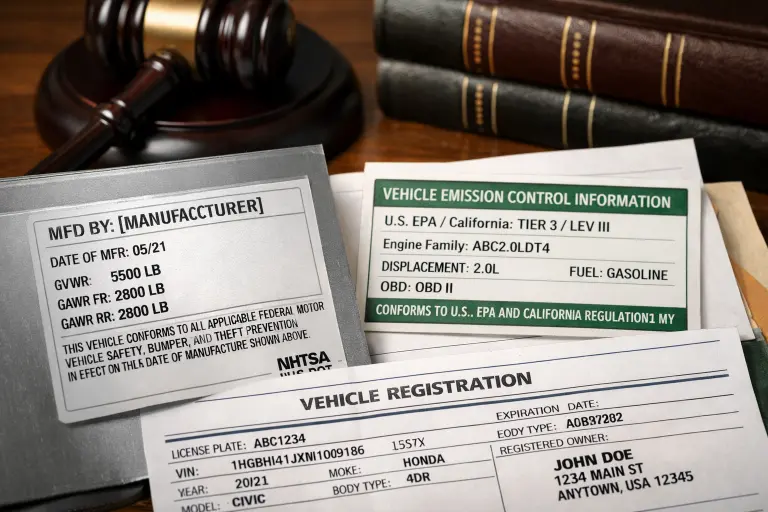
Understanding the legal framework requires separating federal vehicle regulations from country-of-origin restrictions. The US government regulates what standards vehicles must meet. It doesn’t necessarily regulate where they’re manufactured.
Three Key Federal Agencies
Three federal agencies oversee different aspects of vehicle compliance. Their standards apply to all vehicles regardless of origin.
The Department of Transportation (DOT) establishes safety standards through NHTSA. Every vehicle must display a certification label confirming FMVSS compliance. These standards cover crash protection, seatbelts, lighting systems, and brake performance.
The Environmental Protection Agency (EPA) regulates emissions and fuel economy. All vehicles must meet EPA certification requirements. They must also display an EPA emissions label. For electric vehicles, this process is generally simpler but still mandatory.
The NHTSA also manages the importation process. It maintains lists of vehicles eligible for import. It also tracks registered importers authorized to modify non-compliant vehicles.
Importantly, none of these regulations specifically target Chinese vehicles. A car manufactured in China that meets all federal standards is just as legal as one built elsewhere. The challenge is that most Chinese vehicles weren’t designed with US standards in mind. This makes compliance expensive and time-consuming.
Ownership vs. Importation: Understanding the Difference
This distinction is crucial to understanding when it’s legal to own a Chinese car in the US.
Owning a Chinese car already legally present in the United States carries no special restrictions whatsoever. If someone imported a compliant vehicle and registered it, you’re fine. Later, they sold it to you. You face the same requirements as owning any used car. These include state registration, insurance, and safety inspections where required. The vehicle’s country of origin becomes irrelevant once it’s legally entered the US market.
Importing a new Chinese car yourself presents significant hurdles.
You must prove the vehicle meets all FMVSS requirements. This typically means working with a Registered Importer. This is a business certified by NHTSA to modify non-compliant vehicles. This process can cost $10,000 to $30,000 or more. The price depends on required modifications.
Alternatively, vehicles 25 years or older qualify for an exemption. They don’t need FMVSS compliance (though still subject to EPA emissions standards). This “25-year rule” allows importation of classic or collectible vehicles. It applies regardless of original compliance. However, few Chinese cars meet this age requirement yet.
You’ll also need to navigate customs and pay the 25% tariff. You must arrange shipping and handle state registration. It’s a complex, expensive process. This explains why individual imports remain rare.
For more detailed information on vehicle importation requirements, check out the official NHTSA importation guidelines.
Recent Legislative Concerns About Chinese Vehicles
While ownership remains legal, new proposals have emerged. These target Chinese vehicle technology specifically.
In 2024, the Biden administration initiated a national security review. This focused on Chinese-connected vehicles, examining data collection capabilities and software vulnerabilities. It also looked at potential surveillance concerns. Proposed regulations could restrict or ban certain Chinese automotive technologies. These particularly affect connectivity, autonomous driving, and over-the-air updates.
However, these proposals target specific technologies and new sales, not existing ownership. Even if future legislation banned new Chinese vehicles with certain connectivity features, it wouldn’t be retroactive. It wouldn’t make current ownership illegal. You wouldn’t be forced to surrender a vehicle you already own.
The situation remains fluid. Proposed restrictions are still under review. They’re subject to industry feedback, diplomatic negotiations, and political changes. Nevertheless, the trajectory suggests increasing scrutiny. This particularly affects Chinese automotive technology regarding data security and cybersecurity risks.
State-Level Requirements for Owning a Chinese Car in the US
Federal regulations establish baseline requirements. However, states add their own layers of complexity. These can impact your experience owning a Chinese car in the US.
Registration and Title Requirements
Every state maintains its own vehicle registration system with varying requirements. Generally, if a vehicle was legally imported federally, states will register it. However, some considerations arise.
Emissions testing exists in states like California, New York, and Colorado. These require vehicles to meet state standards that sometimes exceed federal requirements. California’s particularly strict emissions regulations have historically driven national standards. However, they also mean vehicles sold there must receive separate certification. This comes from CARB (California Air Resources Board), separate from EPA approval.
Safety inspections occur in states like Virginia, Pennsylvania, and Texas. These examine vehicle condition annually. If your Chinese car needs specialized parts or repairs to pass inspection, you may face challenges. You could experience delays or higher costs finding qualified mechanics.
VIN verification requirements vary by state. However, all require proper Vehicle Identification Numbers. These must match federal databases. Vehicles imported through official channels will have proper documentation. Grey-market imports without proper paperwork face registration denial.
On the other hand, some states present fewer obstacles. Those without emissions testing or annual inspections (like Montana, South Dakota, or Florida) are easier. You still must prove legal federal importation and provide appropriate documentation.
Insurance Challenges for Chinese Vehicles
While legally owning a Chinese car in the US creates no insurance prohibitions, practical challenges emerge.
Insurance companies assess risk based on historical data. They look at accident rates, theft frequency, and repair costs. For uncommon Chinese vehicles, insurers lack this data. This leads to conservative underwriting. Some insurers may decline coverage entirely. They can’t properly evaluate makes and models they don’t know.
Moreover, vehicles without established parts availability networks face higher premiums. Comprehensive coverage costs more. If your insurer expects a simple fender replacement to take months, they’ll adjust pricing. If they expect it to cost triple normal amounts due to import delays, they’ll price that risk into your premium.
Finding specialized insurers often proves necessary. You’ll need those who cover unusual or imported vehicles. However, coverage typically costs more than for mainstream vehicles. Companies that serve classic car collectors understand these markets better. They’re more experienced than standard insurers with imported vehicle enthusiasts.
Real-World Realities of Owning a Chinese Car in the US
Legal permission to own something and practical reality of ownership often diverge significantly. Here’s what actual Chinese car ownership in America entails.
The Biggest Challenges You’ll Face
Parts and service availability represents the primary nightmare scenario. When something breaks — and all vehicles eventually require repairs — you’ll discover several problems.
- No dealer network means no obvious place to take the vehicle for service
- Independent mechanics lack training on Chinese vehicle systems and diagnostic software
- Replacement parts must be imported, often taking weeks or months to arrive
- Costs escalate dramatically when parts require international shipping
A repair that might cost $500 on a Toyota could easily run $2,000 or more on an obscure Chinese vehicle. It could also take six times longer to complete.
Resale Value Reality
Resale value presents another sobering reality. When you eventually want to sell, you’ll find challenges.
- Tiny buyer pool of people willing to take on an uncommon vehicle
- Unknown depreciation curves since no established market history exists
- Difficulty financing for potential buyers, as many lenders won’t finance unusual makes
- Lower trade-in values from dealers who can’t easily resell specialty vehicles
Technology and Connectivity Issues
Furthermore, software and connectivity limitations affect modern vehicles. Many depend heavily on apps, over-the-air updates, and cloud services.
- Chinese apps may not function properly on US networks
- Software updates might not be available in your region
- Customer service operates on Chinese time zones with potential language barriers
- Integration with American services may be limited or absent
These include Google Maps, Apple CarPlay, and Amazon Alexa. These aren’t hypothetical concerns. They represent the daily reality for owners of any uncommon imported vehicle. The challenges are magnified by the geographic and political distance between the US and China.
Why Some People Still Want to Own Chinese Cars
Despite the challenges, legitimate reasons exist for wanting to own a Chinese car in the US.
Price advantages in global markets are substantial. Chinese EVs often offer similar range and features as American EVs. However, they cost 30-50% less. While tariffs eliminate much of this advantage for US buyers, the value proposition remains compelling. This is true if barriers decrease.
Advanced EV technology is another draw. Chinese manufacturers excel particularly in battery chemistry and range. This has positioned them as global leaders. BYD’s Blade Battery technology and CATL’s battery innovations often appear in Chinese vehicles first. For EV enthusiasts, accessing cutting-edge technology provides strong motivation.
Innovative features also attract buyers. These include advanced driver assistance and elaborate interior displays. They also offer sophisticated autonomous driving capabilities. These often debut in Chinese vehicles before appearing elsewhere. Companies like NIO offer battery swapping technology unavailable in the US market.
Environmental benefits matter to buyers prioritizing sustainability. Chinese EVs with excellent efficiency ratings enable cleaner transportation. They offer long ranges, particularly if your electricity comes from renewable sources.
Additionally, some people simply enjoy being early adopters. They like owning unusual vehicles that stand out. The rarity itself holds appeal for certain enthusiasts.
The Future of Chinese Car Ownership in the US
The trajectory for Chinese vehicles in America remains genuinely uncertain. Forces are pulling in opposite directions.
Factors That Could Increase Availability
Several developments might open the US market to Chinese vehicles.
Domestic manufacturing represents the most likely path forward. If Chinese companies build factories on US soil, vehicles would avoid import tariffs. Many foreign automakers have already done this. These vehicles would qualify as “American-made” for certain purposes. They would also reduce political concerns. Polestar has already announced plans for US manufacturing. Other Chinese brands could follow this playbook.
Joint ventures with US companies could provide another avenue. Partnerships with established American manufacturers would ease regulatory navigation. They would provide instant dealer networks and reduce political friction. Such arrangements have worked in China for Western companies. They could work in reverse.
Growing consumer demand for affordable EVs creates market pressure. American consumers are recognizing the price gap between domestic and Chinese electric vehicles. Political pressure may build to allow more competition. This is especially true if EV adoption goals require lower prices to achieve mass adoption.
Technology transfers and licensing might allow Chinese innovations to reach American markets. These could come through non-Chinese brands. This provides benefits without direct Chinese vehicle sales.
Factors That Could Create More Restrictions
Conversely, several trends point toward greater barriers to owning Chinese cars in the US.
Escalating US-China tensions could easily spillover into automotive restrictions. These span trade, technology, and geopolitics. Vehicles increasingly function as connected computers on wheels. This makes them potential vectors for data collection, surveillance, or cyberattacks. These are legitimate national security concerns. They transcend protectionism.
Cybersecurity and data privacy legislation targeting Chinese technology has already restricted companies. These include Huawei and TikTok. Vehicles collect enormous amounts of data. They track locations, driving patterns, and personal information. This makes them obvious targets for similar restrictions.
Political pressure and protectionism could manifest in new barriers. These could come from domestic automakers, unions, and politicians. They might extend beyond current tariffs. American automotive jobs are politically sensitive. This is especially true in key electoral states. Policies favoring domestic manufacturers over Chinese competitors seem likely. This appears true regardless of administration.
Domestic auto industry lobbying provides powerful opposition to Chinese vehicle entry. American manufacturers and dealership associations have significant political influence. They have clear motivation to keep lower-priced competitors out of the market.
What Experts Are Saying
Automotive analysts present mixed predictions. According to industry observers, Chinese manufacturers will likely enter the US market eventually. However, they’ll probably do so through manufacturing operations rather than direct imports. These could be in Mexico (leveraging USMCA trade agreement benefits) or the US itself. This approach worked for Japanese, Korean, and European manufacturers. They now build millions of vehicles annually in North America.
The timeline remains uncertain. Some experts suggest Chinese passenger vehicles could arrive within 3-5 years. They’d use these indirect channels. Others believe political barriers will persist for a decade or more. This is particularly true for brands seen as closely connected to the Chinese government.
What seems clear is that pure importation from China faces increasingly difficult prospects. Meanwhile, manufacturing-based strategies offer more viable paths forward.
Chinese-Influenced Options Already Available in the US
If you’re attracted to Chinese automotive innovation but want something practical, several options exist. You can purchase and service these today.
Polestar: The Most Accessible Option
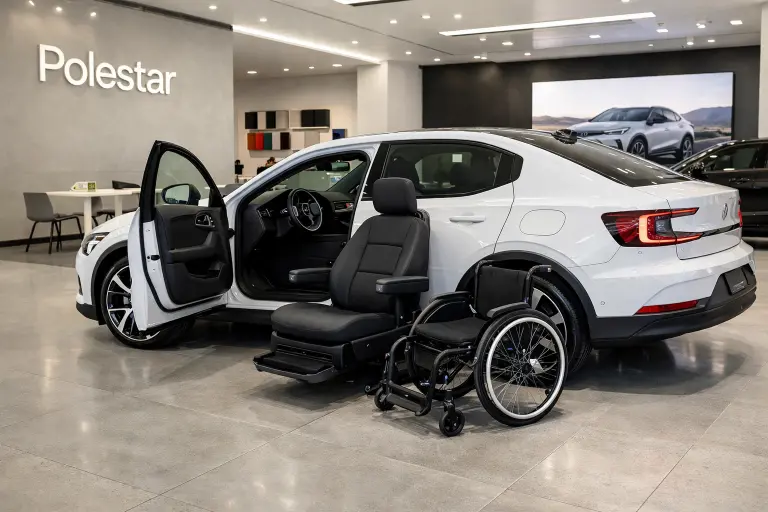
Polestar vehicles offer the most direct experience of Chinese manufacturing and design philosophy. The Polestar 2 sedan delivers excellent EV performance. It features Scandinavian design aesthetics. The Polestar 3 SUV expands the lineup with luxury features and impressive range. Both come with full dealer networks, warranties, and service support. They’re marketed as mainstream brands despite Chinese manufacturing.
Other Chinese-Connected Brands
Volvo models provide another avenue. This is particularly true for vehicles manufactured in China and imported to the US. Many Volvo SUVs and sedans combine Swedish engineering traditions with Chinese manufacturing efficiency. They offer quality vehicles with established dealer support nationwide.
Lincoln Nautilus, manufactured in China and exported to the US, represents an American brand built offshore. However, domestic manufacturing is planned to return soon.
Future models from established brands will increasingly involve Chinese partnerships. This includes technology or manufacturing. General Motors, Ford, and others maintain extensive Chinese operations. These partnerships influence their global products.
Alternative Electric Vehicles
Non-Chinese EVs that offer similar benefits include Tesla’s lower-priced models. Hyundai and Kia have expanding EV lineups. Upcoming affordable options from Volkswagen and others are also available. While not Chinese, these vehicles provide the affordability and technology that make Chinese EVs attractive.
The practical approach for most consumers is choosing vehicles from established brands. Look for those with Chinese connections. This is better than taking on the challenges of pure Chinese brand ownership.
Common Questions About Owning Chinese Cars in the US
Can I Buy a Chinese Car Directly from China?
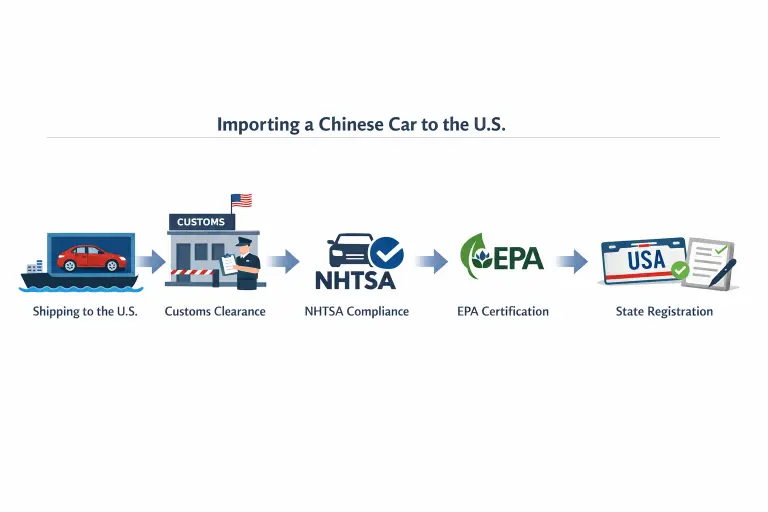
Technically, yes — nothing prevents you from purchasing a vehicle in China. You can arrange importation to the United States. However, this path proves extraordinarily impractical for passenger vehicles.
First, you’d need to navigate Chinese export procedures. International shipping would cost typically $2,000-$5,000. The 25% tariff would add substantial expense on top of that. Proving FMVSS and EPA compliance (or hiring a Registered Importer) represents another hurdle. Customs clearance and state registration add further complexity. The total cost would likely exceed purchasing a comparable vehicle domestically. This is even before considering warranty and service complications.
Additionally, most Chinese manufacturers won’t honor warranties outside their intended market. This leaves you without recourse for defects or problems. Better alternatives exist for nearly every situation where someone considers direct Chinese importation.
Are Chinese Cars Safe?
This question deserves a nuanced answer. Chinese vehicles perform increasingly well in international safety testing. This is particularly true in Euro NCAP evaluations. Many Chinese EVs achieve five-star ratings there. Manufacturing quality has improved dramatically over the past decade. Chinese companies invested heavily in engineering and quality control.
However, vehicles sold in China may not meet FMVSS requirements. These differ from European or Chinese standards. To legally sell in the US, Chinese manufacturers would need specific engineering. They’d need expensive crash testing and NHTSA approval. Until they do this, we can’t definitively compare Chinese vehicle safety to US-market vehicles.
Volvo and Polestar vehicles demonstrate important facts. They’re built in China but engineered for Western markets. This shows that Chinese manufacturing can produce vehicles meeting the highest safety standards. The question isn’t whether China can build safe cars — they clearly can. The question is whether specific models meet US regulatory requirements.
Will the US Ban Chinese Cars?
The situation remains fluid. However, understanding what’s actually being proposed helps clarify realistic scenarios.
Current political climate includes proposals to restrict Chinese vehicle technologies. These particularly target data collection, connectivity, and autonomous systems. These proposals target specific technologies, not vehicles themselves or ownership rights.
New sales restrictions differ fundamentally from ownership bans. Even worst-case scenarios typically involve preventing new Chinese vehicles from entering the market. They don’t involve confiscating or prohibiting ownership of existing vehicles. Historical precedents support this. When the US restricted other products for various reasons, existing ownership remained legal.
What’s actually being proposed focuses on national security reviews. It includes potential software restrictions and heightened scrutiny of Chinese automotive investments. These could make selling new Chinese vehicles difficult or impossible. However, they wouldn’t make current ownership illegal.
The likelihood of a complete ban on owning Chinese cars in the US remains extremely low. It would raise constitutional questions about property rights. It would set unprecedented precedents. Restrictions on future sales seem more plausible. However, even these face legal and practical challenges.
How Much Do Chinese Cars Cost in the US vs. China?
Direct price comparisons prove misleading. Different vehicles are available in different markets. However, general patterns exist.
In China, competitive electric vehicles typically range from $15,000 to $50,000. These come from BYD, NIO, or XPeng. Prices vary depending on model and features. These prices reflect domestic manufacturing, government subsidies, and intense competition.
If these same vehicles were exported to the US, you’d add several costs:
- 25% tariff (roughly $4,000-$12,000 depending on base price)
- Shipping and logistics ($2,000-$5,000)
- Compliance modifications (potentially $10,000-$30,000 if required)
- Dealer markup and profit margins (typically 10-20%)
A $25,000 Chinese EV could easily become $45,000-$50,000 in the US market. This would happen through official channels. Much of the price advantage that makes these vehicles attractive globally would be erased.
This explains why Chinese manufacturers haven’t aggressively pursued the US market. Their competitive advantage largely disappears under current tariff structures.
Can I Register a Chinese Car Brought from Another Country?
If you’ve purchased or inherited a Chinese vehicle from Canada, Mexico, or elsewhere, registration depends on compliance status.
Vehicles 25 years or older qualify for exemption from FMVSS requirements. They’re still subject to EPA emissions standards. If the vehicle meets this age threshold, importation and registration become significantly easier. You’ll still need proper customs documentation.
Newer vehicles require proof of FMVSS compliance. If the vehicle was never certified for the US market, you’d need help. Working with a Registered Importer becomes necessary. They’d make necessary modifications, document compliance, and obtain appropriate certifications. Only then will any state register it.
State-specific requirements vary. However, all states require proof of legal federal importation first. Some states conduct additional inspections. These include VIN inspections, emissions testing, or safety inspections beyond federal requirements.
Simply having a vehicle physically present in the US doesn’t make it registrable. The compliance documentation trail matters more than physical possession. Consequently, vehicles imported through official channels with proper paperwork register relatively easily. Grey-market imports without documentation face significant obstacles or outright rejection.
The Bottom Line on Owning a Chinese Car in the US
So, is it legal to own a Chinese car in the US? Absolutely. No federal or state law prohibits ownership of a Chinese vehicle. This applies if it meets appropriate safety and emissions standards. If you can legally acquire one and it’s properly registered, you’re completely within your rights. You can own and operate it.
However, legality and practicality diverge significantly in this case. While owning a Chinese car in the US isn’t illegal, substantial barriers exist. These include high tariffs, regulatory compliance requirements, and absent dealer networks. There’s also increasing political scrutiny. These create substantial barriers to actually obtaining and maintaining a Chinese vehicle in America. The few Chinese cars present in the US market exist for specific reasons. These primarily include Polestar, some Volvo models, and limited others. Their manufacturers invested heavily to meet American requirements. They established proper infrastructure.
Looking forward, the landscape will likely evolve in complex ways. Chinese automotive technology and manufacturing capabilities continue advancing rapidly. This potentially makes these vehicles too compelling for the US market to ignore indefinitely. Yet political and security concerns may simultaneously create new restrictions. These particularly affect connectivity and data collection. The most likely path involves Chinese manufacturers establishing North American manufacturing operations. This follows the proven strategy of other foreign automakers.
Your Practical Options Today
For now, your practical options include several choices. You can choose Chinese-owned brands with US compliance and infrastructure. Polestar and Volvo fit this category. You can wait to see which Chinese manufacturers successfully enter the American market. Or you can simply appreciate that some innovation will filter into other vehicles. Technology and innovation from Chinese automotive advances appear in vehicles from established brands available today.
The question “is it legal to own a Chinese car in the US?” has a simple answer — yes. But the question “should I try to own a Chinese car in the US?” requires weighing factors. Consider your tolerance for complexity, limited support, and uncertain resale value. Balance this against your desire for innovation and value. For most American consumers right now, better alternatives exist. This remains true until Chinese manufacturers clear the considerable hurdles to proper US market entry.
Stay informed as this situation evolves. The global automotive landscape is changing rapidly. Chinese manufacturers play an increasingly central role. Whether those changes reach American driveways depends on factors beyond individual consumer choice. These include trade policy, regulatory decisions, and political dynamics. Strategic business choices will unfold over the coming years. Understanding the legal framework helps you make informed decisions as opportunities arise. This might mean purchasing a Polestar today. It might mean waiting to see which Chinese brands successfully navigate the path to the American market. Either way, you’ll be prepared to own a Chinese car in the US when the right opportunity presents itself.