Fast Answer — 2026
- Cheapest overall: Chery QQ Ice Cream Pro — from ~$7,700
- Best value (range + safety): BYD Seagull 38.9 kWh — from ~$10,150
- Best highway-capable budget EV: Leapmotor T03 — from ~$10,970
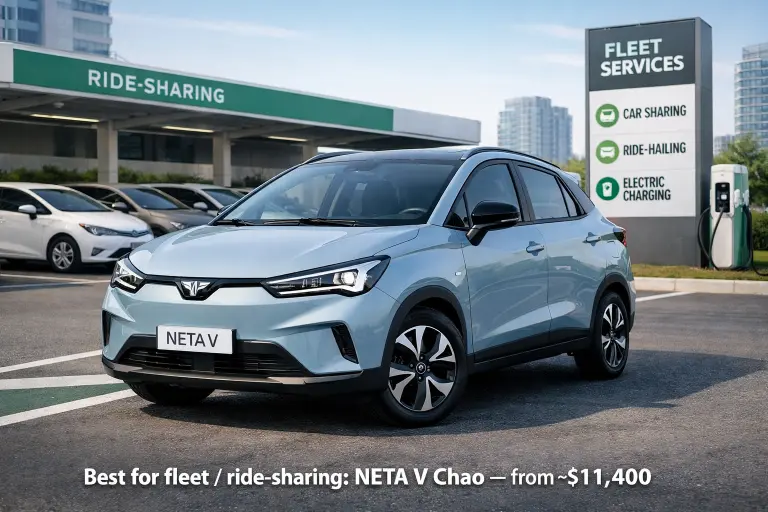
- Best for fleet / ride-sharing: NETA V Chao — from ~$11,400
In 2026, the lowest priced electric vehicle in China is the Chery QQ Ice Cream Pro at around $7,700. However, the best overall value under $11,000 is the BYD Seagull 38.9 kWh — due to its range, 5-star safety rating, and LFP battery durability.
2026 China EV Price Floor Snapshot
- Under $8,000 — Micro EV only (city use, limited range, no DC fast charge on base trim)
- Under $11,000 — Compact EV with DC fast charging and 300+ km real-world range
- Under $15,000 — Full mixed-use capability, highway-ready, stronger safety ratings
What Is the Cheapest EV Car in China in 2026?
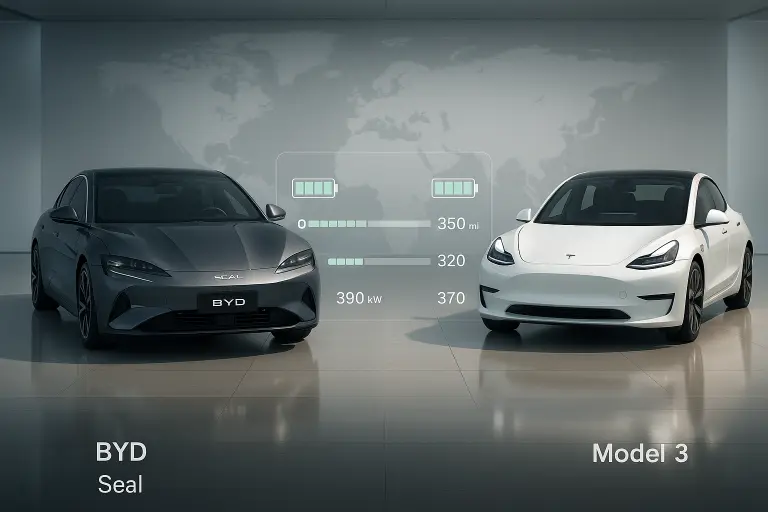
The cheapest EV car in China in 2026 is the Chery QQ Ice Cream Pro at approximately $7,700. No other major auto market globally offers a production EV at this price point — the most affordable EVs in the US, EU, and Japan all start above $20,000. For buyers who need longer range, the BYD Seagull — produced by BYD, China’s largest EV manufacturer by sales volume — starts at $10,150 and represents the strongest value proposition in the compact budget electric car tier.
China’s budget EV segment splits into two distinct categories: city micro-EVs ($7,700–$11,000) built for dense urban use, and entry compact EVs ($11,000–$16,500) with genuine mixed-use capability. Understanding which category matches your daily driving distance is the single most important buying decision in this segment.
What About the Wuling Hongguang Mini EV?
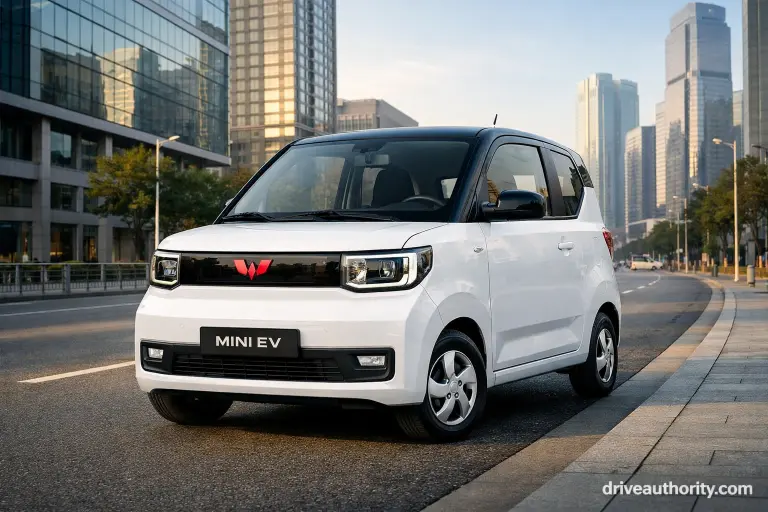
If you’ve been following China’s budget EV market, you’re probably wondering about the Wuling Hongguang Mini EV — the model that dominated sales from 2020 to 2023 and once sold for under $4,800. Here’s the current situation: the original Mini EV has been effectively replaced by the Wuling Bingo as SAIC-GM-Wuling’s primary budget EV. The Mini EV’s final iterations moved upmarket with the Gameboy and Macaron editions (priced $6,800–$9,000), and remaining inventory is clearing through 2026 — but it’s no longer a current-production volume model receiving platform updates. The Bingo, listed in our comparison at $8,200, is the successor that carries Wuling’s budget EV strategy forward with a larger battery, better range, and modern safety features. If you see sites listing the Mini EV at $4,800 in 2026, they’re referencing discontinued base trims that are no longer in regular production or dealer stock.
Why Are Chinese EVs This Cheap?
The most affordable EVs in China — and in fact the lowest priced electric cars available anywhere globally — result from several structural advantages working in combination: vertically integrated battery supply chains (BYD produces its own LFP cells in-house), government-subsidized manufacturing infrastructure built over two decades, intense domestic competition across 40+ active EV brands, and lower input costs at scale. The $7,700–$11,000 bracket for budget electric cars in China is not a loss-leader exercise — these are profitable, production-scale vehicles built on mature platforms. For international buyers, this segment is the clearest benchmark for what entry-level Chinese electric vehicle economics look like when manufacturing scale and supply chain integration are fully realized.
Base Price and Trim Variants
Most models offer two to four trim levels. Base trims reduce cost through smaller battery packs (typically 14–30 kWh), simplified infotainment, and manual seat adjustment. Upper trims add DC fast-charging capability, larger packs, and driver-assistance features. The price spread between base and top trim is commonly $2,000–$3,400 within the same model. The Chery QQ Ice Cream Pro, made by Chery Automobile — one of China’s largest state-owned independent automakers — leads the segment on base price. The Wuling Bingo comes from SAIC-GM-Wuling, a joint venture between SAIC Motor, General Motors, and Liuzhou Wuling Motors, which has sold more budget EVs in China than any other nameplate since 2020.
Battery Size, Motor Output & Claimed Range (CLTC)
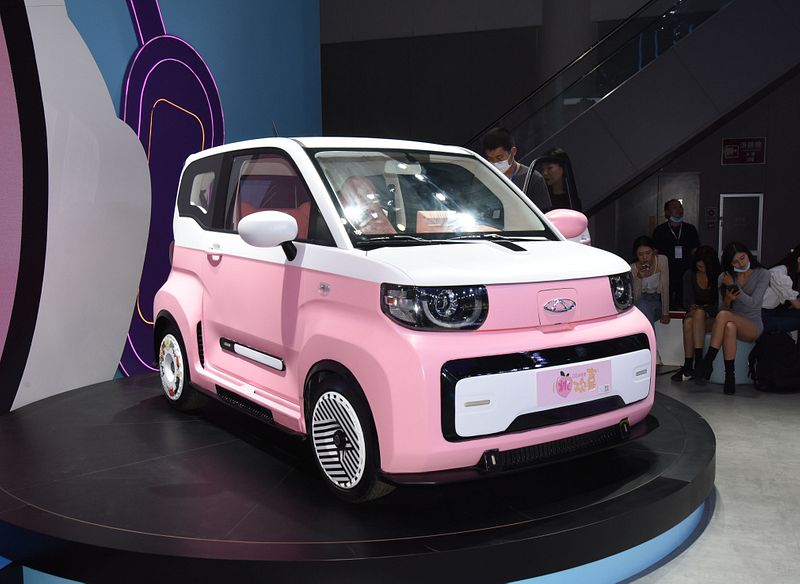
| Model | Manufacturer | Starting Price (USD) | Battery (kWh) | CLTC Range | Power Output |
|---|---|---|---|---|---|
| Chery QQ Ice Cream Pro | Chery Automobile | ~$7,700 | 13.9 / 26.5 | 170 / 301 km | 20 / 40 kW |
| Wuling Bingo (2026) | SAIC-GM-Wuling | ~$8,200 | 17.3 / 28.1 | 203 / 333 km | 30 / 50 kW |
| BYD Seagull (2026) | BYD Auto | ~$10,150 | 30.1 / 38.9 | 305 / 405 km | 55 kW |
| Leapmotor T03 (2026) | Leapmotor (Zhejiang) | ~$10,970 | 41 | 401 km | 70 kW |
| NETA V Chao (2026) | Neta Auto (Hozon) | ~$11,400 | 38.5 | 380 km | 70 kW |
USD prices converted at ~7.27 CNY/USD. Prices reflect domestic China MSRP before any trade-in incentive. Range figures are manufacturer-claimed CLTC. Source: aggregated brand pricing pages and industry media, Q1 2026.
Real-World Range vs Advertised CLTC Numbers
China’s CLTC (China Light-duty vehicle Test Cycle) standard produces range claims that consistently run 20–30% above real-world conditions. The gap isn’t unique to budget models — it applies across the industry — but it matters more when your base pack is under 30 kWh.
CLTC vs Real-World: How to Read the Numbers
Multiplying CLTC figures by 0.78–0.82 gives a reliable estimate for mixed driving. WLTP-equivalent figures land around 85–88% of CLTC. For buyers using EPA ratings as a benchmark, expect real-world range to run 15–22% below CLTC. A BYD Seagull rated at 405 km CLTC realistically delivers 315–335 km in everyday mixed use.
Highway Efficiency at 70–100 km/h
At a sustained highway speed of 100 km/h, budget EVs with modest aerodynamics take a harder range hit. Expect 65–72% of CLTC figures — for the Seagull’s larger pack, that’s roughly 260–270 km of practical highway range before the standard 20% buffer kicks in. Micro-EVs under $9,000 are not motorway vehicles; highway trips above 150 km require careful planning around public charging.
Urban Stop-Start Performance
Urban efficiency is where the entire category excels. Regenerative braking, low speeds, and short-cycle driving push real-world efficiency to 80–88% of CLTC ratings consistently. Commuters covering 35–50 km daily in city environments get highly predictable and repeatable per-charge economics from any model in this segment.
CLTC vs Estimated Real-World Range — Mixed Driving
Estimates based on ~78–80% CLTC-to-real adjustment factor for mixed driving. Highway-only figures will be lower.
For a detailed breakdown of how advertised figures compare to real-world performance, see our guide on EV range vs advertised range.
Charging Speed & Infrastructure Compatibility
Charging capability is where the budget tier makes its most visible compromises. China’s public fast-charging network is mature and dense in Tier 1 and Tier 2 cities in 2026, but not every model in this bracket can fully exploit it.
AC Charging (Home & Urban Stations)
All models support standard AC charging at 6.6–7 kW. On a home wallbox, a BYD Seagull (38.9 kWh) charges from 20% to 100% in approximately 5–6 hours — well suited to overnight use. Public AC stations in Chinese residential and commercial complexes cover the vast majority of daily charging needs for urban commuters without requiring DC access at all.
DC Fast Charging Curve (10–80%)
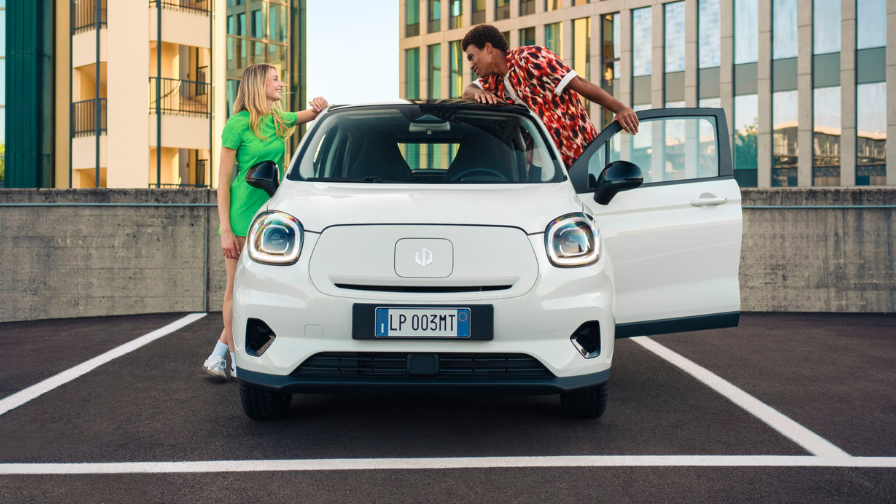
| Model | Max DC Rate | 10–80% Time (est.) | Charge Standard |
|---|---|---|---|
| BYD Seagull (38.9 kWh) | 40 kW | ~55 min | GB/T DC |
| Wuling Bingo (28.1 kWh) | 30 kW | ~55 min | GB/T DC |
| Leapmotor T03 | 45 kW | ~45 min | GB/T DC |
| NETA V Chao | 50 kW | ~40 min | GB/T DC |
| Chery QQ Ice Cream Pro | 20 kW | ~70 min | GB/T DC (upper trim only) |
Times estimated from pack size and peak charge rate. Actual times vary with temperature, state of charge, and grid load.
Battery Chemistry: LFP Durability in 2026
Nearly every model in this segment uses LFP (lithium iron phosphate) chemistry. LFP is less energy-dense than NMC but significantly more thermally stable, longer-lived in cycle terms, and well-suited to 100% daily charging without accelerated degradation. BYD’s blade cell-to-pack architecture — used in the Seagull — improves structural rigidity and thermal management beyond traditional cylindrical-cell packs. For urban drivers planning to keep a budget EV 5–8 years, LFP is the right chemistry. Battery longevity risk in this segment is considerably lower than the price tag implies.
Real Cost of Ownership in China
The sticker price gap between a $10,000 EV and a $15,000 gasoline compact narrows significantly once fuel savings, lower maintenance, and government incentives are factored in. Here’s how the numbers stack up annualized.
Electricity Cost vs Gasoline
At China’s average residential electricity rate of $0.076–$0.090 per kWh and a real-world efficiency of 14–16 kWh/100 km, the per-km running cost is approximately $0.011–$0.013. A comparable gasoline subcompact consuming 6.5L/100 km at roughly $1.03/L costs about $0.067 per km in fuel alone. Over 15,000 km annually, that represents an energy running cost saving of approximately $800–$840 per year in favor of the EV.
Insurance, Registration & Government Incentives
NEV plates remain exempt from lottery in most major Chinese cities, eliminating a significant cost and wait that applies to gasoline car buyers. Annual insurance in the $10,000–$12,400 purchase tier averages $440–$620 depending on city tier and driver history. EV insurance premiums for entry-level models in China remain 10–18% lower than comparable gasoline vehicles, primarily due to fewer mechanical components and lower repair frequency — a structural cost advantage that compounds over a 5-year ownership period. National trade-in incentives restructured in 2025 offer approximately $1,375–$2,060 for qualifying models through approved dealers.
5-Year Maintenance & Battery Warranty
| Category | Estimated Annual Cost (USD) | Notes |
|---|---|---|
| Electricity (15,000 km) | ~$173–$206 | Based on $0.083/kWh avg residential rate |
| Insurance | ~$440–$620 | Varies by city tier and driver profile |
| Routine Maintenance | ~$82–$137 | Brakes, tires, cabin filter, coolant |
| Unexpected Repairs (est.) | ~$55–$124/yr avg | Based on industry aggregates; higher in years 4–5 |
| Depreciation (5-yr annualized) | ~$1,100–$1,650/yr est. | Based on 2025 secondary market listings in Beijing and Shanghai; residuals estimated at 30–40% at year five |
Battery warranties in this segment are typically 8 years / 120,000 km with a minimum 70% capacity guarantee — consistent with Chinese NEV regulatory minimums. That coverage substantially reduces the primary long-term financial risk of budget EV ownership.
For a full breakdown, see our guide on monthly EV ownership costs.
Strengths and Trade-Offs of Ultra-Budget Chinese EVs
Price Advantage & Urban Efficiency
The value case is undeniable within its intended operating envelope. The BYD Seagull and the Leapmotor T03 — built by Leapmotor (Zhejiang Leapmotor Technology), a publicly listed Chinese EV startup that entered budget EVs before pivoting toward European exports with Stellantis — deliver reliable urban mobility, smartphone-integrated infotainment, and modern safety features at prices that compete directly with used gasoline subcompacts. For commuters covering under 60 km daily in a city with dense charging infrastructure, there is no more cost-efficient form of motorized personal transport available anywhere in the world right now.
Safety Ratings & Build Quality

Safety standards have improved meaningfully since 2023. The BYD Seagull received a 5-star C-NCAP rating in 2024, and LFP chemistry reduces thermal runaway risk compared to older NMC-based budget models. That said, build quality in the $7,700–$9,600 tier remains noticeably below mid-range Chinese EVs: thinner panel tolerances, less refined NVH suppression, and entry-level seat comfort are the most consistently reported criticisms from long-term owners. These are acceptable trade-offs for urban single-occupant use; less so for families or regular long-distance travel.
Before committing, review our analysis of common problems with Chinese electric cars to understand the most frequently reported issues by ownership segment.
Resale Value, Replacement Cycle Risk & Export Limitations
Resale values in the budget EV segment are under structural pressure. Rapid new-model cadence, aggressive factory pricing cycles, and low consumer switching costs compress used car values quickly. China’s domestic EV market moves faster than any other — facelifts, price cuts of $700–$1,400, and OTA-driven hardware updates can make a 2-year-old model feel outdated before its loan is paid off. Aggressive factory price cuts can compress resale values faster in China than in Western markets, leaving early adopters with steeper depreciation exposure than standard used-car estimates would suggest. Most models are also not homologated for European or North American markets — the BYD Seagull faces 100%+ US tariffs under current trade policy, and EU compliance work makes sub-$11,000 models economically unviable to import. These are purpose-built domestic-market vehicles.
Best Cheapest EV for Each Buyer Type
Not every budget model fits every use case. Here’s the fastest decision framework based on primary need:
| Buyer Priority | Best Model | Key Reason |
|---|---|---|
| Lowest upfront cost | Chery QQ Ice Cream Pro | ~$7,700 entry; acceptable urban range on upper trim |
| Best range under $11K | BYD Seagull (38.9 kWh) | 405 km CLTC, 5-star C-NCAP safety, LFP blade pack |
| Highway-capable budget EV | Leapmotor T03 | 401 km CLTC, 45 kW DC, strongest mixed-use capability |
| Fleet / ride-sharing use | NETA V Chao | 50 kW DC fast charge, lowest energy cost per km in segment |
Who Should Buy the Cheapest EV Car in China?
City Commuters & Short-Distance Drivers
The budget Chinese EV case is strongest for urban commuters covering 30–80 km daily with access to home or workplace charging. In that profile, the running cost advantage is real, the range limitation is irrelevant, and the low purchase price means payback versus a gasoline alternative arrives quickly.
Real scenario: A Beijing commuter driving 40 km daily spends under $17/month on electricity and recovers the cost gap versus a comparable gasoline subcompact in under 18 months — before accounting for NEV plate lottery exemption savings.
Ride-Sharing & Fleet Operators
Ride-hailing operators prioritize per-km energy cost and minimal scheduled maintenance — both delivered cleanly by budget LFP EVs. The NETA V Chao — made by Neta Auto, the consumer EV brand of Hozon New Energy Automobile, one of China’s mid-tier NEV manufacturers — leads this use case with its 50 kW DC fast-charge rate and low energy consumption per km. High-mileage commercial use (80,000–120,000 km over 3–4 years) does accelerate capacity degradation, but the 8-year pack warranty and LFP’s characteristically flat degradation curve make the economics defensible for operators on 4-year replacement cycles.
International Buyers Benchmarking Value
For buyers outside China, these vehicles are primarily a pricing reference and a preview of where global EV economics are heading. Direct import is not commercially viable at current tariff and compliance costs. But the $7,700–$11,000 price floor they represent is already reshaping how every major global automaker prices its next generation of entry-level EVs.
- Daily distance under 80 km? Any model in this segment is sufficient.
- Home or workplace charging reliably available? Proceed with confidence.
- Battery warranty confirmed at 8yr/120,000 km? Verify with dealer before signing.
- Regular highway trips over 200 km? Step up to the Leapmotor T03 or mid-range tier.
- Planning to resell within 3 years? Depreciation will be steep — price it in from day one.
FAQs — Cheapest EV Car in China 2026
What is the cheapest EV car in China in 2026?
The cheapest mainstream EV in China in 2026 is the Chery QQ Ice Cream Pro at approximately $7,700. The BYD Seagull starts at $10,150 and offers superior range and a 5-star C-NCAP safety rating. Both are city-focused LFP EVs designed for urban commuting rather than long-distance driving.
What happened to the Wuling Hongguang Mini EV?
The original Wuling Hongguang Mini EV — once priced under $4,800 — has been effectively replaced by the Wuling Bingo as the brand’s primary budget EV. Final Mini EV editions (Gameboy, Macaron) moved to $6,800–$9,000 and remaining inventory is clearing in 2026, but it’s no longer a current-production volume model. The Bingo at $8,200 carries the budget strategy forward with better range and modern safety features.
Are ultra-cheap Chinese EVs safe?
Safety varies by model. The BYD Seagull holds a 5-star C-NCAP rating and benefits from LFP chemistry’s inherently low thermal runaway risk. Micro-EVs under $9,000 carry higher build quality variability and may lack advanced driver-assistance systems. Always verify C-NCAP scores before purchase — the safety equipment gap between base and upper trims can be significant at this price point.
How much does it cost to charge per month in China?
For a commuter covering 1,200–1,500 km per month, home charging costs approximately $14–$20 at average residential electricity rates. DC public fast charging runs higher — around $0.11–$0.16 per kWh at commercial stations — pushing monthly totals to $22–$30 for users relying primarily on public infrastructure.
Can the cheapest Chinese EV be exported?
Not cost-effectively under current conditions. The BYD Seagull faces 100%+ US import tariffs. EU homologation compliance work makes sub-$11,000 models economically unviable to import into Europe. These are domestic-market vehicles. International buyers should treat Chinese domestic pricing as a value benchmark, not a purchase option available outside China.
If you’re exploring the broader market, our best Chinese EV 2026 real-world comparison covers the full mid-range and premium segment. For a complete financial picture, our hidden costs of Chinese EVs guide covers the ownership expenses that never appear on a window sticker. If you’re comparing drivetrains before committing, see our analysis of Chinese EV vs Japanese hybrid — a common decision for buyers in markets where both options are available.
Last updated: April 2026. Prices and specifications subject to change. Always confirm current MSRP and incentive eligibility with an authorized dealer before purchase.