Last Verified: March 2026
The best cars under $30,000 in 2026 are genuinely better than they’ve ever been. That budget used to feel like a constraint — a ceiling that forced trade-offs between reliability, safety tech, and body style. Today, however, it’s a competitive battleground. New compact SUVs, well-equipped sedans, and even hybrid models are fighting for this buyer. The result is a market where you can find a truly excellent car without compromise, provided you know which models actually deliver value at or below that number.
New and Used: Why Both Options Belong in This Guide
This article covers both sides of the $30,000 decision. New vehicles at or under this MSRP are better-equipped than ever — base trims now routinely include automatic emergency braking, wireless Apple CarPlay, and proven powertrains. That said, the used market at the same budget unlocks vehicles that were $42,000–$55,000 new just three years ago. Specifically, mid-size sedans, compact near-luxury cars, and well-optioned SUVs have absorbed their steepest depreciation and are available at compelling prices. I’ve spent years tracking what this budget buys across both markets. This guide reflects what I’d tell someone making this decision today.
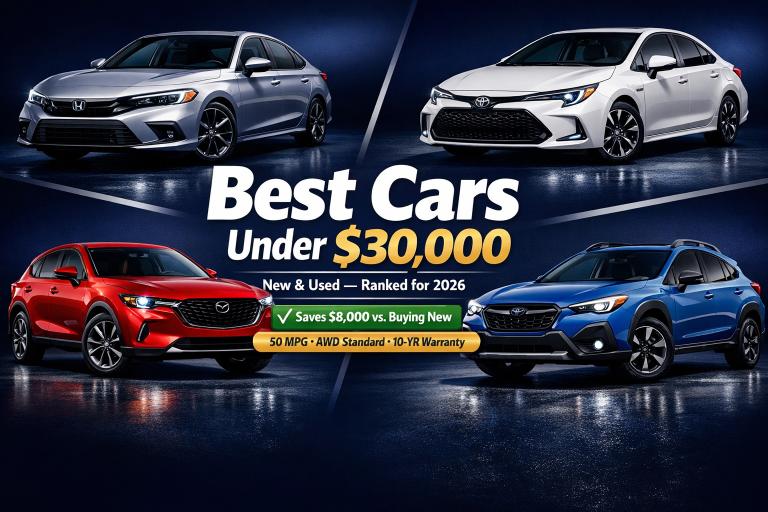
Best Cars Under $30,000 in 2026 — Top Picks:
For new buyers, the Honda Civic (~$23,950) and Toyota Corolla Hybrid (~$23,500) deliver the best long-term value. For SUV buyers, the Subaru Crosstrek (~$26,995) and Kia Seltos (~$24,690) are the strongest all-around choices. Used buyers get significantly more car — a 2022 Toyota Camry XSE or 2021–2022 Mazda CX-5 Touring can be found for $26,000–$29,500, with reliability records no new budget car can match.
How We Chose: What “Best” Means at This Budget
Every ranked list is only as useful as the criteria behind it. At $30,000, the factors that matter are different from those at $50,000. Conflating them produces guides that look thorough but don’t help you decide. Here’s exactly what this ranking uses, and why each factor was chosen.
The Four Criteria This Ranking Uses
Value density measures how much safety technology, powertrain capability, and interior quality you get per dollar at sub-$30,000. A car at $22,000 with lane-keep assist, adaptive cruise, and wireless CarPlay standard scores higher than one that requires a $28,000 trim to match it. Reliability record is non-negotiable — every model on this list has at least two full years of owner or Consumer Reports / J.D. Power survey data at the recommended trim. No first-year models make this cut. Real-world running cost covers fuel economy at 15,000 miles per year, insurance tier, and scheduled maintenance. Specifically, a car that costs $500 less to buy but $800 more per year to run doesn’t belong on a value list. Resale value at 36 months — because total ownership cost, not sticker price, is the number that actually matters.
New vs. Used: How the Comparison Works in This Guide
New vehicles must be available at or below $30,000 MSRP at a volume-selling trim — not a stripped spec dealers don’t stock. Used vehicles must be commonly available at $30,000 or under from certified pre-owned or private sale, with verifiable pricing from Kelley Blue Book or Edmunds. Both categories are ranked on their own terms — not compared until §4, where the decision framework lives.
Best New Cars Under $30,000 in 2026: Top Picks by Segment
The 2026 new car market at this budget is genuinely strong. It’s stronger, in fact, than it was in 2022–2023 when inventory shortages pushed prices above MSRP and stripped out expected features. Today, manufacturers are adding safety technology to base trims that used to cost $5,000 more. Here’s what the money actually buys, broken down by body style.
Best New Sedans and Hatchbacks Under $30,000
Honda Civic — Best All-Around New Sedan
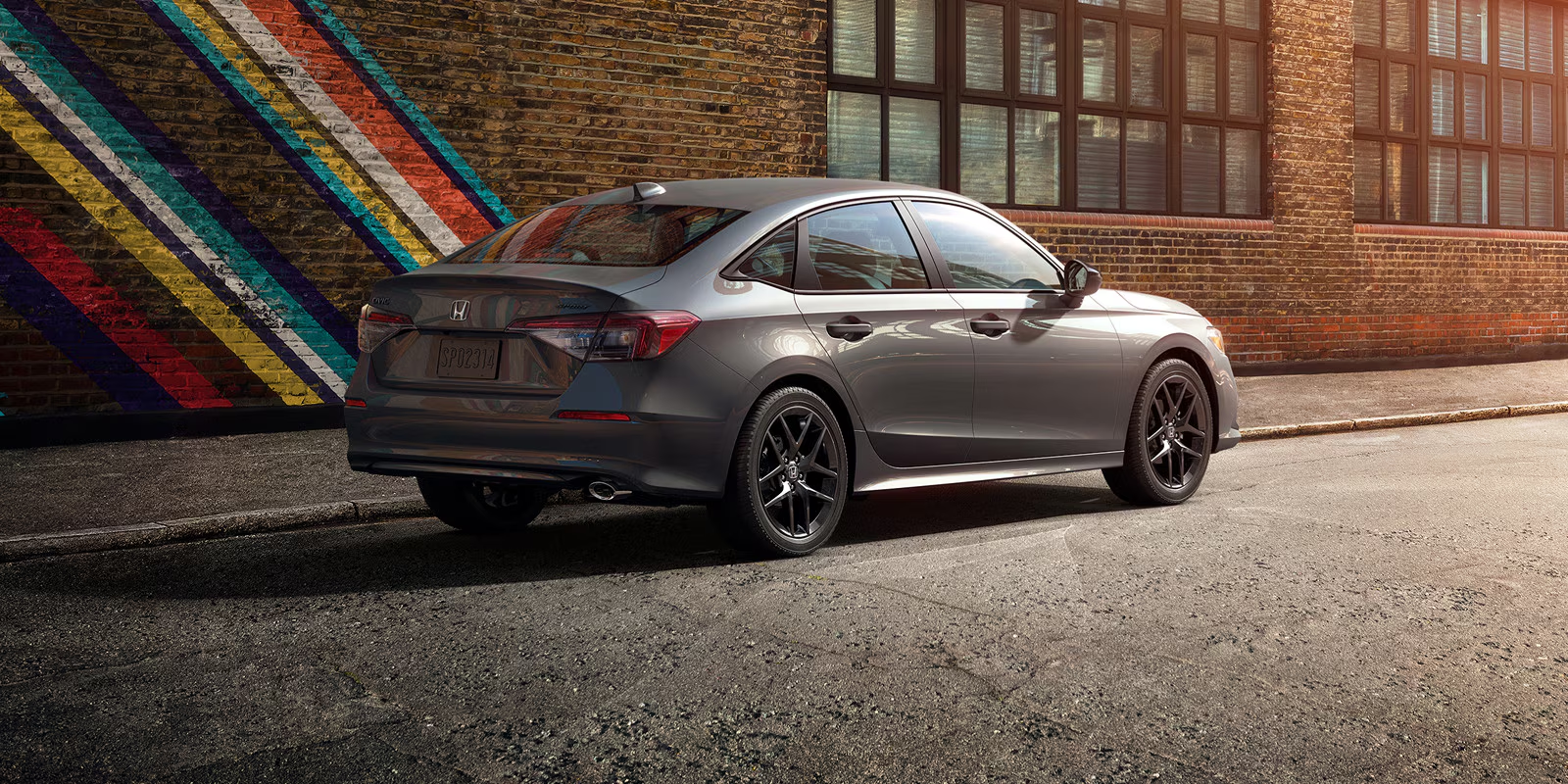
The Civic remains the benchmark in this segment — not because of marketing, but because of data. Consumer Reports has ranked it above average in predicted reliability for multiple consecutive years. The 2026 model adds Honda Sensing across all trims: automatic emergency braking, adaptive cruise, and lane-keeping assist are therefore standard at base. The volume-selling EX trim at approximately $27,500 adds wireless CarPlay, a heated steering wheel, and a sunroof. By contrast, four years ago that specification cost $32,000 from most competitors. Best for: first-time buyers and commuters who prioritize low maintenance costs and strong 3-year resale value.
Toyota Corolla Hybrid — Best Fuel Economy Under $25K
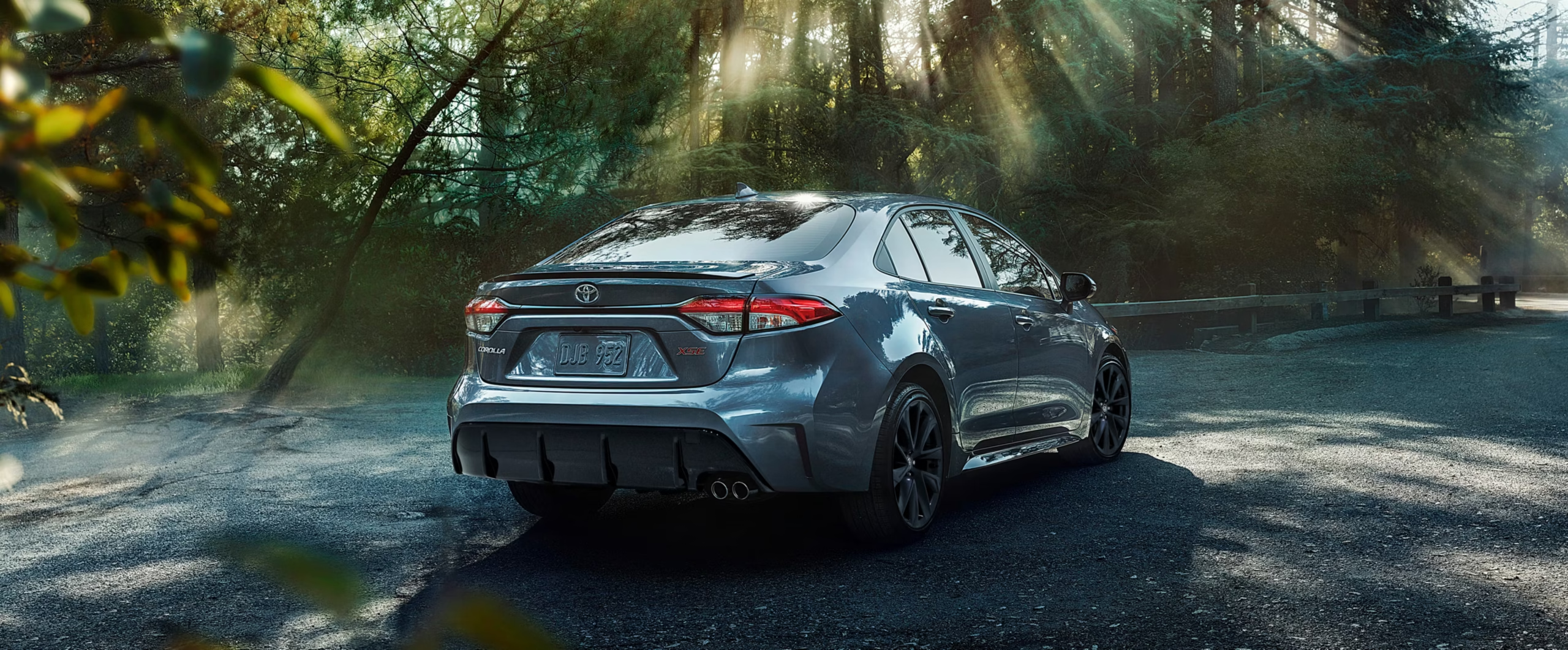
This is the pick I give to every buyer who asks about long-term running cost under $30,000. The Corolla Hybrid delivers 50 mpg combined per EPA — the best fuel economy of any non-plug-in vehicle in this segment. Toyota’s hybrid powertrain reliability record, because it spans multiple generations and hundreds of thousands of real-world examples, is as close to risk-free as a used or new powertrain gets. At 15,000 miles per year versus a 30 mpg gas car, you save approximately $800–$1,000 annually in fuel. That compounds significantly over five years. Best for: high-mileage commuters who want the lowest per-mile running cost without charging dependency.
Mazda3 — Best Interior Quality per Dollar
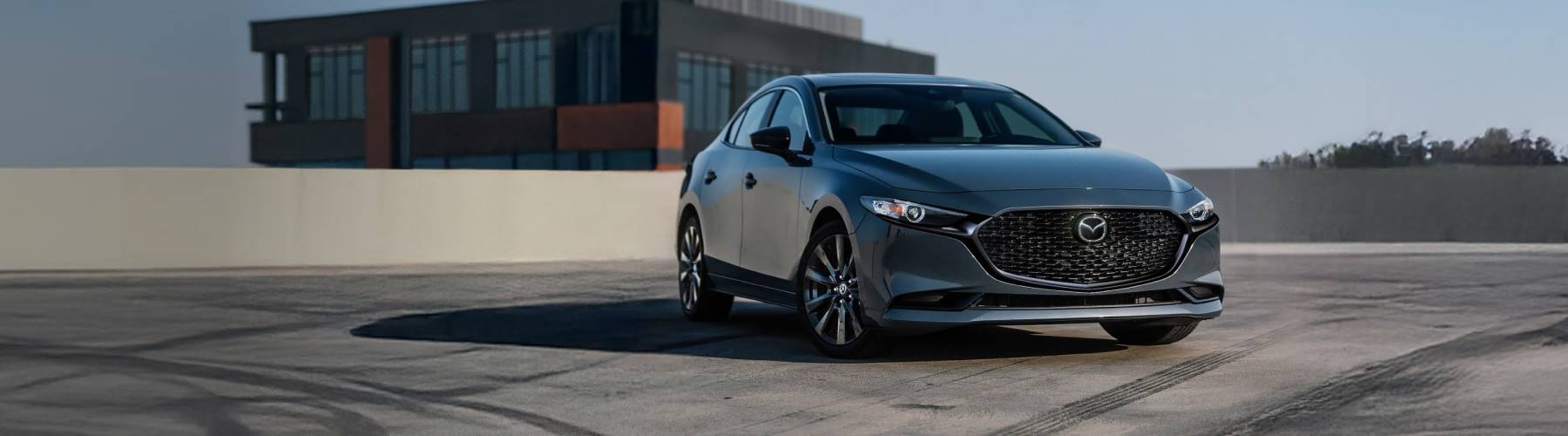
The Mazda3 is the quality-per-dollar outlier at this price point. Its interior materials and driving dynamics feel genuinely competitive with cars costing $10,000 more. J.D. Power’s 2025 Initial Quality Study places Mazda at or near the top of all mainstream brands — a consistent result, not an anomaly. The catch, however, is cargo space. The hatchback is practical, but the sedan’s trunk is notably smaller than the Civic and Corolla. Best for: buyers who prioritize driving feel and interior refinement over maximum practicality.
Best New Compact SUVs Under $30,000
Hyundai Venue — Most Affordable New SUV
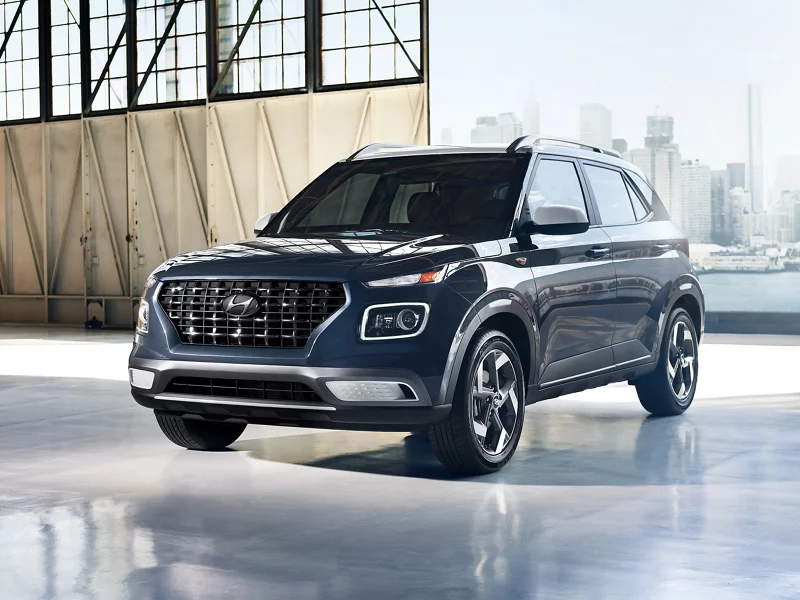
The Venue is the most affordable new SUV on this list. At $19,850 to start, it leaves $10,000 of budget headroom — which means you can add meaningful features and still stay well under the ceiling. Its small footprint suits urban buyers who need parking ease without sacrificing weekend cargo utility. Standard safety across all trims includes forward collision warning and lane departure alert. However, the 1.6L naturally aspirated engine is genuinely underpowered on highway merges. That’s a real limitation for buyers who regularly drive at freeway speeds.
Kia Seltos — Best Value Compact SUV
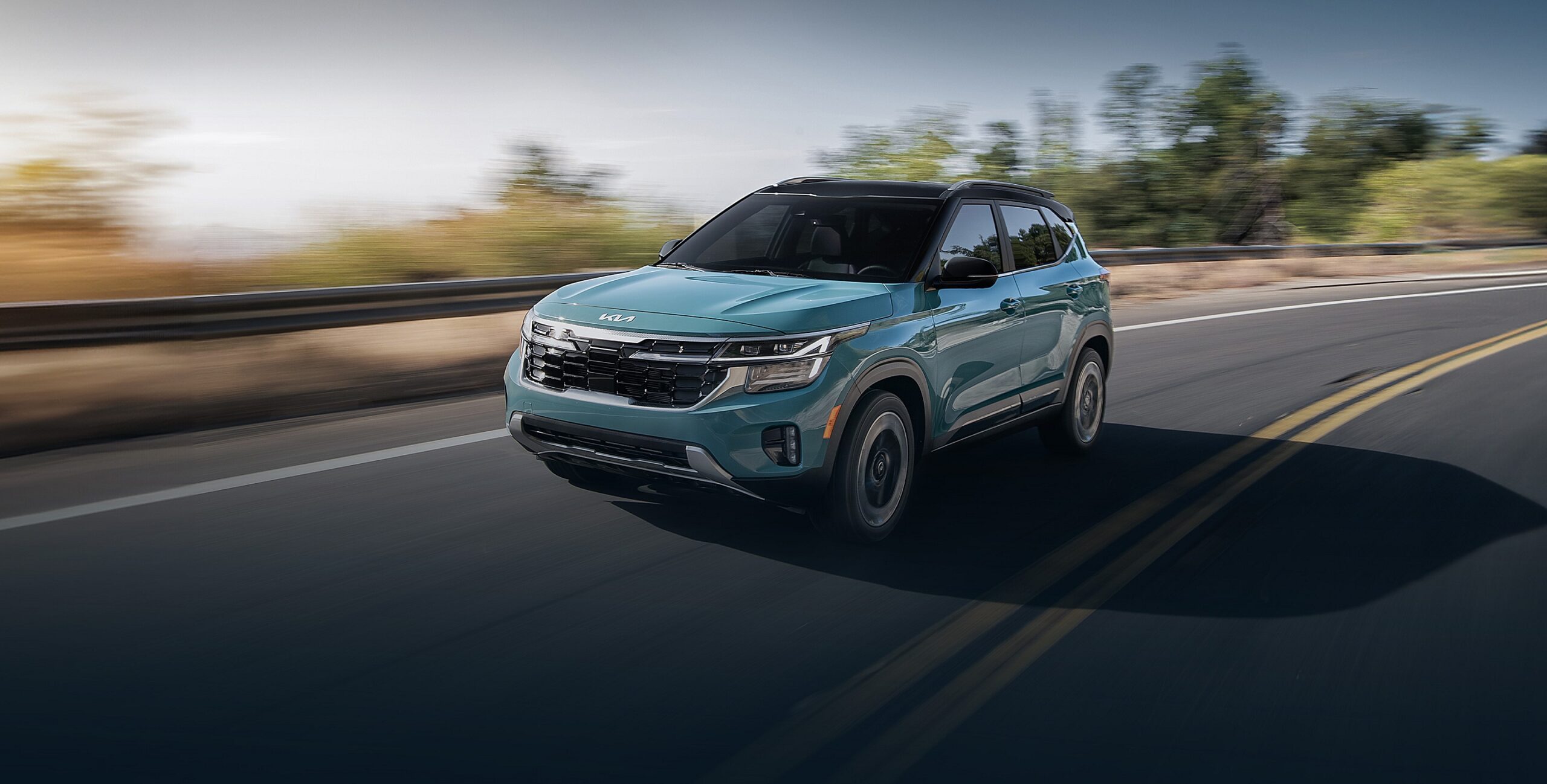
The Seltos hits the compact SUV sweet spot for buyers who want more interior space than the Venue offers, without reaching the Crosstrek’s price. Standard features at base trim include an 8-inch touchscreen, Apple CarPlay, and Android Auto — wired at base, wireless on higher trims. Because Kia’s 10-year/100,000-mile powertrain warranty is the longest coverage in the segment at this price, it significantly reduces the financial risk of an unexpected drivetrain issue. Best for: small families and buyers who cross-shop sedans but want the higher seating position of a crossover.
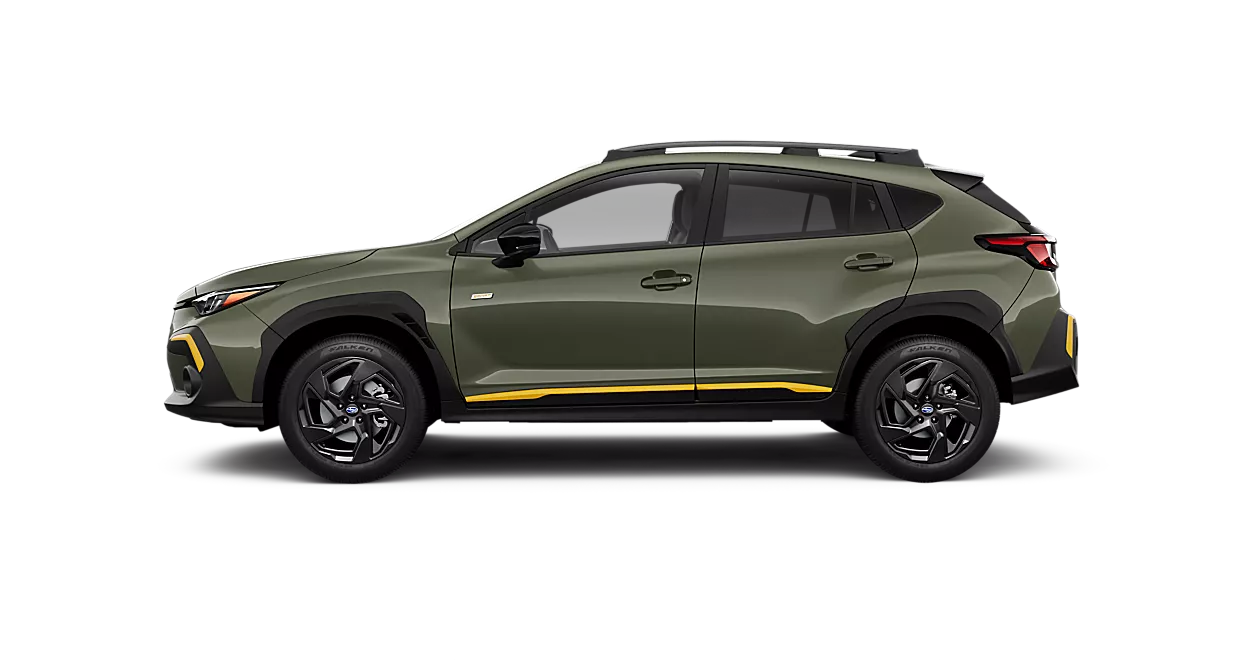
Subaru Crosstrek — Best SUV for AWD Buyers
The Crosstrek is the only vehicle in this segment with standard all-wheel drive at the base trim — no option package required. That’s a meaningful distinction in snow states or rural areas. The 2026 model also includes EyeSight driver assistance as standard: pre-collision braking, lane sway warning, and adaptive cruise. As a result, it offers the strongest safety specification of any compact SUV under $30,000 from a warranty perspective. IIHS rates the 2026 Crosstrek as a Top Safety Pick+. Best for: inclement weather drivers and outdoor-active buyers who need light off-road capability.
Best New Hybrids and EVs Within the $30,000 Range
Hyundai Elantra Hybrid — Most Efficient New Car Under $27K
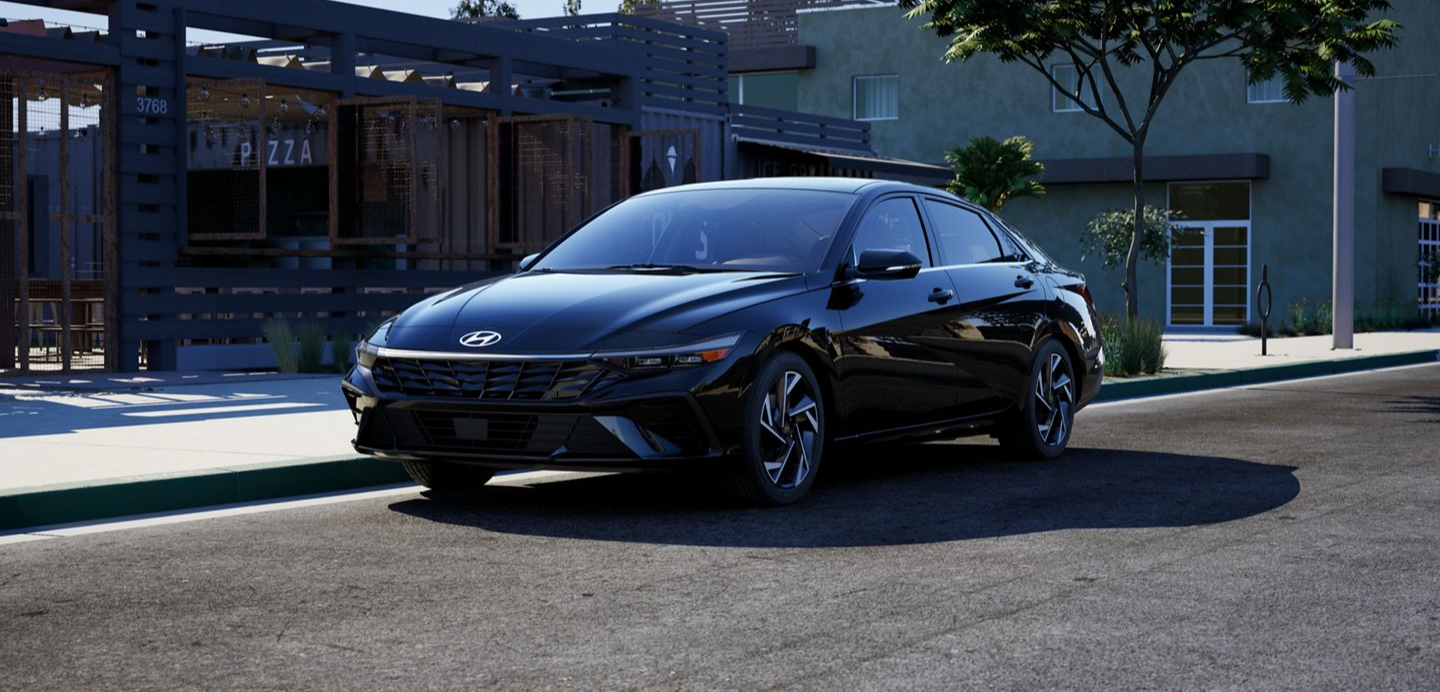
Hybrid options within this budget are stronger in 2026 than in any prior year. The Elantra Hybrid starts at approximately $26,300 and delivers 54 mpg combined — edging the Corolla Hybrid on efficiency while adding a more modern interior specification. The Corolla Hybrid at ~$23,500 remains, however, the reliability benchmark because of Toyota’s longer track record. Both are available within $30,000 without any incentive dependency. That matters because their value case doesn’t require a tax credit calculation to hold up.
Chevrolet Equinox EV — Best EV Value After Incentives
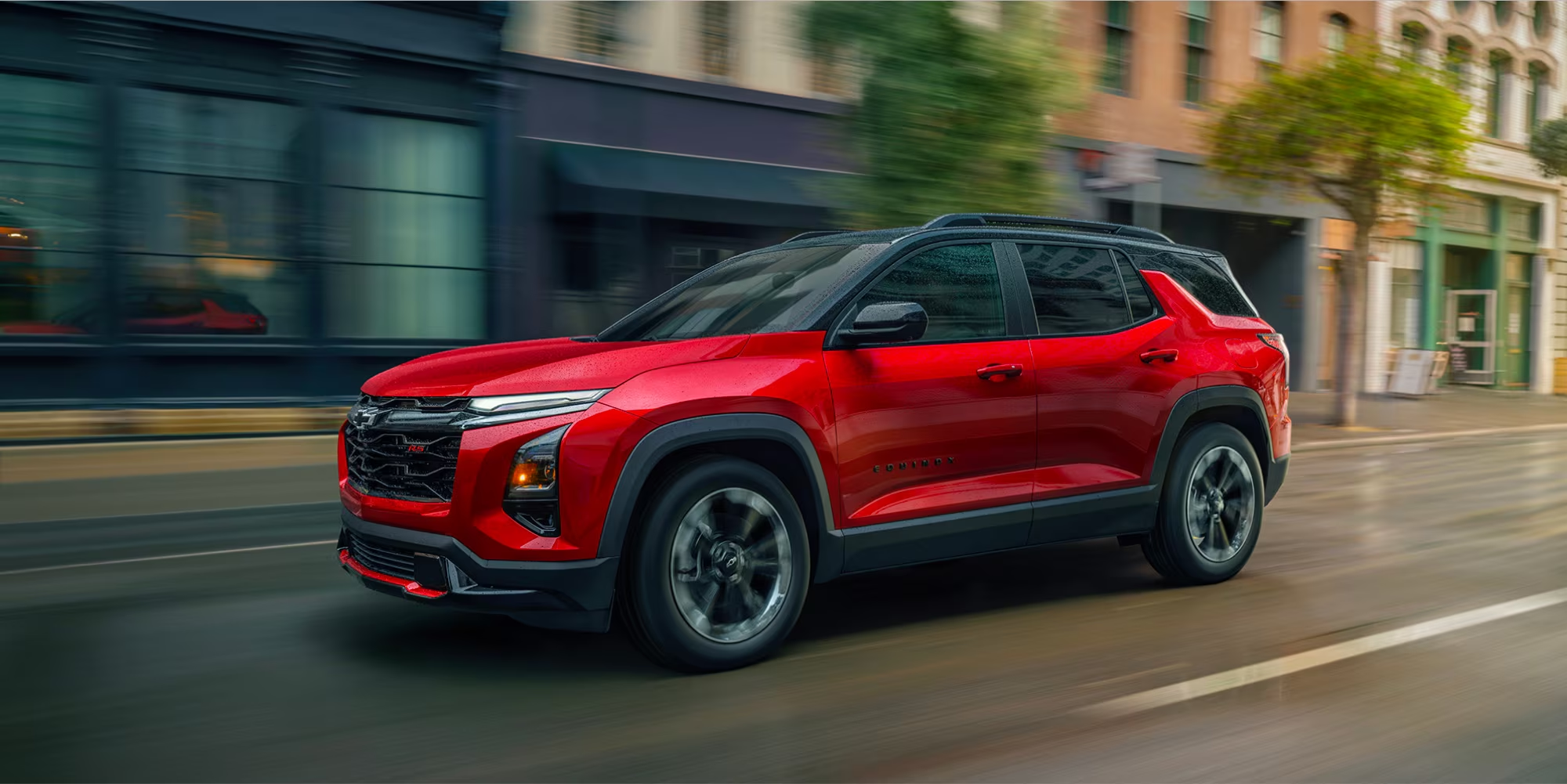
EVs are a different story. The Equinox EV base starts at approximately $35,000, but after the $7,500 federal tax credit — for which it currently qualifies under IRA rules — the effective price reaches approximately $27,500. The Nissan Leaf base at ~$29,040 also qualifies for the full credit. That said, both EV prices depend on income eligibility, and the credit’s future beyond 2026 carries legislative uncertainty. Because of that, hybrids without incentive dependency are the safer financial planning choice at this budget if you can’t confirm your eligibility today.
← Scroll to see full table on mobile
| Model | Body Style | Starting MSRP | Key Strength | Best For |
|---|---|---|---|---|
| Toyota Corolla Hybrid TOP PICK | Sedan | ~$23,500 | 50 mpg combined · lowest running cost | High-mileage commuters |
| Honda Civic EX BEST ALL-AROUND | Sedan / Hatchback | ~$23,950 | Top reliability · Honda Sensing standard | First-time buyers, families |
| Mazda3 | Sedan / Hatchback | ~$24,345 | Best interior quality per dollar | Experience-focused buyers |
| Hyundai Elantra Hybrid | Sedan | ~$26,300 | 54 mpg combined · modern interior | Fuel-cost minimizers |
| Hyundai Venue | Subcompact SUV | ~$19,850 | Lowest entry price · city-friendly | Urban drivers, budget-ceiling buyers |
| Kia Seltos LX | Compact SUV | ~$24,690 | 10yr/100K warranty · CarPlay standard | Small families, crossover seekers |
| Subaru Crosstrek BEST SUV | Compact SUV | ~$26,995 | AWD standard · IIHS Top Safety Pick+ | Snow-belt buyers, outdoor use |
| Chevy Equinox EV CREDIT DEPENDENT | Compact EV SUV | ~$35K (~$27.5K after credit) | Best EV value post-incentive | EV-ready, credit-eligible buyers |
Best Used Cars Under $30,000 in 2026: Where the Real Value Lives
Here’s what most new-car guides won’t tell you: $30,000 in the used market in 2026 doesn’t buy you a budget car. It buys you a 2021–2023 vehicle that was $38,000–$55,000 new. That vehicle has absorbed the steepest part of its depreciation curve and still has years of reliable service ahead.
Best Used Sedans and Family Cars Under $30,000
2021–2023 Toyota Camry — Best Used Sedan Overall
The Camry in its 2021–2023 form is the most reliable mid-size sedan you can buy used at this budget. Consumer Reports’ owner satisfaction scores for these model years are consistently excellent. The 2.5L four-cylinder powertrain, specifically, has a proven 200,000-mile track record with minimal major repair history. At $26,000–$28,500 for a 40,000–60,000 mile XSE, you’re accessing a car that was approximately $34,000–$37,000 new. CPO through Toyota dealers adds a 12-month/12,000-mile comprehensive warranty on top of remaining factory coverage. That’s a meaningful risk reduction at this price.
2021–2022 Honda Accord Sport — Best Used Sedan for Driving Enjoyment
The Accord Sport is the stronger used sedan choice for buyers who want a larger, more engaging car than the Camry. The 1.5T and 2.0T engines are both proven at high mileage. The interior quality on the 2022 model is, by contrast, notably above the Camry’s at equivalent price points. Honda Sensing — the full safety suite including adaptive cruise — is standard across all trims from 2021 onward. Therefore, you don’t need to spend extra on a higher trim to get the safety features that matter for daily driving. Best for: buyers who want mid-size comfort and a more spirited driving experience.
2021–2022 Mazda6 — The Underrated Buy
The Mazda6 is an underrated pick at this budget. The Grand Touring trim — available for $24,000–$26,500 at 30,000–50,000 miles — includes leather, a Bose audio system, and a premium interior that competes with entry luxury sedans. Because Mazda discontinued the 6 for the U.S. market after 2021, replacement demand is low and awareness has dipped. As a result, you can find near-perfect condition Grand Touring examples for less than equivalent Camry or Accord alternatives. The catch: no replacement model means no future parts ecosystem. Confirm parts availability in your region before buying.
Best Used SUVs and Crossovers Under $30,000
2021–2023 Mazda CX-5 — Best Used Compact SUV Overall
The CX-5 is my personal first recommendation for used compact SUV buyers at this budget. It offers the best combination of driving quality, interior finish, standard AWD, and reliability data of any option in the segment at this price. The Grand Touring trim at $27,000–$29,000 with 35,000–55,000 miles includes leather, a 10.25-inch touchscreen, and Mazda’s i-Activsense safety suite. J.D. Power’s 2025 Vehicle Dependability Study places Mazda at the top of all mainstream brands. That data point, specifically, changed my thinking on this segment.
2021–2022 Toyota RAV4 — Most Reliable Used SUV
The RAV4 sits at the $30,000 ceiling for well-spec’d examples — specifically XLE and XLE Premium trims with 40,000–60,000 miles. That’s tight, however it’s worth the effort if you can find a private sale example in your region. The RAV4’s reliability record at three to five years is exceptional. AWD availability across all trims makes it the safest used SUV bet for buyers in mixed-climate markets. Admittedly, strong resale means KBB certified pricing often starts at $29,500–$32,000 for 2022 examples — so private sale is the more realistic path to staying under the ceiling.
2021–2022 Subaru Forester — Best Used SUV for AWD and Cargo
For buyers who need AWD, cargo space, and a proven reliability record — without reaching the RAV4’s price — the Forester is the most accessible option at this budget. Standard AWD, 8.7 inches of ground clearance, and EyeSight safety as standard on all 2021+ trims make it both practical and well-equipped. Therefore, buyers in snow states or who regularly carry outdoor gear will find the Forester delivering more utility per dollar than any competitor at this used price point.
Best Used Near-Premium Cars Under $30,000
This is the section most buyers don’t know to look for. The 2022–2023 Genesis G70 — originally $36,000–$42,000 new — is now available used for approximately $27,000–$31,000 with 30,000–50,000 miles. It’s a genuinely excellent turbocharged sports sedan with a premium interior that no mainstream new car at $30,000 can match. The 2021–2022 Acura TLX lands similarly. Before buying used luxury at this price, however, check three things: remaining warranty status, out-of-warranty maintenance cost, and parts availability in your market. Service costs for Genesis and Acura are significantly higher than Toyota or Honda. Budget $1,500–$2,500 more per year for scheduled maintenance — that cost is real and shouldn’t be ignored.
← Scroll to see full table on mobile
| Model | Year Range | Est. Used Price | Original MSRP New | Depreciation Saving |
|---|---|---|---|---|
| Toyota Camry XSE BEST VALUE | 2021–2023 | $25,000–$29,500 | ~$34,000–$37,000 | ~$8,000–$10,000 |
| Honda Accord Sport | 2021–2022 | $24,500–$28,500 | ~$31,000–$35,000 | ~$6,500–$8,000 |
| Mazda CX-5 Grand Touring BEST SUV | 2021–2023 | $24,500–$29,500 | ~$33,000–$36,500 | ~$7,000–$9,000 |
| Toyota RAV4 XLE | 2021–2022 | $27,000–$30,500 | ~$32,000–$36,000 | ~$5,000–$7,000 |
| Genesis G70 LUXURY UNLOCK | 2022–2023 | $27,000–$31,000 | ~$37,000–$43,000 | ~$10,000–$14,000 |
New vs. Used Under $30,000: How to Decide Which Is Right for You
I get this question more than any other: should I buy new or used at this budget? My answer is always the same — it depends primarily on one variable: how long you plan to keep the car. Everything else flows from that.
When Buying New Under $30,000 Makes More Sense
New makes stronger financial sense when you plan to keep the vehicle 7–10 years or more. The full factory warranty — typically 3yr/36,000 miles bumper-to-bumper and 5yr/60,000 miles powertrain for Japanese and Korean brands — absorbs repair risk during the years when unexpected costs are most likely. Because 2026 base trims are significantly better-equipped than their 2019–2021 equivalents, you’re not sacrificing technology to stay under the ceiling. Automatic emergency braking and adaptive cruise are now standard on most new sub-$30,000 vehicles. Five years ago, those features required $35,000–$38,000. New also makes sense for first-time buyers without access to a trusted pre-purchase inspection mechanic.
When Buying Used Under $30,000 Makes More Sense
Used delivers more car per dollar — and at this budget, that gap is large enough to matter significantly. Specifically, $28,000 used buys a 2022 Mazda CX-5 Grand Touring with leather, premium audio, and AWD. No new $28,000 car can match that specification. The depreciation curve has already been absorbed by the first owner. Therefore, a used vehicle entering years three through five depreciates at a much slower rate — meaning your total three-year cost is lower, even accounting for higher service frequency. CPO programs from Toyota, Honda, and Mazda reduce the reliability risk meaningfully. However, used makes less sense for buyers who lack inspection access, who will finance at high rates, or who need a specific 2025–2026 safety technology.
✅ Buy New — Best When You…
- Plan to keep the vehicle 7+ years
- Want full factory warranty with no ownership history
- Need the latest safety technology at base trim
- Can access manufacturer low-APR financing
- Don’t have access to a trusted pre-purchase inspection
- Are a first-time buyer who needs predictable monthly costs
✅ Buy Used — Best When You…
- Want significantly more vehicle per $30,000
- Are comfortable with CPO or private inspection process
- Plan to own for 3–6 years after peak depreciation
- Want a higher trim level or body style than budget allows new
- Are buying a second vehicle with higher risk tolerance
- Want to access near-premium brands at this price used
Running Costs: What These Cars Actually Cost to Own Per Month
The sticker price is the number buyers focus on. However, the monthly cost of owning and running the car is the number that actually determines how this purchase affects your life. At $30,000, the spread between the cheapest and most expensive options to run is surprisingly wide.
Fuel Economy and Insurance Cost Comparison
At 15,000 miles per year and a national average gas price of approximately $3.40 per gallon, the difference between 30 mpg and 50 mpg amounts to roughly $1,020 per year in fuel savings. That’s $85 per month — before accounting for any resale difference. Over five years, that’s more than $5,000. Therefore, if you’re choosing between a compact gas SUV and the Corolla Hybrid at a similar sticker price, the hybrid case is mathematically clear for any driver above 12,000 miles annually.
Insurance costs at this budget tier vary by body style. Based on Insurify 2025 industry data, compact sedans like the Civic and Corolla average approximately $1,350–$1,550 annually for full coverage. Compact SUVs run slightly higher — $1,450–$1,700 — because of higher repair costs. By contrast, near-premium used vehicles like the Genesis G70 typically cost $1,800–$2,400 per year to insure. That $400–$800 annual premium reduces the sticker discount significantly over three years. It’s worth calculating before the luxury appeal wins the argument.
Maintenance Cost Reality by Model Category
Japanese brands — Toyota, Honda, Mazda, Subaru — maintain the lowest scheduled maintenance costs in this segment. Based on RepairPal annual reliability data, Toyota and Honda models in the $20,000–$30,000 segment average $300–$500 per year during the first five years. Korean brands have closed the gap considerably. Current Hyundai and Kia models average $350–$550 annually — significantly better than their pre-2018 reputation suggested. Domestic brands average $500–$700. The used luxury outliers — Genesis and Acura — average $700–$1,100 annually post-warranty. That’s a real cost, not a hypothetical one.
Safety and Technology: What You Get at This Price in 2026
The safety technology story at sub-$30,000 in 2026 is genuinely good news. Most buyers don’t fully appreciate it because they’re comparing against what this budget delivered in 2020, not what it delivers today.
Standard Safety Tech on 2026 Base Trims Under $30,000
Automatic emergency braking is now standard across virtually every new vehicle in this segment — a feature that cost $1,500–$2,000 as an option in 2019. Lane departure warning and lane-keeping assist are similarly standard at base. Blind-spot monitoring varies: Honda, Toyota, and Subaru include it on second trims, while Kia and Hyundai more frequently offer it at base. What’s more, IIHS Top Safety Pick+ ratings are now achievable at vehicles starting under $25,000. The 2026 Honda Civic, Toyota Corolla, and Mazda3 all carry ratings that were exclusive to $35,000+ vehicles in 2021. That convergence is one of the strongest arguments for buying new at this budget, specifically in 2026.
Infotainment and Connectivity at This Budget
Wireless Apple CarPlay is standard on most 2026 models above base trim within this budget. Specifically, the Honda Civic EX, Hyundai Venue SEL, Kia Seltos LX, and Mazda3 Select all include it. However, some base trims still require a wired connection. Android Auto wireless availability also lags behind CarPlay on certain models. Screen sizes have improved: 8-inch touchscreens are now the floor, with 10.25–12.3-inch displays available on higher trims within $30,000. The honest assessment is that upgrading from a $22,000 base trim to a $26,500 EX or SEL — while staying within the ceiling — typically adds wireless connectivity, a larger screen, heated seats, and a sunroof. That upgrade is almost always worth doing.
Best Cars Under $30,000 by Buyer Type
You’ve read the lists. Here’s what I’d tell five different buyers walking into this decision today — matched to who they are and how they actually drive.
Lowest insurance tier in the segment. Honda Sensing standard on all trims. Proven reliability at 200K+ miles. Easy to finance new with low APR offers, and resale at 36 months is among the strongest sub-$30K options available.
50 mpg combined means $800–$1,000 saved annually versus a 30 mpg gas alternative at 15,000 miles/year. Toyota hybrid reliability is the most data-supported powertrain choice in the segment. Lowest per-mile cost of any new car under $25K.
Standard AWD, leather, and a proven 5-star NHTSA safety record at $27,000 used. More rear passenger and cargo space than any new compact SUV under $30K. 2021–2023 model years carry excellent reliability data across all major consumer surveys.
Was $35,000 new. Available at $26,500–$28,500 used with 40,000–55,000 miles. CPO warranty reduces risk. Consumer Reports rates this model year above average in reliability. Nothing new under $30K offers this combination of size, spec, and proven durability.
Smallest turning radius in the segment at 17.7 feet. Easiest to park in urban environments. 32 mpg combined is strong for a naturally aspirated SUV. Budget-friendly insurance tier and standard safety suite make it the lowest-friction city car at this price.
FAQ: Best Cars Under $30,000 in 2026
What is the best new car you can buy for under $30,000 in 2026?
For most buyers, the Honda Civic EX (~$27,500) and Toyota Corolla Hybrid (~$23,500) are the two strongest choices. The Civic wins on all-around value and long-term reliability — Honda Sensing is standard on every trim. The Corolla Hybrid wins on running cost: 50 mpg combined and Toyota’s proven powertrain make it the lowest per-mile cost new car at this budget. For SUV buyers, the Subaru Crosstrek at ~$26,995 is the strongest pick because of standard AWD and IIHS Top Safety Pick+ status.
Is it better to buy new or used at a $30,000 budget in 2026?
For buyers who plan to keep the car 7+ years, new is the stronger choice — you get a full factory warranty and no ownership history uncertainty. For buyers who plan to own 3–5 years, however, used is the better financial decision. Specifically, $28,000 in the used market buys a 2022 Mazda CX-5 Grand Touring or Toyota Camry XSE that was $34,000–$36,000 new. The steepest depreciation is already absorbed, so your total cost over three years is lower. The key variable is therefore ownership duration — not which option sounds better.
What is the most reliable car under $30,000 in 2026?
Based on Consumer Reports predicted reliability and J.D. Power 2025 Vehicle Dependability data, the Toyota Corolla Hybrid, Honda Civic, and Mazda3 are the three most consistently reliable new cars under $30,000. Among used options, the 2021–2023 Toyota Camry and 2021–2023 Mazda CX-5 carry the strongest records across owner survey data and independent testing. Toyota and Mazda specifically rank at or near the top of all mainstream brands in recent dependability studies — that’s not an accident, it’s a pattern.
Can you get a hybrid or EV under $30,000 in 2026?
Yes — several hybrids are available new under $30,000 without incentive dependency. The Toyota Corolla Hybrid (~$23,500), Hyundai Elantra Hybrid (~$26,300), and Toyota Camry Hybrid (~$29,900) all fit within the ceiling. EVs are more complicated, however. The Chevrolet Equinox EV and Nissan Leaf reach sub-$30,000 only after the $7,500 federal tax credit — and that credit depends on income eligibility and legislative continuity. Because of that uncertainty, hybrids without incentive dependency are therefore the safer financial planning choice if you can’t confirm eligibility today.
The Bottom Line on the Best Cars Under $30,000 in 2026
The single most important thing to take from this guide: $30,000 in 2026 is a genuinely flexible budget. New buyers get some of the safest, most fuel-efficient, most reliable compact cars ever built at this price. Used buyers get vehicles that were luxury-adjacent three years ago — already depreciated, ready for another 100,000 miles. The mistake I watch buyers make every week is treating this as a sticker-price decision rather than a total-cost-of-ownership decision. Choose the car that fits your driving pattern, your keeping timeline, and your actual monthly budget. Every option on this list will serve you well.