1. Introduction: Why the Peugeot Boxer 1999 Still Attracts Buyers
You’re looking at a 25-year-old commercial van with faded paint, questionable mileage, and a price tag that makes you wonder what’s wrong with it. However, thousands of people search for the Peugeot Boxer 1999 every month, and surprisingly, many actually buy one.
The late 1990s produced a generation of European vans that refused to die quietly. Specifically, these were purpose-built workhorses from an era before crumple zones became standard and before emissions regulations rewrote the diesel playbook. In fact, the Peugeot Boxer 1999 represents that final chapter of truly simple commercial vehicles—machines you could fix with basic tools and genuine determination.
Today, the Peugeot Boxer 1999 attracts three distinct buyer types: tradespeople needing cheap cargo capacity, DIY enthusiasts converting vans into budget campers, and small businesses operating where newer vans make no financial sense. Importantly, these aren’t nostalgia purchases. Rather, they’re calculated decisions based on brutal economics.
This review cuts through the romanticism. Specifically, we’ll examine what the Peugeot Boxer 1999 actually delivers, why it costs so little, and whether that bargain price represents value or a ticking maintenance bomb. Ultimately, if you’re considering one, you deserve honesty over hype.
2. Peugeot Boxer 1999 Overview: A Snapshot in Time
2.1 What the 1999 Peugeot Boxer Was Designed For
Peugeot engineered the Boxer as a no-nonsense commercial vehicle for European tradespeople and fleet operators. Furthermore, in 1999, businesses needed reliable cargo capacity without premium features they’d never use. Consequently, the Boxer delivered exactly that—a metal box on wheels with enough diesel torque to handle daily abuse.
Importantly, the van shared its fundamental DNA with the Fiat Ducato and Citroën Jumper through a three-way partnership. As a result, this platform-sharing strategy meant parts interchangeability and economies of scale, which keeps repair costs manageable even today. Therefore, when you buy a Peugeot Boxer 1999, you’re also accessing the entire Fiat and Citroën parts ecosystem.
Within the European van market of 1999, the Boxer competed against the Ford Transit, Mercedes Sprinter, and Renault Master. Specifically, it positioned itself as the affordable workhorse—not the most refined, not the most powerful, but competent and cheap to operate. According to Peugeot’s official history, this strategy helped establish the Boxer as a fleet favorite across Europe.
2.2 Body Styles and Configurations Available
The Peugeot Boxer 1999 came in multiple configurations to suit different commercial needs:
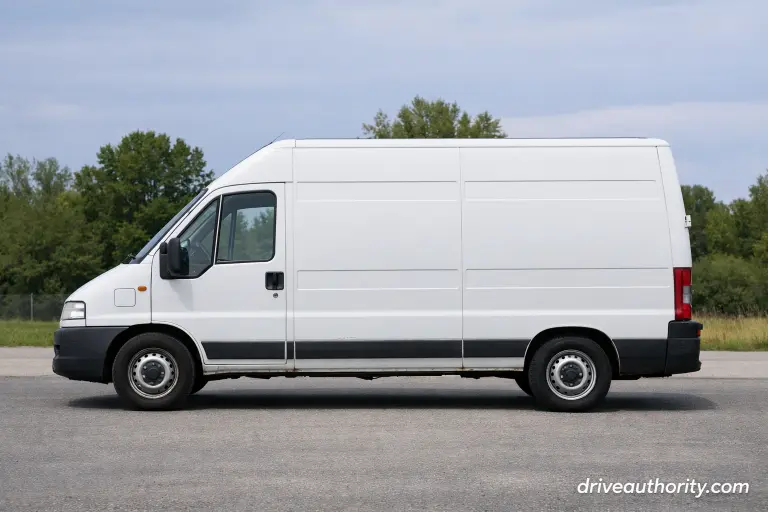
Panel van: The most common variant, featuring a completely enclosed cargo area with no rear windows. Perfect for secure tool storage and deliveries.
Minibus: Fitted with passenger seating and windows, typically used for small group transport or shuttle services.
Chassis cab: A bare chassis behind the cabin, allowing custom bodies to be fitted—popular for refrigerated units, tippers, and specialized commercial applications.
Roof heights: Low-roof versions for standard clearance and high-roof variants that let you stand inside the cargo area (crucial for certain trades).
Wheelbase options: Short and long wheelbase configurations affected cargo volume and maneuverability. In particular, short wheelbase handled city work better, while long wheelbase maximized load space.
Ultimately, most surviving examples are panel vans with high roofs—the combination that offered the best utility for the widest range of users.
3. Peugeot Boxer 1999 Engine Options & Performance
3.1 Diesel Engines Explained (Most Common Choices)
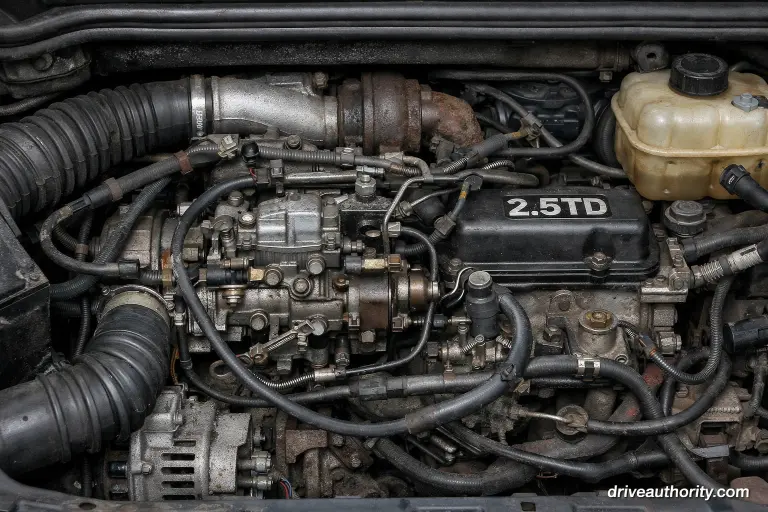
The Peugeot Boxer 1999 primarily came with naturally aspirated diesel engines that defined the era’s commercial vehicle approach—loud, slow to rev, but nearly indestructible when maintained.
1.9D (naturally aspirated): The entry-level diesel produced around 68-71 horsepower. Consequently, this engine struggled with fully loaded vans on highways but handled urban delivery routes adequately. Overall, it’s the most basic option and the cheapest to maintain, though genuinely underpowered by modern standards.
2.5D and 2.5TD (turbodiesel): The more common choice, offering 85-109 horsepower depending on the variant. Notably, the turbodiesel versions provided enough mid-range torque to make highway driving less painful. Moreover, these engines earned reputations for longevity—many examples exceed 300,000 kilometers with proper servicing.
In addition, the strength of these old-school diesels lies in their mechanical simplicity. Specifically, no common-rail injection systems, no DPF filters, no AdBlue. Instead, just indirect injection, mechanical fuel pumps, and components you can actually see and access. Therefore, when something breaks, you fix it with wrenches, not diagnostic computers.
3.2 Petrol Engine Availability (Rare but Worth Mentioning)
Peugeot offered petrol engines in the Boxer range, but they’re exceedingly rare in 1999 models. Clearly, most European commercial buyers chose diesel for its superior fuel economy and torque characteristics under load.
However, if you encounter a petrol Boxer 1999, expect fuel consumption in the 12-15 L/100km range compared to 8-11 L/100km for diesel versions. Additionally, the petrol engines also lacked the low-end torque that made diesel Boxers so effective for hauling cargo.
3.3 Driving Experience by Modern Standards
Driving a Peugeot Boxer 1999 feels like operating heavy machinery, not a passenger vehicle. For instance, the steering requires genuine physical effort at low speeds. Similarly, the gear lever moves through long, mechanical throws. Additionally, the clutch pedal demands leg strength.
Furthermore, acceleration from standstill takes patience—even the turbodiesel versions need 15-20 seconds to reach highway speeds when loaded. Meanwhile, cruising at 110 km/h produces constant diesel clatter and wind noise from seals that have aged poorly. As a result, the suspension crashes over bumps, transmitting every road imperfection directly to your spine.
In terms of urban driving, it involves constant gear changes and heavy clutch work in traffic. On the other hand, highway driving is noisy but stable, though the van wanders in crosswinds. Ultimately, this isn’t a vehicle you drive for pleasure—it’s a tool that gets work done.
4. Peugeot Boxer 1999 Specs (What You Actually Get)
4.1 Core Technical Specifications
Engine options:
- 1.9D: 68-71 hp, naturally aspirated diesel
- 2.5D: 85 hp, naturally aspirated diesel
- 2.5TD: 95-109 hp, turbodiesel
Transmission: 5-speed manual (most common). Some variants offered a 6-speed manual or automated manual transmission, though these are rare in 1999 models.
Drivetrain: Front-wheel drive across all variants
Payload capacity: 1,000-1,400 kg depending on configuration and wheelbase
Towing capacity: Up to 2,000 kg when properly equipped
Gross vehicle weight: Typically 3,300-3,500 kg depending on variant
4.2 Interior & Practical Specs
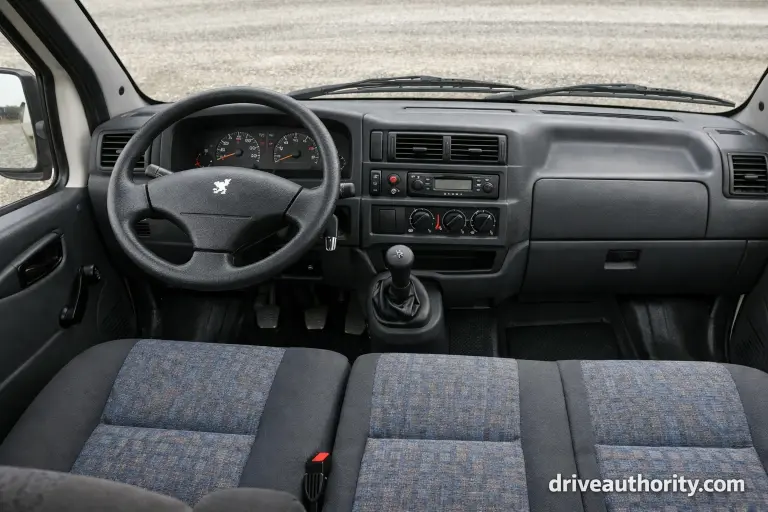
The Peugeot Boxer 1999 interior prioritizes function over comfort. Specifically, you sit high with good visibility but on seats designed for short-term use, not all-day comfort.
Seating: Two or three across the front bench. However, the middle seat is uncomfortable and usually folded to create a workspace surface.
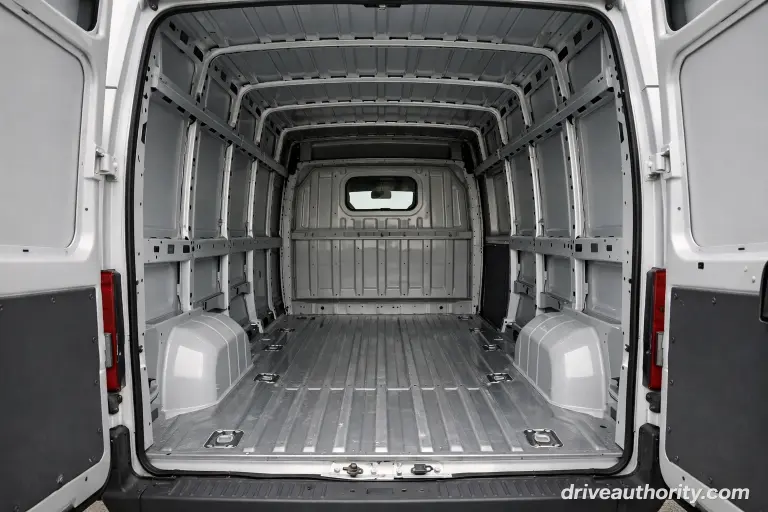
Cargo volume: High-roof long wheelbase versions offer up to 13 cubic meters of load space—enough for full sheets of plywood or multiple appliances.
Dashboard: Hard black plastic throughout. Notably, basic analog gauges for speed, fuel, and engine temperature. Furthermore, no tachometer in base models.
Comfort features: Manual windows, manual mirrors, basic heating (that works intermittently at best). Moreover, no air conditioning in most examples. Additionally, no power steering in some early variants.
Similarly, the cargo area features bare metal walls with minimal sound deadening. As a result, expect everything inside to rattle. Nevertheless, most vans include basic tie-down points but little else.
5. Peugeot Boxer 1999 Fuel Consumption (Real-World)
Official consumption figures from 1999 mean little today. In fact, real-world fuel economy depends heavily on engine choice, load, and driving conditions.
Expected consumption for diesel variants:
- 1.9D: 9-11 L/100km in mixed use
- 2.5D/TD: 8-10 L/100km in mixed use
- Highway-only: 7-9 L/100km with light loads
- Urban delivery with frequent stops: 11-13 L/100km
Furthermore, a fully loaded Peugeot Boxer 1999 climbing hills will easily exceed 12 L/100km regardless of engine. On the other hand, empty highway cruising can achieve 8 L/100km with the turbodiesel, but that’s the best-case scenario.
When compared to modern vans with Euro 6 engines and advanced aerodynamics, the Boxer 1999 consumes roughly 20-30% more fuel for equivalent work. However, modern vans also cost five times more to purchase.
6. Prices Today: How Much Does a Peugeot Boxer 1999 Cost?
6.1 Used Market Prices by Condition
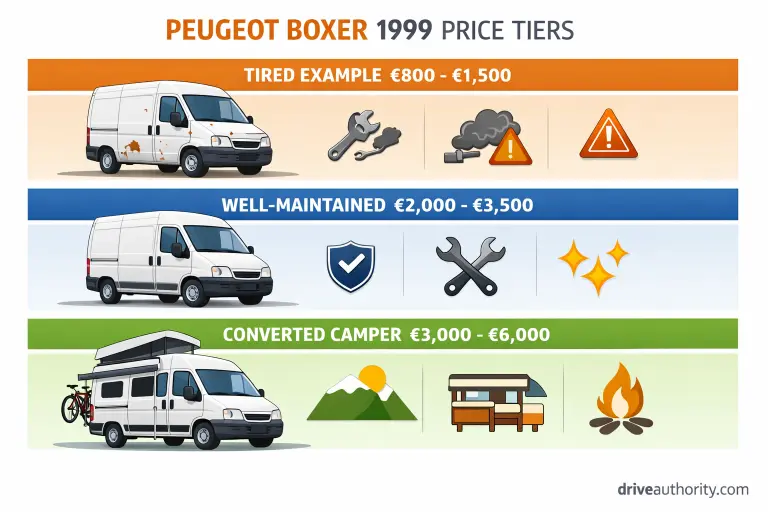
Running but tired examples (high mileage, visible wear): €800-€1,500. Specifically, these vans start and drive but need immediate work. Therefore, expect rust, mechanical issues, and interiors that smell of decades of work.
Well-maintained work vans (recent service history, lower mileage): €2,000-€3,500. In addition, still used for commercial purposes but properly maintained. Overall, these represent the sweet spot for buyers wanting reliable transportation.
Converted camper vans: €3,000-€6,000. Notably, someone already invested time and money into insulation, cabinetry, and electrical systems. However, you’re paying for their labor, though quality varies wildly.
6.2 Regional Price Differences
Western Europe: Higher prices due to stricter emissions enforcement pushing older diesels out of urban areas. For example, cities like Paris, London, and Berlin restrict or ban vehicles without modern emissions standards.
Southern and Eastern Europe: Lower prices and higher availability. In particular, less stringent enforcement means these vans remain viable for daily commercial use.
North Africa and Middle East: Strong export market for European commercial vehicles. Specifically, well-maintained examples command premium prices as they’re shipped to regions where emissions regulations don’t exist.
6.3 What Influences the Price Most
Mileage matters less than you’d think. Surprisingly, a Boxer with 400,000 km but complete service records often outlasts one with 200,000 km and no maintenance history. In fact, these diesel engines handle high mileage when properly maintained.
Rust condition determines value. Specifically, surface rust is manageable, however, structural rust in the chassis or floor means the van is near end-of-life. Therefore, always inspect underneath.
Engine choice: Turbodiesel versions command €500-€1,000 more than naturally aspirated variants due to better performance.
Maintenance history: Service records add significant value. Moreover, commercial vehicles often have documented maintenance from fleet management—this transparency helps buyers assess real condition.
7. Why the Peugeot Boxer 1999 Is So Cheap
7.1 Age and Emissions Regulations
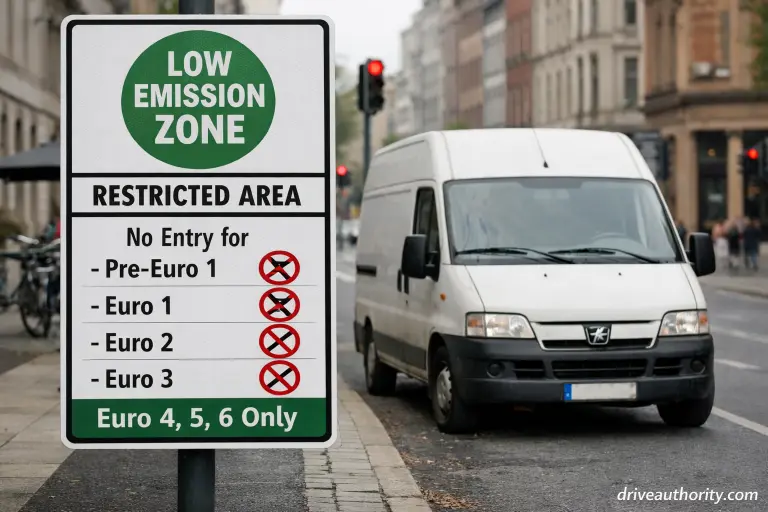
The primary reason for the Peugeot Boxer 1999’s low price is its obsolete emissions classification. Specifically, this van predates Euro 3 standards, making it illegal to drive in many European city centers.
For instance, London’s Ultra Low Emission Zone charges £12.50 per day for non-compliant vehicles. Similarly, Paris restricts Crit’Air 5 vehicles (which includes the Boxer 1999) from entering during weekdays. Meanwhile, German cities implement similar Umweltzones. As a result, these restrictions devastate resale value for urban operators who can no longer use the vehicle for its intended purpose.
Furthermore, as emissions zones expand, the usable geography for these vans shrinks. Consequently, what was once a nationwide work vehicle becomes limited to rural routes and countries without enforcement. Ultimately, this regulatory pressure floods the market with vans that remain mechanically sound but legally restricted. According to Transport & Environment’s emissions zone database, over 300 European cities now enforce some form of low-emission zone.
7.2 Lack of Modern Safety Features
The Peugeot Boxer 1999 offers minimal crash protection by contemporary standards. In particular, most variants lack:
- Airbags (or have only a driver’s airbag)
- ABS anti-lock brakes
- Electronic stability control
- Traction control
- Side-impact protection
- Crumple zones designed to modern standards
In a serious accident, the Boxer 1999 provides far less protection than any vehicle designed after 2005. Consequently, this safety gap significantly reduces buyer demand, especially for businesses concerned about liability and insurance coverage.
Moreover, insurance companies recognize this risk—premiums often reflect the vehicle’s age and safety deficiencies. In fact, some insurers refuse coverage entirely for commercial use of vehicles this old. The European New Car Assessment Programme (Euro NCAP) now requires safety features that simply didn’t exist when the Boxer 1999 was manufactured.
7.3 Comfort and Technology Gap
Modern vans offer power steering, air conditioning, Bluetooth connectivity, reversing cameras, and comfortable seating. In contrast, the Peugeot Boxer 1999 has none of these as standard.
For example, you operate manual windows with hand cranks. Similarly, you adjust mirrors by hand. Meanwhile, the heating system distributes hot air unevenly while making alarming noises. Additionally, there’s no infotainment system—many examples still have the original cassette player or a basic AM/FM radio.
However, this comfort deficit matters less for short trips but becomes genuinely unpleasant for drivers spending eight hours daily in the cab. As a result, younger tradespeople accustomed to modern amenities often refuse to operate these vans, which limits their appeal to fleet operators.
7.4 High Supply, Low Emotional Demand
Thousands of Peugeot Boxer vans from the late 1990s and early 2000s saturate the European used market. Specifically, these were fleet vehicles produced in high volumes and operated until economically unviable, then sold cheaply.
Unlike classic cars that attract collector interest, commercial vans generate zero emotional attachment. In fact, nobody dreams of owning a Boxer 1999. Rather, it’s purely a financial calculation—can this van perform work cheaper than alternatives?
Ultimately, this commodity status combined with oversupply creates rock-bottom prices. As a result, sellers compete to offload vans before they require expensive repairs, driving prices down further.
8. Reliability & Common Problems (Honest Ownership Reality)
8.1 Known Strengths of the Peugeot Boxer 1999
The fundamental mechanical design remains sound. In particular, the diesel engines use proven indirect injection technology that lacks the complexity of modern common-rail systems. Furthermore, when properly maintained with regular oil changes and fuel filter replacements, these engines routinely exceed 300,000 km.
Moreover, the simple mechanical layout means repairs don’t require specialized diagnostic equipment. Instead, a competent mechanic can troubleshoot problems using basic tools and visual inspection. Additionally, parts availability through the Fiat Ducato and Citroën Jumper ecosystem keeps replacement components affordable and accessible.
Similarly, the transmission, though not refined, is robust under normal use. Meanwhile, the front-wheel-drive system eliminates driveshaft and differential maintenance required by rear-wheel-drive competitors.
8.2 Common Problems to Watch For
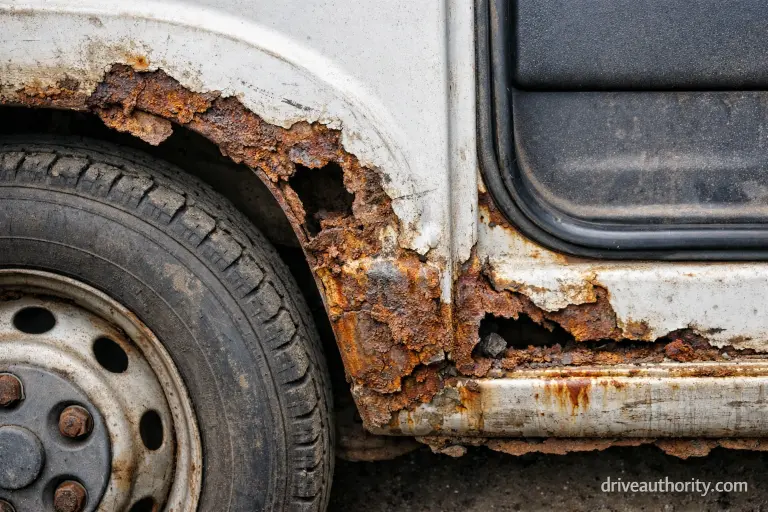
Rust: The primary killer of Boxer 1999 vans. Specifically, check wheel arches, door sills, the floor pan, and chassis rails. Furthermore, surface rust spreads rapidly in vehicles stored outdoors. Ultimately, structural rust renders the van unsafe and uneconomical to repair.
Clutch wear: Heavy commercial use destroys clutches. Therefore, expect replacement every 100,000-150,000 km in work vans. However, replacement costs €300-€500 for parts and labor.
Gearbox issues: Synchronizers wear, making gear selection difficult when cold. In particular, second gear particularly suffers. Although drivable, this deteriorates over time and eventually requires gearbox rebuilding.
Electrical aging: Corroded connectors cause intermittent electrical problems. For instance, dashboard lights fail, starter motors develop issues, and alternator brushes wear out. While these problems are individually cheap to fix, they accumulate frustratingly.
Cooling system leaks: Radiators corrode internally, hoses become brittle, and water pumps develop leaks. Importantly, overheating causes catastrophic engine damage, so address cooling problems immediately.
Suspension wear: Ball joints, bushings, and shock absorbers wear faster under commercial loads. As a result, expect replacement every 80,000-100,000 km.
8.3 Parts Availability & Repair Costs
The Peugeot Boxer’s shared platform with Fiat and Citroën ensures parts remain available through multiple channels. In particular, OEM parts from Peugeot cost more but fit perfectly. However, aftermarket alternatives from Fiat Ducato sources often cost half as much with acceptable quality.
Basic maintenance remains cheap:
- Oil change: €40-€60
- Brake pads (front): €50-€80
- Fuel filter: €15-€25
- Timing belt replacement: €300-€500
On the other hand, major repairs cost less than modern vans but happen more frequently:
- Clutch replacement: €300-€500
- Starter motor: €150-€250
- Alternator: €180-€300
- Water pump: €100-€200
Ultimately, the trade-off is clear—individual repairs cost less, but you’ll perform them more often than with a newer vehicle.
9. Ownership Costs: Is It Really Cheap to Run?
Insurance: Third-party coverage costs €300-€600 annually depending on location and driving history. However, comprehensive coverage often isn’t economically justifiable given the vehicle’s value.
Maintenance frequency: Budget €600-€1,200 annually for routine maintenance and minor repairs in a well-maintained example. In contrast, neglected vans can easily demand €2,000+ annually in catch-up maintenance.
Fuel costs: At current European diesel prices and 10 L/100km average consumption, driving 15,000 km annually costs approximately €2,400 in fuel.
Unexpected repair risk: The gamble with any 25-year-old vehicle. Specifically, one major failure (engine, gearbox) can cost more than the van’s value. As a result, this makes the Boxer 1999 unsuitable for anyone without backup transportation or mechanical ability.
When comparing total ownership costs to a 10-year-old van costing €8,000-€12,000, the Boxer 1999 only makes financial sense if you accept higher maintenance frequency and can perform basic repairs yourself. Ultimately, for buyers paying shop rates, the savings evaporate quickly.
10. Peugeot Boxer 1999 vs Modern Budget Vans
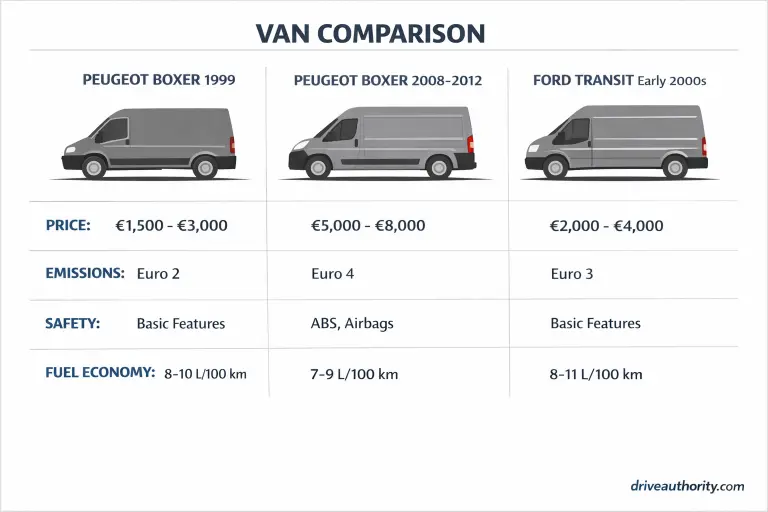
10.1 Boxer 1999 vs 2008–2012 Boxer
A second-generation Boxer from 2008-2012 costs €5,000-€8,000 but delivers substantial improvements:
- Euro 4 or Euro 5 emissions (fewer city restrictions)
- Better safety (airbags, ABS standard)
- More refined driving experience
- Modern diesel efficiency
Importantly, the newer Boxer justifies its price premium for anyone operating in urban areas or requiring insurance coverage. However, it introduces complexity that increases repair costs—DMFs, DPFs, and electronic systems that fail expensively.
10.2 Boxer 1999 vs Used Ford Transit (Early 2000s)
The Ford Transit from 2000-2006 offers similar age and price points with comparable reliability. Specifically, Transits often have better parts availability in the UK and Ireland, while Boxers benefit from the Fiat partnership in continental Europe.
Ultimately, neither holds a clear advantage—choose based on local parts availability and which model has better maintenance history.
10.3 Is the Price Difference Worth It?
For commercial operators with urban routes, the €5,000-€7,000 premium for a 2010-era van pays itself back through accessibility and lower maintenance frequency.
On the other hand, for rural operations, DIY mechanics, or occasional use, the Boxer 1999 remains viable if purchased well and maintained proactively.
11. Best Use Cases for the Peugeot Boxer 1999
Trades and construction in rural areas: Electricians, plumbers, and builders operating outside emissions zones benefit from low purchase cost and adequate cargo capacity.
Delivery and utility work: Light delivery services in unrestricted areas can operate economically with proper maintenance planning.
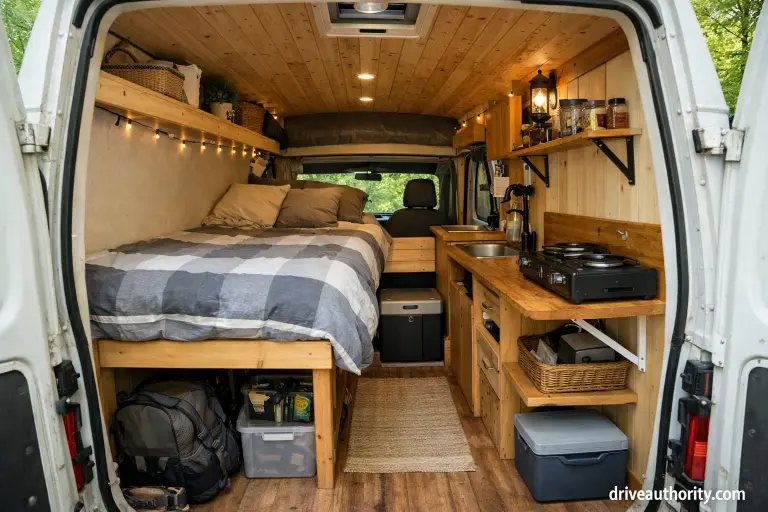
Camper van conversions: The low purchase price allows budget conversions. In fact, even after spending €2,000 on conversion materials, total investment remains under €5,000.
Rural or off-grid usage: Small farms, landscaping businesses, and rural trades where emissions regulations don’t apply.
Who should not buy one:
- Anyone requiring daily reliability without mechanical knowledge
- Urban operators facing emissions restrictions
- Businesses needing modern safety standards for insurance
- Drivers prioritizing comfort on long journeys
- Anyone unable to absorb unexpected repair costs
12. Pros & Cons at a Glance (Peugeot Boxer 1999)
Pros
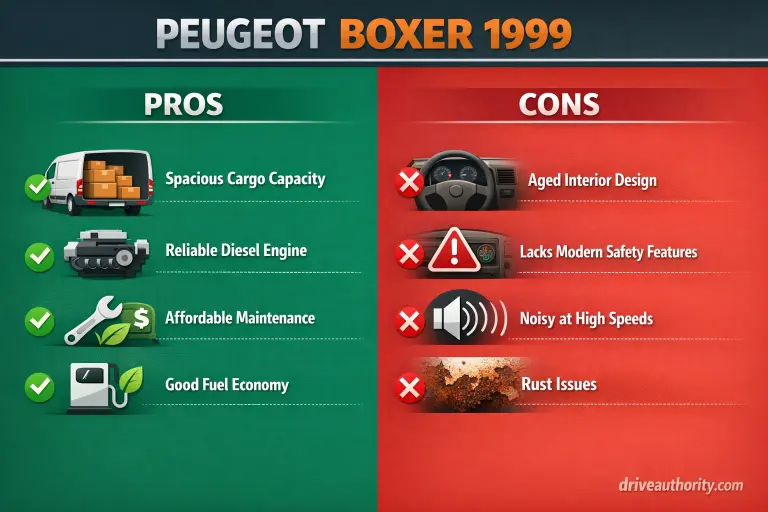
- Extremely low purchase price: €1,000-€3,500 buys functional transportation
- Simple mechanical design: Repairs don’t require specialized diagnostics
- Strong load capacity: 1,000+ kg payload handles most commercial needs
- Widely available parts: Fiat Ducato/Citroën Jumper parts ecosystem
- Proven diesel reliability: Engines regularly exceed 300,000 km with maintenance
- Ideal camper conversion base: Low investment risk for DIY projects
Cons
- Poor safety by modern standards: Minimal crash protection and safety features
- Aging reliability risks: 25-year-old components fail unpredictably
- Comfort and noise issues: Exhausting for long-distance or daily driving
- Emissions restrictions in cities: Illegal in many European urban zones
- Hidden maintenance costs: Cheap purchase price masks ongoing repair expenses
- Rust vulnerability: Structural corrosion renders many examples unsafe
13. Verdict: Should You Buy a Peugeot Boxer 1999 Today?
The Peugeot Boxer 1999 makes sense for specific buyers in specific circumstances—and almost nobody else.
Buy one if: You operate exclusively in rural areas without emissions enforcement, possess mechanical skills to handle repairs, need cargo capacity more than comfort, and can absorb potential repair costs without financial stress. In this case, the Boxer 1999 delivers functional utility at minimum cost when expectations remain grounded.
Avoid it if: You operate in urban areas, require reliable daily transportation without backup options, lack mechanical knowledge, need modern safety features for insurance purposes, or expect anything resembling modern vehicle refinement.
Ultimately, the real question isn’t whether the Peugeot Boxer 1999 is cheap—it obviously is. Rather, the question is whether that cheapness represents value or merely delayed expense. For buyers who understand exactly what they’re purchasing and why, these vans still perform honest work. However, for everyone else, spending more on a newer alternative prevents considerably more frustration.
In 2025, the Boxer 1999 exists in a narrowing niche—viable for the right buyer, but increasingly marginal as emissions zones expand and safety standards rise. Therefore, purchase one with clear eyes about its limitations, or spend more for something that won’t constantly remind you why it cost so little.
14. FAQ: Peugeot Boxer 1999 Buyer Questions
Is the Peugeot Boxer 1999 reliable?
The engines and transmissions prove reliable when properly maintained. However, at 25+ years old, ancillary components fail regularly—electrical systems, cooling components, and suspension parts. Therefore, reliability depends more on previous maintenance than the design itself.
How many kilometers can a 1999 Boxer last?
The diesel engines routinely exceed 300,000 km with documented maintenance. In fact, examples approaching 500,000 km exist. However, rust and structural deterioration typically kill the vehicle before the engine fails.
Is it good for camper conversion?
Yes, particularly high-roof long-wheelbase variants. Moreover, the low purchase price limits financial risk if the conversion doesn’t meet expectations. Nevertheless, budget for rust treatment and mechanical refurbishment before beginning interior work.
Are parts still available?
Yes, through Peugeot, Fiat, and Citroën channels plus aftermarket suppliers. Specifically, the shared platform ensures parts remain accessible and affordable. Furthermore, mechanical components present no supply problems, however, body panels and trim pieces are harder to source.
Can it be used daily?
Mechanically capable but practically challenging. In particular, lack of comfort features, poor refinement, and unpredictable maintenance needs make daily use frustrating. Overall, acceptable for short commutes or work routes, exhausting for anything more.
Is it allowed in low-emission zones?
Generally no. Specifically, the Boxer 1999 fails to meet Euro 3 standards required for most European urban emissions zones. Therefore, check specific city regulations, but plan on being restricted from major urban centers across Western Europe.