Short answer: GAC Group vehicles are not legally sold, supported, or serviced in the United States or Canada.
GAC Group is a Chinese state-owned automotive manufacturer that most American buyers have never heard of—and for good reason. While GAC Group builds millions of vehicles annually in China and has partnerships with Toyota and Honda for the Chinese market, the company has virtually no official presence in the United States or Canada, making it nearly impossible for North American buyers to purchase, service, or insure their vehicles legally. The core issue isn’t whether GAC makes decent cars; it’s that the infrastructure to own one simply doesn’t exist in North America yet.
What GAC Group Actually Is (And Why That Matters for US Buyers)
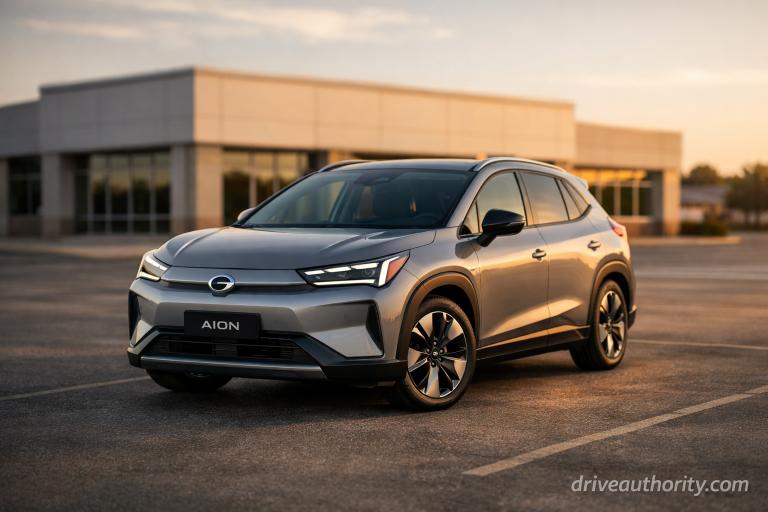
GAC Group—officially Guangzhou Automobile Group—is one of China’s largest automakers, operating multiple sub-brands including GAC Motor (their self-branded vehicles), GAC Aion (electric vehicles), and joint ventures with Toyota, Honda, and others. Think of it like General Motors in China: massive production capacity, diverse brand portfolio, strong domestic sales.
The problem for US and Canadian buyers is simple: GAC Group currently has no authorized dealer network, no certified service centers, and no official import channels in North America. Unlike Chinese EV brands that have entered global markets, GAC has repeatedly delayed or cancelled US market entry plans since 2019.
This means even if you find a way to import a GAC vehicle privately, you’re looking at zero warranty coverage, no replacement parts pipeline, potential registration issues, and insurance companies that may refuse to cover a vehicle they can’t properly appraise or repair. The company sold over 2.5 million vehicles in 2023—all within China and select Asian markets.
Why Most People Misunderstand GAC Group’s Market Position
The confusion around GAC Group comes from mixing up different types of Chinese automakers. Some buyers see GAC’s partnership with Toyota and Honda and assume that means GAC vehicles meet the same quality standards or have the same support infrastructure. That’s not how joint ventures work—those partnerships produce Toyota and Honda models for Chinese customers, not GAC-branded vehicles for global sale.
Other shoppers confuse GAC with Chinese brands like BYD or MG that actually sell cars in multiple countries outside China. The reality is GAC Group remains overwhelmingly focused on the Chinese domestic market.
What actually matters for a car brand isn’t just whether they build good vehicles—it’s whether they’ve built the sales, service, and support ecosystem that makes ownership practical. GAC Group hasn’t done that work in North America yet.
How GAC Group Compares to Other Chinese Brands
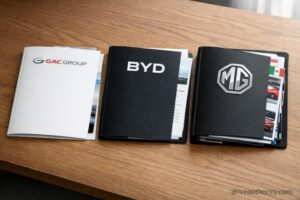
Understanding where GAC Group stands compared to other Chinese automakers helps clarify why infrastructure matters more than brand recognition.
| Brand | Sold in US/Canada | Dealer Network | Legal Registration |
|---|---|---|---|
| GAC Group | ❌ No | ❌ None | ❌ Difficult |
| BYD | ⚠️ Limited | ⚠️ Commercial focus | ⚠️ Restricted |
| MG | ❌ US / ✅ Mexico | ✅ Regional (where sold) | ✅ Where sold |
This comparison matters because many buyers research GAC Group alongside other Chinese EV manufacturers. Understanding which brands have actual North American infrastructure helps you focus your search on realistic options rather than theoretical possibilities.
Secondary Factors (Not the Main Cause)
Beyond the lack of dealer and service infrastructure, a few other issues complicate GAC Group ownership in the US and Canada:
Regulatory compliance: GAC vehicles aren’t certified to meet US EPA emissions standards, NHTSA crash safety requirements, or Canadian federal motor vehicle safety standards. This makes legal registration difficult or impossible in most states and provinces.
Technology compatibility: GAC’s infotainment systems, navigation, and connected services are designed for Chinese networks and may not function properly with North American cellular infrastructure or mapping data.
Resale value uncertainty: Without an established market presence, determining fair value for a used GAC vehicle becomes nearly impossible, which impacts insurance coverage and eventual resale options.
These aren’t dealbreakers if the core infrastructure existed, but they compound the fundamental ownership challenges.
How to Tell If GAC Group Vehicles Are Relevant to Your Search
You should only seriously consider GAC Group vehicles if:
- You’re currently living in China or Southeast Asian markets where GAC has official distribution
- You’re researching Chinese automotive industry trends rather than shopping for a personal vehicle
- You’re a commercial fleet buyer exploring future import opportunities (and have legal/regulatory specialists on staff)
- You’re tracking which Chinese automakers might eventually enter the North American market
You should look elsewhere if:
- You need a car you can actually buy, register, and service in the US or Canada this year
- You want warranty protection and manufacturer support
- You need a vehicle your insurance company will cover without complications
- You’re comparing options like affordable Chinese EVs that are actually sold internationally
The simple test: can you name a GAC dealership within driving distance? If not, this brand isn’t a realistic option yet.
Practical, Safe Next Steps

If you’re interested in Chinese automakers with actual North American potential: Research brands that have announced concrete US entry plans or already sell in Mexico/Canada. BYD has been expanding globally, though US availability remains limited. MG sells in Mexico and some global markets. Focus on brands with established international operations.
If you’re shopping for an EV or affordable vehicle right now: Stick with manufacturers that have certified dealers in your area. That might mean established Chinese brands sold in your market, or it might mean traditional automakers with strong dealer networks. The key is ensuring parts, service, and warranty support exist where you live.
If you’re in California or another state with private import options: Understand that importing a GAC vehicle privately (if you can even arrange shipping) means accepting full responsibility for legal compliance, safety certification, emissions testing, and ongoing maintenance. Private import costs typically range between $15,000–$30,000+ beyond the vehicle purchase price and still may not result in legal registration. Consult an import specialist or customs broker before spending anything.
If you’re tracking future automotive market trends: Monitor GAC Group’s international expansion announcements, but recognize the company has previously announced and then postponed US market entry multiple times. Actual vehicle sales in North America require years of regulatory work, dealer network development, and infrastructure investment—not just corporate press releases.
For Canadians specifically: Some Chinese automakers have explored Canadian market entry as a potential stepping stone to the US, but GAC Group has shown limited concrete activity in this direction. The same infrastructure challenges apply.
When to Consider Expert Help
If you’re seriously exploring Chinese automotive brands for business purposes—fleet operations, import/export opportunities, or market research—consult with automotive industry analysts who specialize in Asian markets and international trade regulations. Organizations like the Asia Pacific Foundation or trade consultants familiar with both Chinese manufacturing and North American automotive regulations can provide current market intelligence.
For personal vehicle purchases, speak with dealers who actually sell and service Chinese-brand vehicles in your market, even if they’re not GAC. Understanding the real-world ownership experience of brands like MG or BYD (where legally sold) gives you a realistic baseline for what Chinese automaker ownership involves.
Frequently Asked Questions About GAC Group
Can you buy GAC cars in the US? No. GAC Group does not sell vehicles legally in the United States. The company has no authorized dealers, certified service centers, or regulatory approvals for US road use.
Is GAC Group the same as Toyota or Honda? No. GAC Group has joint ventures with Toyota and Honda to manufacture their vehicles for the Chinese market, but GAC-branded vehicles are separate products without Toyota or Honda backing or quality guarantees.
Why hasn’t GAC Group entered the US market? GAC Group has announced and postponed US market entry plans multiple times since 2019. Entering North America requires years of regulatory compliance work, dealer network development, and infrastructure investment that the company has not yet completed.
Are GAC vehicles reliable? GAC Group produces millions of vehicles annually in China with varying quality levels across different models. However, without US dealer support, warranty coverage, or parts availability, reliability becomes a secondary concern to basic ownership practicality.
Can I import a GAC car from China? Technically possible but highly impractical. You would face $15,000–$30,000+ in import and compliance costs, potential registration denial, insurance difficulties, zero warranty support, and no authorized service network.
Final Takeaway
GAC Group represents the complexity many American and Canadian buyers face when researching Chinese automotive brands: a major manufacturer with genuine capability that simply hasn’t built the infrastructure needed for practical North American ownership. The question isn’t whether GAC makes competitive vehicles—they produce millions annually with partnerships that include Toyota and Honda. The question is whether you can realistically buy, register, insure, and maintain one where you live.
For the vast majority of US and Canadian buyers right now, the answer is no. That could change if GAC Group commits to a serious North American market entry with proper dealer networks and regulatory compliance, but until then, focus your vehicle search on manufacturers with established local presence.
If a car brand has no dealers, no parts pipeline, and no regulatory approval in your country, it is not a realistic ownership option—regardless of build quality.
Understanding which Chinese brands actually operate in your market will save you time, money, and frustration compared to chasing brands that sound interesting but offer no practical path to ownership. The clearer you are about what infrastructure you need—dealers, parts, service, warranty—the better decision you’ll make, whether that’s a Chinese brand that’s actually available, an established automaker with strong support, or waiting for GAC Group to eventually build that North American presence.
If you’re comparing Chinese automakers that actually sell outside China, see our comprehensive guide to Chinese EV brands available internationally.