Last Verified: March 2026
The Kia EV6 vs Hyundai Ioniq 6 comparison is the most interesting same-platform question in the EV market right now — because the correct answer is not “they’re basically the same car, buy the cheaper one.” They share the E-GMP platform, 800V charging architecture, and battery options. However, the driving experience, body style, rear passenger space, and range performance diverge meaningfully enough that buying the wrong one for your lifestyle is a real and avoidable mistake. I’ve driven both back-to-back, and the differences are immediately obvious behind the wheel.
What This Comparison Will Actually Tell You
This article covers real-world range, pricing at equivalent trim levels, exterior and interior design trade-offs, cargo and passenger practicality, and the buyer profile each vehicle genuinely suits. The spec sheet comparison is straightforward. The part that requires judgment — specifically, which trade-offs matter for how you actually use a car — is where this guide earns its place.
Kia EV6 vs Hyundai Ioniq 6 — Quick Verdict:
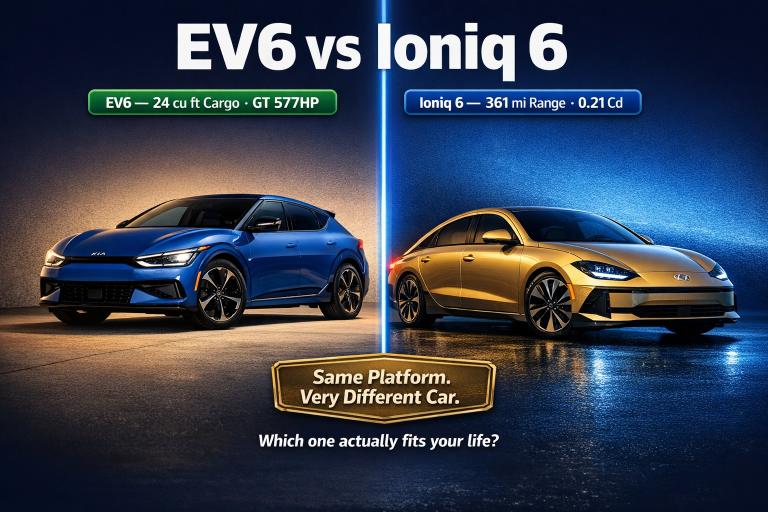
Both share the E-GMP 800V platform. However, the Ioniq 6 wins on range — specifically 361 miles EPA (RWD Long Range) vs. 310 miles for the EV6 equivalent — thanks to a lower 0.21 drag coefficient. The EV6 wins on cargo utility (24.4 cu ft vs. 11.1 cu ft trunk), rear headroom, and crossover body style versatility. Choose the Ioniq 6 for maximum range and highway efficiency. Choose the EV6 for practicality, body style preference, and the GT performance option.
Quick Verdict: EV6 or Ioniq 6 — Which Is Right for You?
The mistake I see buyers make repeatedly is treating these as interchangeable because the platform is shared. They aren’t. The Ioniq 6 is a range-optimized aerodynamic fastback with a sedan-style trunk and a rear roofline that costs tall passengers real headroom. The EV6 is a crossover hatchback with significantly more cargo space and a more conventional body style that doesn’t require passengers to duck on entry. Both are technically excellent. However, they genuinely suit different buyers.
✅ Choose the Kia EV6 If You…
- Want a crossover body style with lifted ride height
- Regularly carry rear adult passengers who need headroom
- Need cargo flexibility — the hatchback loads 24.4 cu ft
- Want the GT variant’s 577 hp performance ceiling
- Prefer conventional design that doesn’t divide opinion
✅ Choose the Hyundai Ioniq 6 If You…
- Maximum EPA range is your #1 buying criterion
- The streamback fastback design genuinely appeals to you
- You primarily drive solo or with one passenger
- Highway efficiency and lowest per-mile energy cost matters
- You want the most range per dollar at the RWD LR trim
What They Share: The E-GMP Platform Explained Simply
The “same platform, different car” framing in this article’s title is accurate — but the word “different” is doing real work. Understanding what E-GMP sharing actually means for your ownership experience resolves the confusion before the comparison sections carry full weight.
What E-GMP Sharing Actually Means for Buyers
The shared components are genuinely significant. Both vehicles offer the same 58 kWh (Standard Range) and 77.4 kWh (Long Range) battery pack options, the same front/rear/AWD motor configurations, and the same 800V ultra-fast charging architecture. As a result, both cars charge at up to 350 kW peak DC rate — the fastest charging capability available in their price bracket in 2026. Neither car is penalized by the platform on charging hardware. What’s specifically not shared, however, is everything that matters for daily use: the body structure above the platform, suspension calibration, steering weight, interior design, and the cargo architecture that results from each body style choice. The house built on this shared foundation is genuinely different.
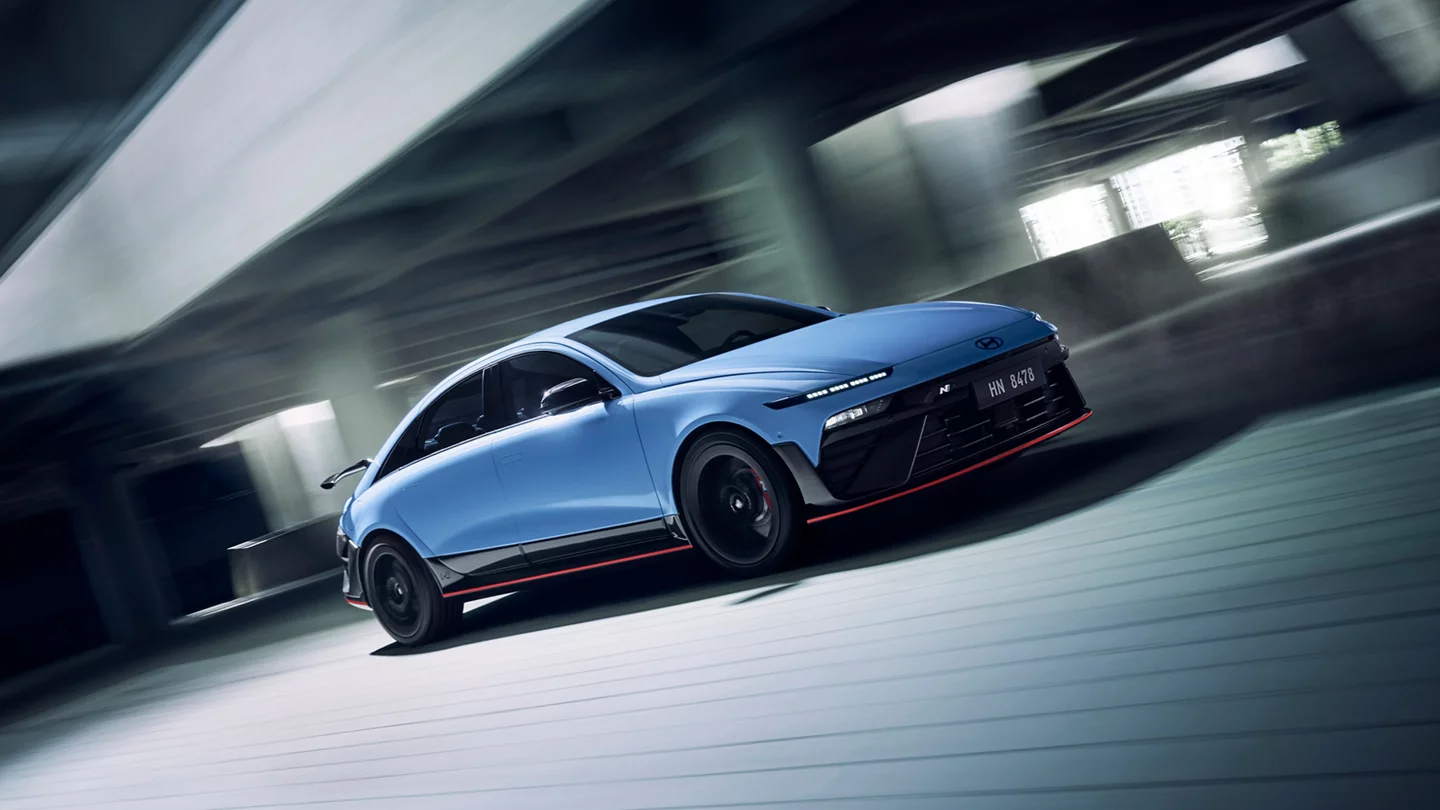
800V Charging: The Shared Advantage That Makes Both Cars Stand Out
Both vehicles can charge at 350 kW peak DC, meaning a 10–80% charge takes approximately 18 minutes under ideal conditions. By contrast, most 400V competitors — including the Tesla Model 3 and the Chevrolet Equinox EV — charge at 170–250 kW maximum, resulting in noticeably longer stop times on road trips. In practice, the Ioniq 6 tends to charge slightly faster than the EV6 in independent tests, because its larger usable state-of-charge window and lower energy consumption mean it arrives at charging stations less depleted. NACS adapter access is confirmed for both Kia and Hyundai vehicles in 2026, therefore both cars can use Tesla Superchargers with the appropriate adapter — a meaningful network expansion for non-Tesla EV owners.
Range and Efficiency: Where the Ioniq 6 Pulls Ahead
The Ioniq 6’s range advantage over the EV6 is the most important technical differentiator in this comparison. And it’s not close — specifically at the RWD Long Range trim that most buyers actually purchase. Here’s the honest data behind that gap.
EPA Range Comparison: RWD and AWD Configurations
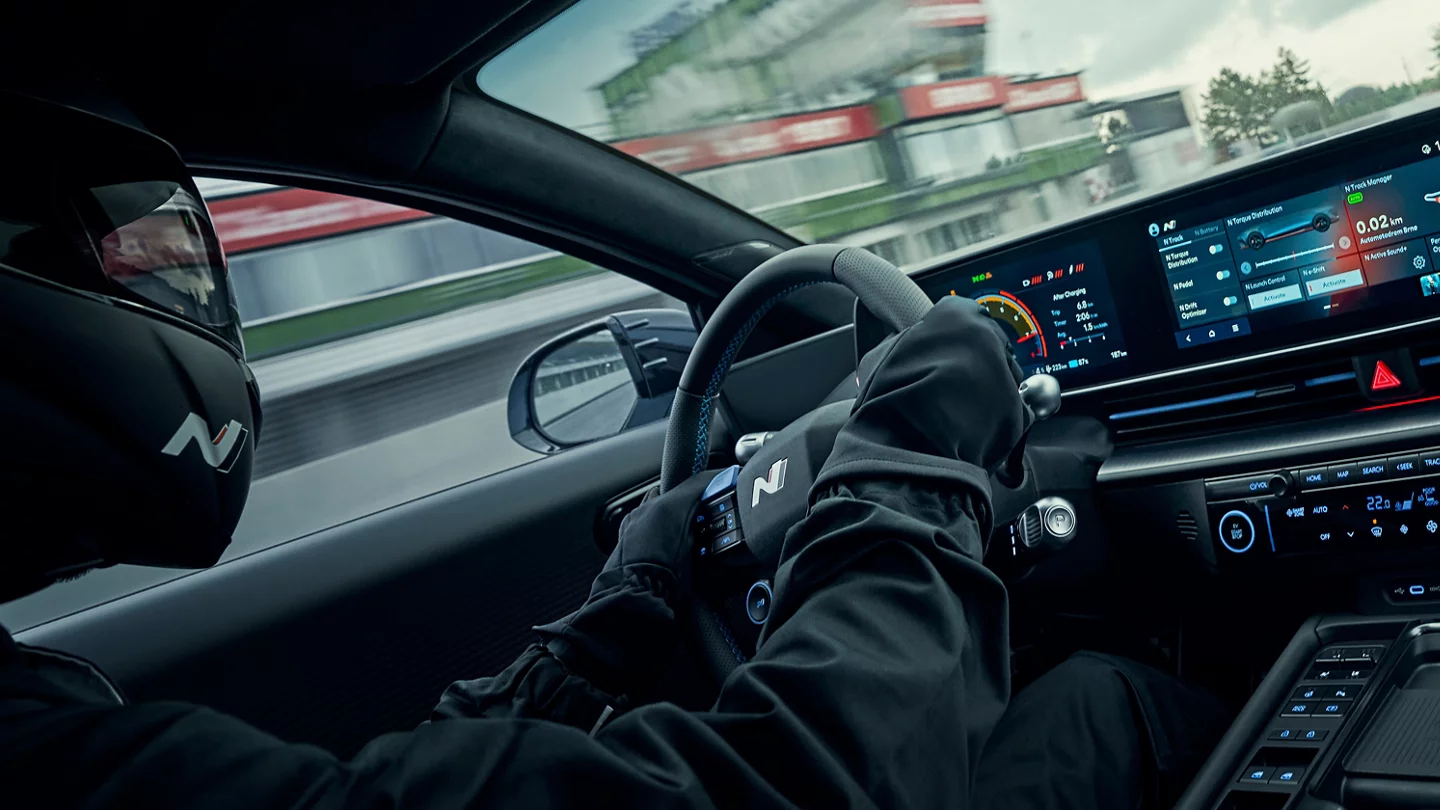
According to EPA fueleconomy.gov data, the Hyundai Ioniq 6 RWD Long Range delivers 361 miles of certified range. The Kia EV6 Wind RWD Long Range delivers 310 miles — a 51-mile difference on the same battery pack. That gap is entirely attributable to aerodynamics: the Ioniq 6’s 0.21 Cd drag coefficient against the EV6’s approximately 0.28 Cd. At the AWD configuration, the gap narrows — Ioniq 6 AWD Long Range returns 266 miles vs. EV6 GT-Line AWD at 274 miles — because the AWD drivetrain partially offsets the Ioniq 6’s aerodynamic advantage. In practice, that 51-mile gap on RWD Long Range means the Ioniq 6 owner adds one fewer DC fast charging stop on a 600-mile road trip. That’s not trivial, specifically for buyers who do regular long-distance driving.
Why the Ioniq 6 Is More Efficient: Aerodynamics as Architecture
The Ioniq 6’s 0.21 Cd places it among the most aerodynamic production cars ever built — specifically lower than the Lucid Air (0.197) and the Tesla Model S (0.208), both of which were designed with aerodynamic efficiency as a primary objective. The EV6’s crossover profile achieves approximately 0.28 Cd, which is competitive for a crossover but cannot close the gap to a purpose-built streamback sedan. As a result, the Ioniq 6 achieves approximately 4.3 miles per kWh at combined cycle vs. the EV6’s approximately 3.8 miles per kWh on the 77.4 kWh pack. What that means for you: lower per-mile energy cost, longer range between stops, and slightly lower charging frequency over a year of ownership. The trade-off, however, is real and worth stating plainly — the fastback roofline that produces the Cd 0.21 is the same roofline that penalizes rear passenger headroom.
← Scroll to see full table on mobile
| Metric | Kia EV6 | Hyundai Ioniq 6 | Edge |
|---|---|---|---|
| EPA Range — RWD Long Range | 310 miles | 361 miles +51 MI | Ioniq 6 |
| EPA Range — AWD Long Range | 274 miles SLIGHT EDGE | 266 miles | EV6 (marginal) |
| Real-World Highway Est. | ~255–275 miles | ~295–315 miles BETTER | Ioniq 6 |
| Efficiency (mi/kWh) | ~3.8 mi/kWh | ~4.3 mi/kWh BETTER | Ioniq 6 |
| Drag Coefficient (Cd) | ~0.28 Cd | 0.21 Cd LOWER | Ioniq 6 |
| Peak DC Charge Rate | 350 kW | 350 kW | Tied |
Price, Trims, and Value: What Each Budget Actually Buys
The Ioniq 6 enters at a lower MSRP than the EV6, and at the Long Range RWD trim that most buyers target, it delivers more range per dollar than any direct competitor. The EV6 costs more at equivalent specification — however, it offers the GT performance variant and the cargo utility that the Ioniq 6 structurally cannot provide. Here’s where the money goes in 2026.
Kia EV6 Trim Structure and 2026 Pricing
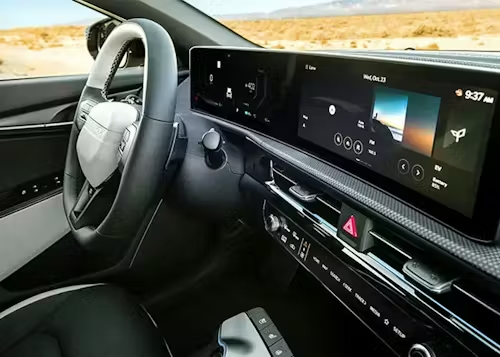
The 2026 EV6 lineup starts with the Light trim at approximately $42,600 (Standard Range RWD, 236 miles EPA). The volume-selling Wind trim at approximately $46,900 delivers Long Range RWD and 310 miles EPA — the configuration most buyers actually purchase. The GT-Line AWD at approximately $49,900 adds all-wheel drive and 274 miles. The GT at approximately $63,900 is the performance variant — 577 hp, 3.4 seconds 0–60 mph, and 206 miles EPA. Federal tax credit eligibility for the EV6 in 2026 depends on assembly location and trim MSRP — specifically, the EV6 is assembled in Korea, which affects IRA domestic assembly requirements. Check IRS.gov for current eligibility before assuming a credit applies, as assembly requirements and income caps are subject to policy change.
Hyundai Ioniq 6 Trim Structure and 2026 Pricing
The Ioniq 6 starts at approximately $38,615 (Standard Range RWD, 240 miles EPA) — a meaningful price advantage at the entry point versus the EV6. The SE Long Range at approximately $41,450 delivers 361 miles EPA and is specifically the strongest value proposition in the segment: 361 miles of range at under $42,000 is a combination no competitor offers in 2026. The SEL at approximately $43,950 adds premium features, and the Limited at approximately $53,635 brings the full technology package including digital side mirrors and a panoramic roof. Ioniq 6 federal tax credit eligibility also depends on assembly location — Hyundai has moved production to its Georgia facility for some variants, which improves IRA domestic assembly compliance. Verify current trim eligibility at IRS.gov before completing your purchase decision, as eligibility can differ by trim and model year update cycle.
← Scroll to see full table on mobile
| Tier | Kia EV6 Trim / MSRP | Ioniq 6 Trim / MSRP | Battery | Key Differentiator |
|---|---|---|---|---|
| Entry | Light ~$42,600 | SE ~$38,615 LOWER | 58 kWh SR | Ioniq 6 $4K cheaper at entry |
| Volume / LR RWD | Wind ~$46,900 | SE LR ~$41,450 +51 MI RANGE | 77.4 kWh LR | Ioniq 6: more range, lower price |
| Mid / AWD | GT-Line ~$49,900 | SEL ~$43,950 | 77.4 kWh LR | EV6 slightly more AWD range |
| Top / Premium | GT ~$63,900 577 HP | Limited ~$53,635 | 77.4 kWh LR | EV6 GT: performance ceiling |
Design, Interior, and the Experience of Living With Each Car
This is the section that actually closes the comparison for most buyers — because at equivalent trim levels, both cars are technically excellent and the price gap is manageable. The decision therefore comes down to body style identity, rear passenger usability, and cargo reality. None of those factors favor the same vehicle.
Exterior Design: Two Different Statements on the Same Foundation
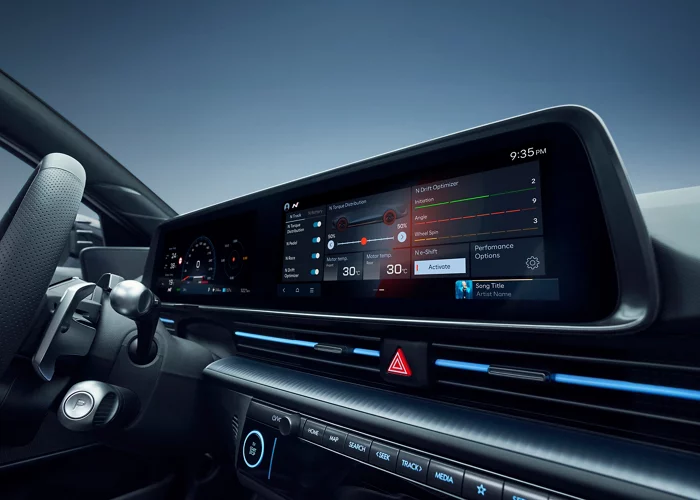
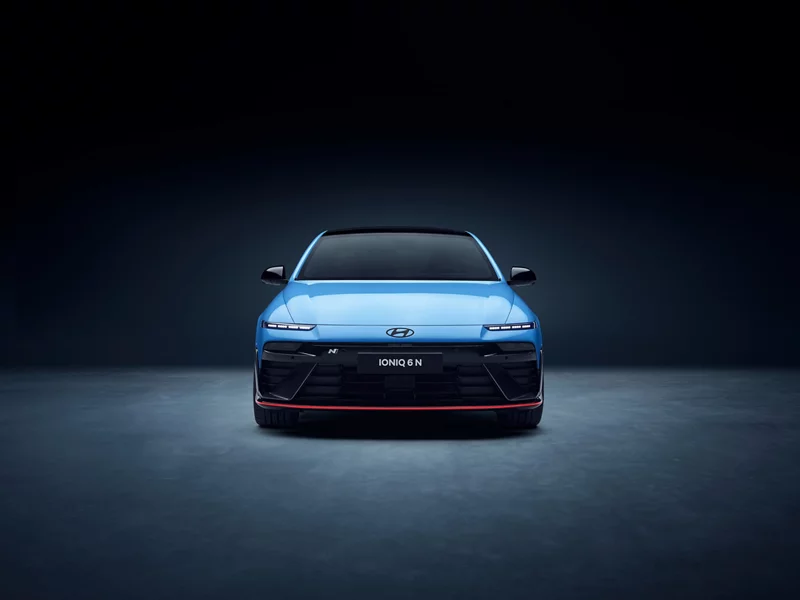
The EV6’s crossover silhouette is elevated, conventionally styled, and broadly appealing — it reads as a modern hatchback to most observers and doesn’t generate the polarized reactions the Ioniq 6 reliably does. By contrast, the Ioniq 6’s streamback body is genuinely unlike anything else at this price point. When I first drove it, the first thing I noticed was how many people stopped to look at it in parking lots — specifically in a way the EV6 never prompted. That’s the Ioniq 6’s design proposition: genuinely distinctive, and the aerodynamic shape that produces the 0.21 Cd is visible in every panel line. Admittedly, for buyers who use their car for work travel or prefer anonymity, the Ioniq 6’s visual distinctiveness can be a constraint rather than an asset.
Interior Quality, Cabin Space, and Cargo Reality
Front cabin quality is excellent in both vehicles at equivalent trim levels — there is no meaningful build quality gap. The EV6 uses a dual-screen layout with a more conventionally laid-out center stack; the Ioniq 6’s interior is more design-forward with a wider, lower console and a slightly more horizontal dashboard. Both are well-resolved. The rear cabin is where the gap opens. Specifically, the Ioniq 6’s fastback roofline introduces a meaningful rear headroom reduction — passengers above 5’10” will notice the head clearance restriction on entry and during seated posture. The EV6’s crossover roofline, by contrast, presents no rear headroom issue. That matters directly for regular family use or ride-sharing scenarios.
The cargo gap, however, is the most dramatic practical difference in this comparison. The EV6 delivers 24.4 cubic feet of rear cargo space through its hatchback loading format, plus 1.5 cubic feet frunk. The Ioniq 6 has a conventional sedan trunk at 11.1 cubic feet, plus a 4.8 cubic feet frunk. As a result, for buyers who carry bikes, strollers, luggage, or regularly move bulky items, the EV6 is the only viable option between the two.
Driving Character: Which Is More Engaging?
The EV6 is tuned with sportier steering weight and a more connected road feel — specifically, it transmits road texture feedback in a way that the Ioniq 6 deliberately filters out. The Ioniq 6, by contrast, prioritizes cabin quietness and comfort-biased suspension response. Highway cruising in the Ioniq 6 is genuinely refined — wind noise suppression is class-leading at this price, because the aerodynamic body generates less turbulence at speed. Neither character choice is wrong. However, if you want a car that feels engaging on a winding road, the EV6 is the correct pick. If you want one that feels effortless on a long interstate cruise, the Ioniq 6 wins that comparison.
← Scroll to see full table on mobile
| Category | Kia EV6 | Hyundai Ioniq 6 | Edge Goes To |
|---|---|---|---|
| Rear Headroom | 38.0 in MORE | ~35.0 in (fastback penalty) | EV6 |
| Cargo Volume | 24.4 cu ft HATCHBACK | 11.1 cu ft (sedan trunk) | EV6 — significantly |
| Frunk | 1.5 cu ft | 4.8 cu ft LARGER | Ioniq 6 |
| UI / Dashboard Layout | Conventional dual-screen | Design-forward horizontal | Preference-dependent |
| Driving Feel | Sportier · more feedback | Comfort-biased · quieter | Use-case dependent |
| Highway Noise | Competitive | Lower QUIETER | Ioniq 6 (aero body) |
Which Should You Buy? EV6 vs Ioniq 6 by Buyer Profile
You’ve read the data. Here’s the specific scenario-matched recommendation I’d give to five different buyers who ask me this question — because the right answer depends entirely on who you are and how you actually use a car.
Choose the Kia EV6 If Your Use Case Is…
Family use with regular adult rear passengers — the EV6’s rear headroom advantage is decisive here. If anyone over 5’10” regularly sits in the back, the Ioniq 6’s fastback roofline is a genuine constraint you’ll notice every day. The EV6 eliminates that problem entirely. Cargo-heavy lifestyle — if you carry bikes, sports equipment, furniture, or regularly load bulky items, the 24.4 cubic feet of hatchback cargo access in the EV6 versus 11.1 cubic feet of sedan trunk in the Ioniq 6 is not a minor difference. It’s a fundamental lifestyle fit question. Performance appetite — the GT variant’s 577 hp is simply not available in the Ioniq 6 lineup. If you want a performance EV at this price point without moving to a Tesla Model 3 Performance or Hyundai Ioniq 5 N, the EV6 GT is the only option in this platform family.
Choose the Hyundai Ioniq 6 If Your Use Case Is…
Maximum range per charge — 361 miles EPA in the RWD Long Range trim is, specifically, the strongest range figure available in this price bracket in 2026. If range anxiety is a real concern for your driving pattern, the Ioniq 6 resolves it more thoroughly than the EV6 at the same battery size. Solo or dual-occupant primary use — the rear headroom constraint matters far less if rear passengers are occasional rather than regular. Therefore, if the back seat is empty 80% of the time, the Ioniq 6’s trade-off is largely irrelevant to your daily experience. Efficiency and running cost priority — at 4.3 mi/kWh versus the EV6’s 3.8 mi/kWh, the Ioniq 6’s lower per-mile energy cost is real and compounds over time. At 15,000 miles per year at $0.16/kWh, that’s approximately $100–$150 in annual charging cost savings — not transformative, but consistent.
FAQ: Kia EV6 vs Hyundai Ioniq 6
Is the Kia EV6 the same as the Hyundai Ioniq 6?
No — they share the E-GMP 800V platform and battery options, however they are meaningfully different vehicles in practice. The EV6 is a crossover hatchback with 24.4 cubic feet of cargo space, full rear headroom, and a GT performance variant. The Ioniq 6 is a streamback fastback with 361 miles EPA range (vs. 310 for the EV6 RWD equivalent), a sedan-style trunk, and a fastback roofline that reduces rear headroom. Same foundation, different car.
Which has better range — the EV6 or the Ioniq 6?
The Ioniq 6 wins clearly on range — specifically 361 miles EPA (RWD Long Range) versus 310 miles for the EV6 equivalent, a 51-mile difference on the same 77.4 kWh battery pack. The gap is because the Ioniq 6’s 0.21 Cd drag coefficient is significantly lower than the EV6’s ~0.28 Cd. At the AWD configuration, the gap narrows to approximately 8 miles — so if you’re specifically comparing AWD variants, the difference is marginal.
Is the Kia EV6 or Ioniq 6 better value for money in 2026?
For range per dollar, the Ioniq 6 SE Long Range at ~$41,450 delivering 361 miles is the stronger value — no direct competitor matches that combination at that price. For utility per dollar — specifically cargo space, rear passenger practicality, and body style versatility — the EV6 justifies its higher price. Federal tax credit eligibility for both vehicles varies by assembly location and trim; verify current IRA status at IRS.gov before completing your comparison.
Which is better for families — Kia EV6 or Hyundai Ioniq 6?
The EV6 is the stronger family choice. Its hatchback format delivers 24.4 cubic feet of rear cargo versus the Ioniq 6’s 11.1 cubic foot sedan trunk — a gap that matters significantly for strollers, sports equipment, and luggage. What’s more, the EV6’s crossover roofline maintains rear headroom for adult passengers; the Ioniq 6’s fastback profile introduces a meaningful headroom restriction for occupants above 5’10”. For regular family use with adults in the back seat, the EV6 is the practical choice.
The Bottom Line on EV6 vs Ioniq 6 in 2026
The platform is shared. The cars are not. The Ioniq 6 is the better choice if range per charge is your primary variable — 361 miles EPA at ~$41,450 is genuinely exceptional value in 2026, and the fastback design earns its looks on the efficiency data. The EV6 is the better choice if you need the space, headroom, and cargo utility that the Ioniq 6’s aerodynamic roofline structurally cannot provide. Both are excellent EVs. The correct one for you is determined entirely by how you actually use a car — not by which one scored higher in a composite ranking.