Last Verified: March 2026
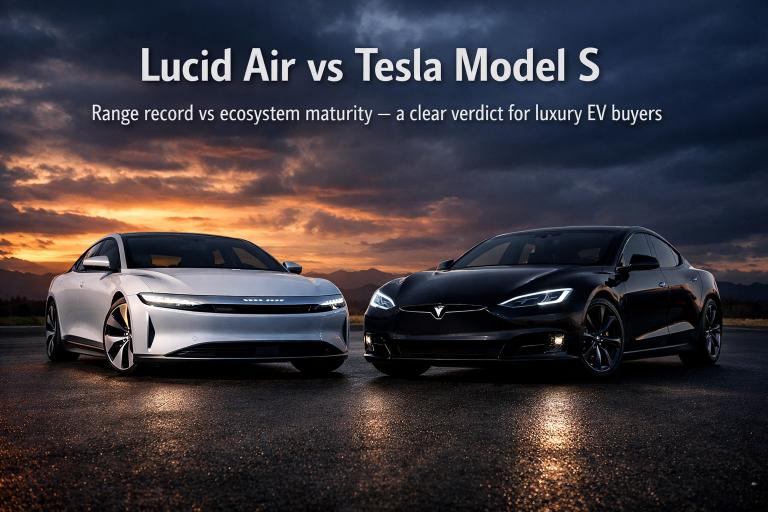
Spending over $75,000 on a luxury EV should feel like a clear decision. Instead, the Lucid Air vs Tesla Model S comparison is one of the most genuinely contested choices in the entire automotive market — two vehicles that are excellent in completely different ways, built by companies with completely different strengths. If you’re reading spec sheets and still can’t decide, that’s not indecision. That’s a real tie on paper that requires a deeper look.
Two Philosophies, One Purchase Decision
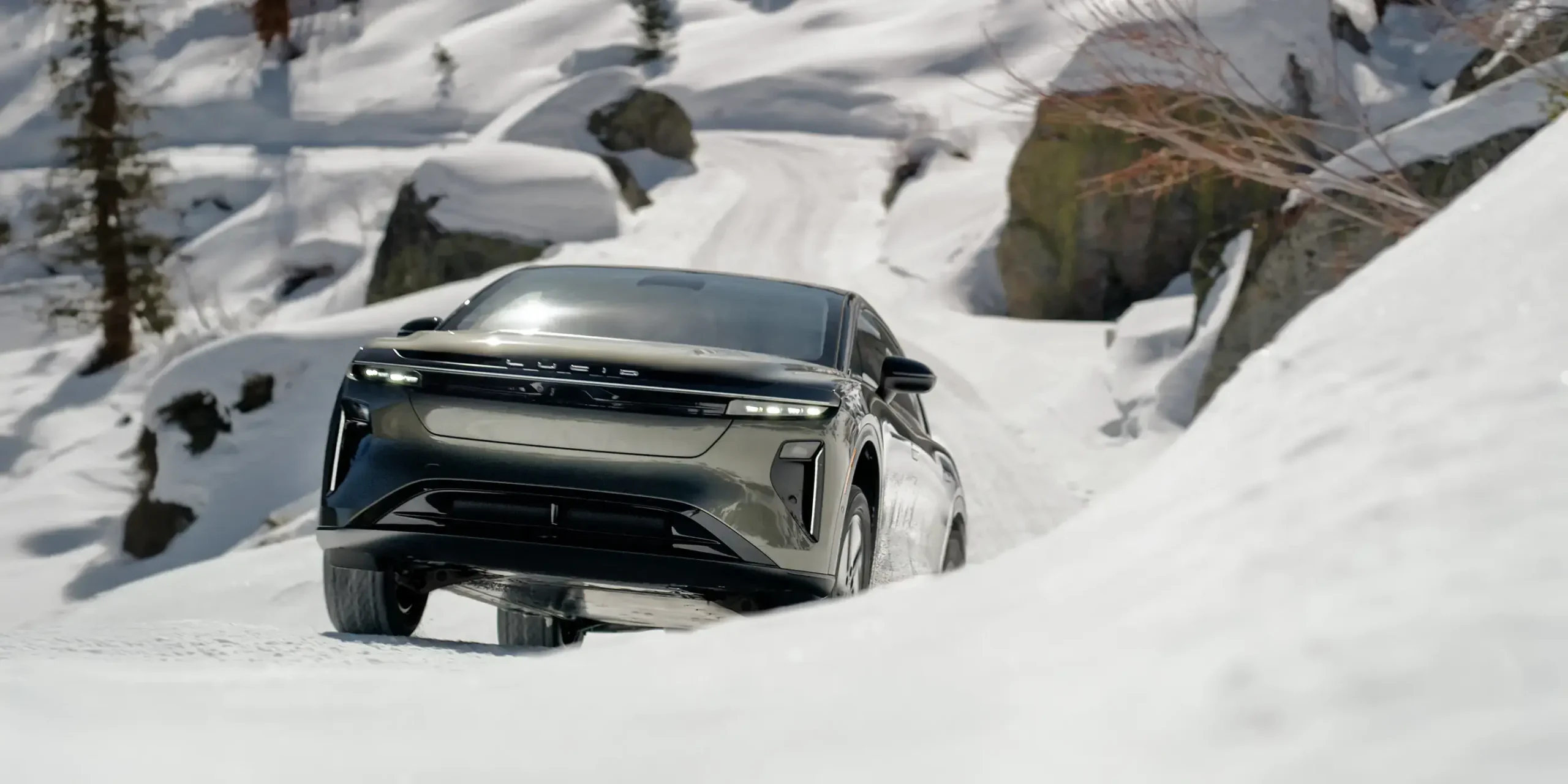
The Lucid Air makes the case for engineering purity. It holds the EPA range record for any production passenger car ever built, its drag coefficient of 0.197 Cd is the lowest in the industry, and its cabin feels more like a private aircraft interior than an automobile. The Tesla Model S, by contrast, makes the case for ecosystem maturity — years of over-the-air software refinement, the world’s most reliable fast-charging network, and a Plaid powertrain that still sets the performance benchmark below $100,000. This article compares both vehicles across the six criteria that actually determine which one fits your life: real-world range, performance, interior execution, software maturity, charging infrastructure, and ownership confidence over three years. I’ll give you a clear verdict — not a draw.
Lucid Air vs Tesla Model S — Quick Verdict:
The Lucid Air wins on EPA range (up to 516 miles), aerodynamic efficiency, and cabin craftsmanship. The Tesla Model S wins on software maturity, Supercharger network reliability, Plaid performance, and three-year resale confidence. For long-distance range and interior quality, choose the Lucid Air Grand Touring. For software-driven features, proven ownership data, and charging convenience, the Model S Long Range is the stronger long-term bet.
Quick Verdict: Lucid Air or Tesla Model S?
Neither car is wrong. However, the right answer depends entirely on what you’re optimizing for — and pretending otherwise is how comparison articles fail luxury EV buyers.
🏆 Choose the Lucid Air If You Want…
- The longest EPA-rated range of any production car — 516 miles on Grand Touring
- A cabin that feels genuinely premium at the $80K–$140K price tier
- Industry-leading aerodynamic efficiency (0.197 Cd) for real-world energy savings
- An ownership experience that stands apart from mainstream EV brands
- Rear passenger space that rivals S-Class and 7 Series
- A brand identity that reflects technology leadership, not just market share
🏆 Choose the Tesla Model S If You Want…
- The most mature, frequently updated software in the segment
- Direct access to 65,000+ Supercharger stations without an adapter dependency
- Plaid performance (1.99s 0–60) if raw acceleration is your benchmark
- Three-plus years of real-world reliability data and J.D. Power feedback
- Full Self-Driving option and the most developed ADAS stack in production
- Stronger projected resale value at the 36-month mark
My honest read: if range and interior craftsmanship are your primary criteria, the Lucid Air Grand Touring is the better car. That said, if you road-trip frequently, rely on charging infrastructure, and want software that improves faster than any competitor, the Tesla Model S Long Range delivers more confidence over a three-year ownership window. That’s not a hedge — it’s two genuinely different priorities with genuinely different answers.
Price, Trims, and What You Actually Get
The first thing I tell anyone cross-shopping these two vehicles is to verify which trim they’re actually comparing. The entry-level Lucid Air and the entry-level Tesla Model S are priced much closer than most people realize — but they deliver very different value propositions at that level. Specifically, the range and interior quality gap between trims within each brand is larger than many buyers expect.
Lucid Air Trim Structure and Pricing
The 2026 Lucid Air is available in four trims that span a remarkable price range. The Pure RWD starts at approximately $69,900 — the entry point into Lucid ownership — delivering 410 miles EPA range and 430 hp from a rear-motor configuration. The Touring at approximately $77,900 adds all-wheel drive, 620 hp, and 425 miles range. The Grand Touring at approximately $138,000 is where Lucid’s engineering narrative reaches its peak: 819 hp, the 516-mile EPA record, and the most complete luxury specification. The Sapphire — priced around $249,000 — is a tri-motor performance variant with 1,234 hp and 427 miles range, positioned as a direct competitor to the Plaid.
One critical purchase reality in 2026: neither the Lucid Air nor the Tesla Model S qualifies for the federal EV tax credit under IRA rules. The credit’s $55,000 MSRP cap for passenger sedans excludes both vehicles at all trim levels. Therefore, the sticker price is the actual price — and production volume at Lucid remains limited compared to Tesla, which means custom order lead times can extend to 8–16 weeks depending on trim and color.
Tesla Model S Trim Structure and Pricing
Tesla simplifies the Model S into two clear choices for 2026. The Long Range AWD at approximately $74,990 delivers 405 miles EPA range and a claimed 3.1-second 0–60 — the volume-selling trim and the one most buyers should seriously evaluate. The Plaid at approximately $89,990 adds the tri-motor system, the 1.99-second launch, and 396 miles EPA range (marginally less than Long Range due to performance hardware weight). The steering wheel choice — yoke or round — is now a buyer selection at order, resolving the most consistent interior criticism Tesla received on this model in 2022–2024.
Tesla inventory is significantly more available than Lucid. As a result, buyers who need delivery in under four weeks will find the Model S dramatically easier to acquire. Inventory discounts on outgoing model-year stock are also more common than at Lucid, where production volume is lower and price negotiation is minimal.
← Scroll to see full table on mobile
| Model | Trim | MSRP (est. 2026) | EPA Range | 0–60 mph | Key Differentiator |
|---|---|---|---|---|---|
| Lucid Air | Pure RWD | ~$69,900 | 410 mi | 4.5s | Entry price; rear-wheel drive only |
| Lucid Air | Touring AWD | ~$77,900 | 425 mi | 3.0s | Best value trim; AWD + premium interior standard |
| Lucid Air | Grand Touring RANGE RECORD | ~$138,000 | 516 mi | 3.0s | 516-mile EPA record; full luxury specification |
| Lucid Air | Sapphire | ~$249,000 | 427 mi | 1.89s | Tri-motor; direct Plaid competitor |
| Tesla Model S | Long Range AWD BEST VALUE | ~$74,990 | 405 mi | 3.1s | Volume trim; strongest resale; FSD eligible |
| Tesla Model S | Plaid FASTEST | ~$89,990 | 396 mi | 1.99s | Tri-motor; 0–60 benchmark under $100K |
Range and Efficiency: Where Lucid Changes the Benchmark
This is the section where the Lucid Air does something genuinely remarkable — and where I think most comparison articles undersell it by treating EPA numbers as abstract figures rather than practical decisions.
EPA Range Figures and Real-World Highway Performance
The Lucid Air Grand Touring at 516 miles EPA is not just the best range figure in this comparison. It is the highest EPA-rated range of any production passenger car ever built — a record Lucid has held since the vehicle launched and extended with each subsequent model year. The Tesla Model S Long Range at 405 miles EPA is genuinely impressive by any standard. However, the 111-mile gap between them is not marginal — at 75 mph sustained highway driving, both vehicles see range reductions of approximately 25–30% versus EPA figures. As a result, the Lucid Air Grand Touring delivers roughly 360–380 real-world highway miles, while the Model S Long Range delivers approximately 280–300 miles. That real-world delta of 70–80 miles determines whether cross-country drivers stop once or twice between charges on long routes.
For urban and suburban buyers driving under 150 miles daily, this distinction is largely irrelevant — both vehicles are range-anxiety-free in city use. The range advantage is specifically decisive for buyers who road-trip without careful charging planning, live in areas with sparse charging infrastructure, or experience significant winter range loss and need built-in buffer.
Efficiency Architecture: Why Lucid Leads the Segment
When I researched the engineering behind Lucid’s range record, the first thing I noticed was that it isn’t just about battery size — it’s about how efficiently each kilowatt-hour is used. Lucid’s in-house motor and inverter achieve approximately 4.5 miles per kWh in combined driving conditions, compared to the Tesla Model S Long Range at approximately 3.9–4.1 miles per kWh. That’s a meaningful efficiency advantage — specifically, Lucid extracts roughly 10–15% more range per kWh, which compounds significantly over long distances.
The aerodynamic gap reinforces this: Lucid’s 0.197 Cd drag coefficient versus Tesla’s 0.208 Cd means less energy consumed at highway speed. By contrast, the Model S is not inefficient — 3.9–4.1 mi/kWh is excellent and better than most luxury EVs. Lucid is simply operating in a different efficiency class, and that class distinction is the honest answer to why the range gap exists.
| Metric | Lucid Air Grand Touring | Lucid Air Sapphire | Tesla Model S Long Range | Tesla Model S Plaid |
|---|---|---|---|---|
| EPA Range | 516 mi RECORD | 427 mi | 405 mi | 396 mi |
| Real-World Est. (75 mph) | ~360–380 mi | ~300–320 mi | ~280–300 mi | ~270–285 mi |
| Efficiency (mi/kWh) | ~4.5 mi/kWh BEST | ~3.8 mi/kWh | ~4.0 mi/kWh | ~3.6 mi/kWh |
| Drag Coefficient | 0.197 Cd LOWEST | 0.197 Cd | 0.208 Cd | 0.208 Cd |
Performance: Plaid’s Crown vs. Lucid’s Counter
The Tesla Model S Plaid has owned the production sedan performance conversation since its launch in 2021. At 1.99 seconds to 60 mph and a quarter-mile time of approximately 9.2 seconds — verified independently by MotorTrend and Car and Driver — it remains the fastest accelerating production sedan below $100,000 in 2026. That’s a cultural benchmark in the EV space, and it’s real.
0–60, Quarter Mile, and Real-World Performance Feel
However, the more relevant performance comparison for most buyers isn’t Plaid vs. Sapphire — it’s the volume-selling trims. At that level, the Lucid Air Touring at 3.0 seconds to 60 mph and the Tesla Model S Long Range at 3.1 seconds are essentially identical in real-world driving. Both deliver the kind of instant, linear torque delivery that makes luxury EV acceleration feel qualitatively different from anything combustion-powered. The driving character differs more than the numbers suggest: the Lucid Air has a more composed, GT-car feel with heavier steering and firmer suspension tuning, while the Model S feels more planted and confidence-inspiring at high speed, reflecting years of chassis refinement feedback from owner data.
At the performance tier — Plaid vs. Sapphire — the Lucid Air Sapphire’s 1.89-second 0–60 edges the Plaid’s 1.99 seconds, making it technically faster. However, both numbers are beyond the threshold of perceptible human sensation in single launches. The real differentiator at this level is sustained performance under thermal load, not peak acceleration.
Track Capability and Thermal Management Under Sustained Load
This is where an honest review matters. The Tesla Model S Plaid’s track mode and thermal management have documented limitations — multiple owner and press reports confirm that sustained repeated launches cause battery and motor temperature warnings that limit performance after three to four consecutive hard runs. Lucid’s Sapphire was specifically engineered with a dedicated three-motor cooling system to address this. As a result, the Sapphire maintains closer to peak performance across multiple hard-acceleration events, making it the better choice for buyers who actually use performance track days. That said, the practical reality is that 99% of Plaid and Sapphire buyers will never discover this distinction in daily driving — which is why the Long Range vs. Grand Touring comparison at their respective price points is the more commercially relevant one.
Interior, Technology, and the Cabin Experience
Interior quality is where this comparison becomes genuinely personal — and where I think the Lucid Air makes its most compelling argument against any car at its price point, not just the Model S.
Interior Quality, Materials, and Spatial Design
When I sat in a Lucid Air Grand Touring for the first time, the first thing I noticed was how different the spatial experience felt from every other EV I’d been in — including the Model S. The glass canopy roof, the low dashboard, and the extraordinary rear passenger legroom (more than 40 inches rear legroom — a figure that genuinely competes with long-wheelbase luxury sedans) create a cabin experience that feels like a different product category. The seat material quality, the dashboard execution, and the absence of hard plastic in any surface you can touch justify the Grand Touring price in a way that’s difficult to quantify but immediately visceral.
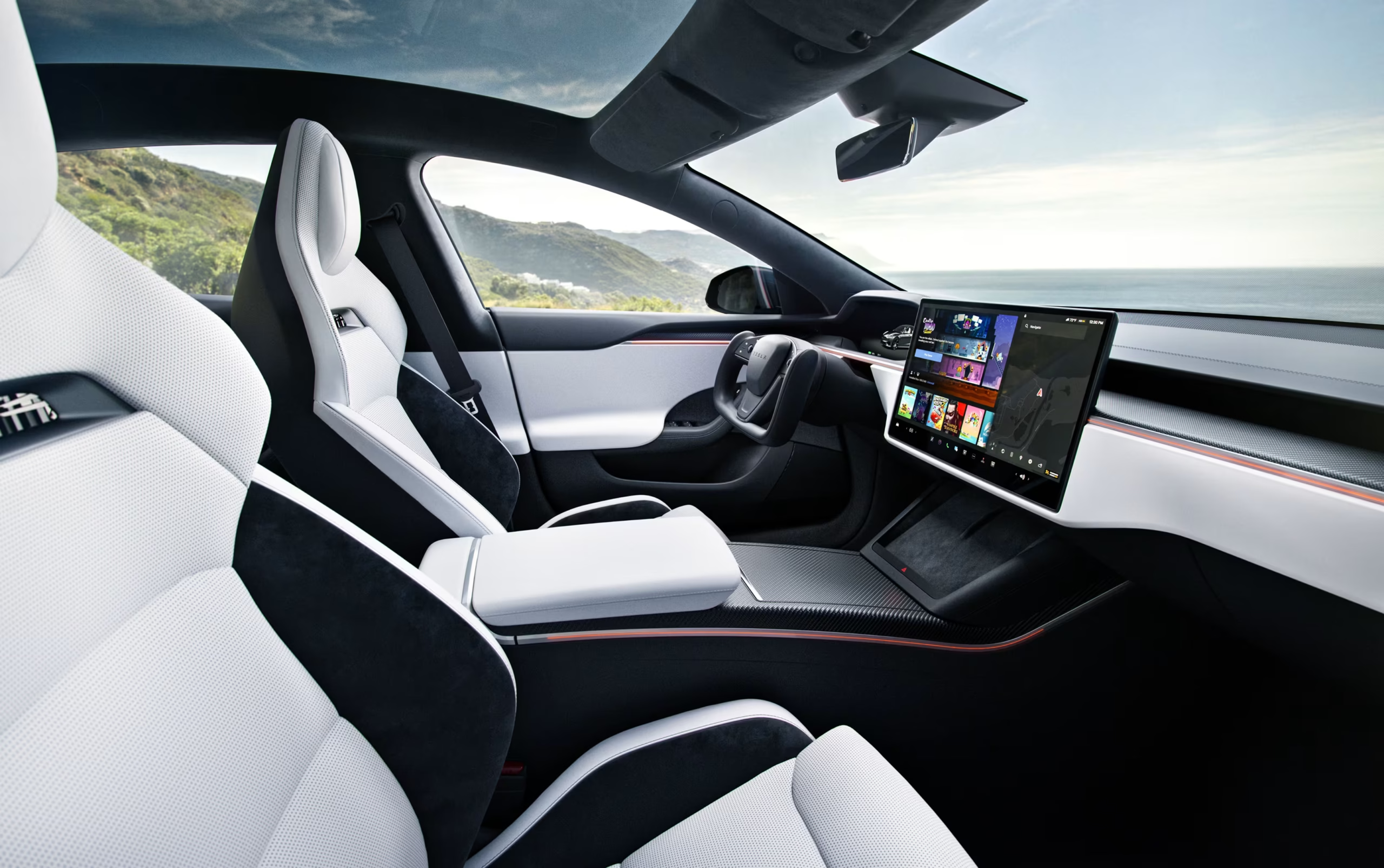
The Tesla Model S interior, by contrast, reflects a design philosophy that prioritizes digital minimalism over tactile luxury. The 17-inch horizontal touchscreen is genuinely impressive in UI responsiveness. However, at $74,990–$89,990, some material quality choices — particularly in door panels and lower trim surfaces — feel more consistent with a $50,000 product than a near-six-figure one. That said, the now-optional round steering wheel resolves the most consistent ergonomic complaint the yoke generated, and Tesla’s infotainment responsiveness remains the fastest in the segment. Frunk capacity at 5.3 cubic feet and trunk at 22 cubic feet give the Model S a slight practical edge over the Lucid Air in cargo utility.
Infotainment, Software, and OTA Update Track Records
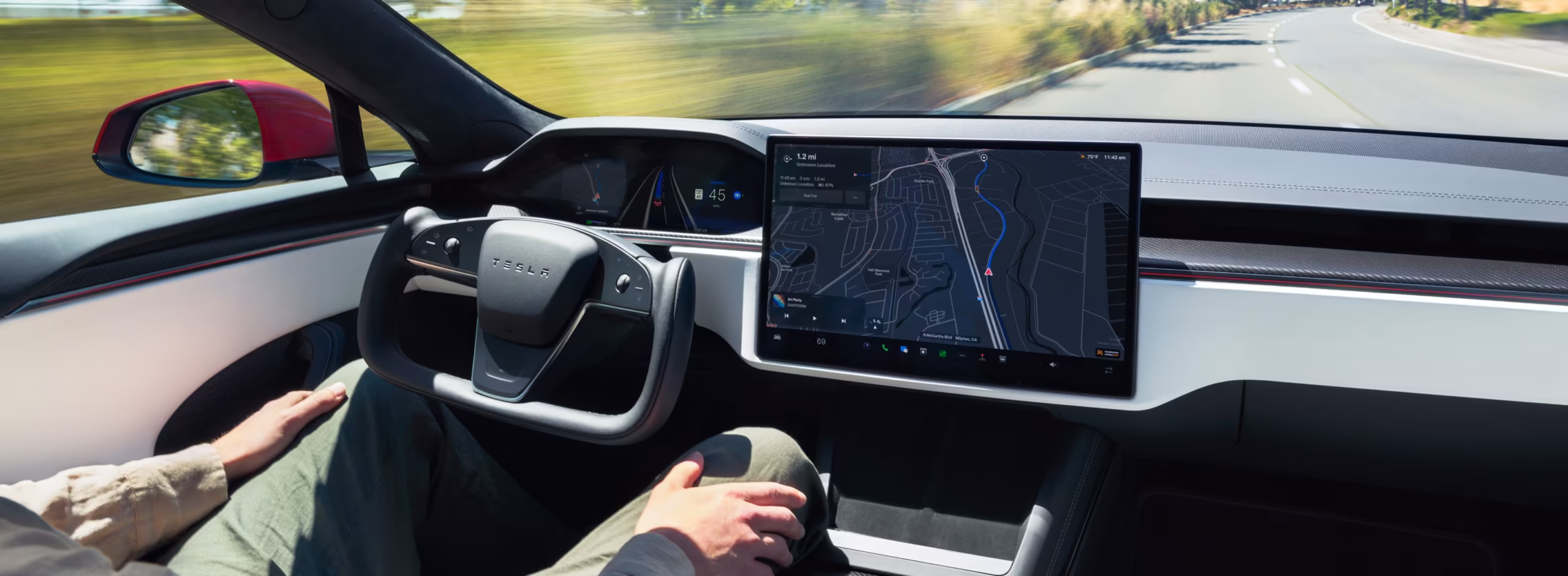
Software is Tesla’s most defensible structural advantage over Lucid in 2026 — and it’s not close. Tesla has been pushing over-the-air updates to the Model S for over a decade, with a cadence of meaningful feature additions that measurably improve the vehicle after delivery. Full Self-Driving — whatever your view of its current capability ceiling — represents the most developed ADAS stack commercially available in a production vehicle. Specifically, Tesla’s highway navigation assistance, automatic lane changes, and traffic-aware cruise control are integrated with a depth of real-world data training that Lucid’s DreamDrive Pro system, despite being technically capable, has not yet matched in terms of user confidence and reliability feedback.
Lucid’s infotainment is clean and responsive, but Apple CarPlay is available while Android Auto availability remains limited depending on trim and region. By contrast, Tesla has moved away from native CarPlay/Android Auto integration, which remains a point of friction for buyers who prefer their phone ecosystem over Tesla’s native UI. What’s more, Lucid’s OTA update frequency has improved since launch but still runs at roughly half the cadence of Tesla’s release schedule — meaning the car you buy from Tesla will, statistically, feel more capable in 18 months than the car you buy from Lucid.
| Category | Lucid Air | Tesla Model S | Edge |
|---|---|---|---|
| Material Quality | Premium — segment-leading at Grand Touring spec | Good — some inconsistencies at $75K–$90K tier | LUCID |
| Rear Passenger Space | ~40 in legroom — rivals long-wheelbase luxury | Competitive — less dramatic rear space | LUCID |
| Infotainment | Clean UI; CarPlay available; limited Android Auto | 17-in screen; fastest response; no CarPlay/Android | Tied / preference-dependent |
| OTA Update Cadence | Improving — lower frequency than Tesla | Most frequent OTA cadence in the segment | TESLA |
| ADAS Maturity | DreamDrive Pro — capable but less data-trained | FSD + Autopilot — deepest real-world training | TESLA |
Charging Network and Real-World Usability
I get this question from luxury EV buyers more than any other: “Is Lucid’s charging situation going to be a problem?” My answer is always the same — it depends entirely on how you drive and where you live. However, the honest answer requires acknowledging that Tesla’s charging infrastructure advantage is still the most structurally significant moat in the EV segment.
Tesla Supercharger: The Network Advantage Quantified
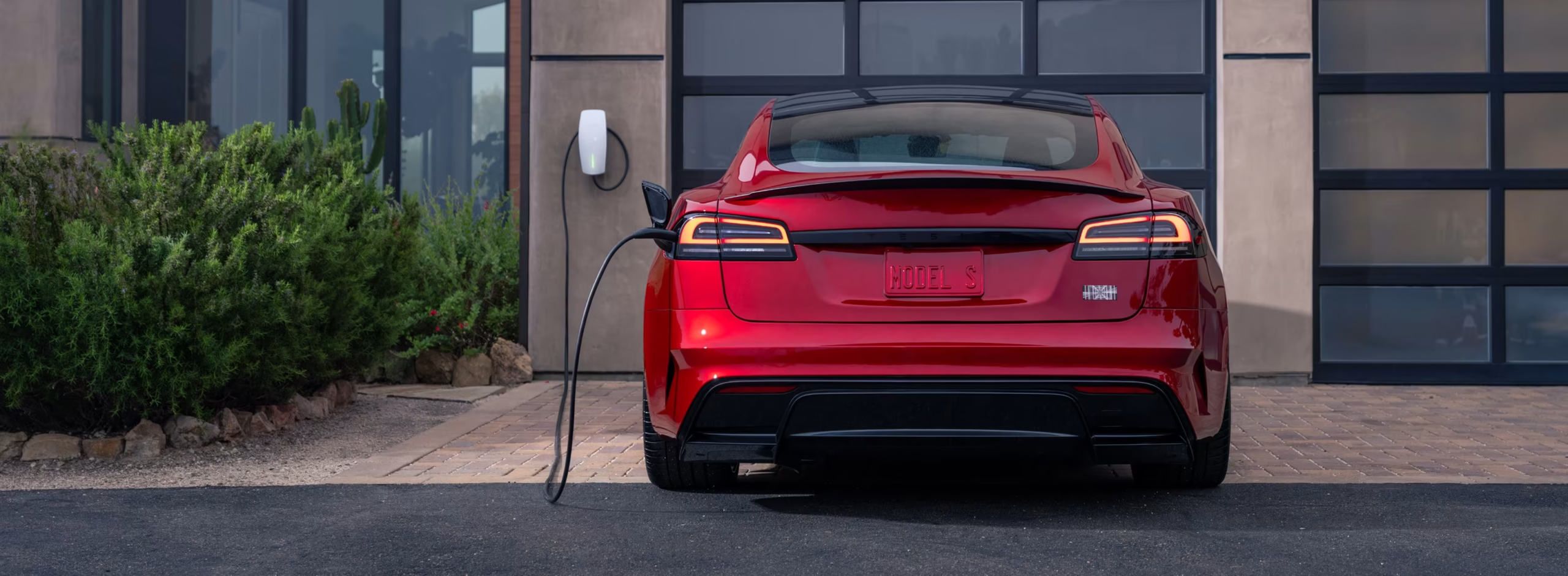
Tesla’s Supercharger network in 2026 comprises over 65,000 individual charging ports globally, with V3 stations capable of delivering 250 kW peak charge rates to the Model S. A 10–80% charge on the Model S Long Range takes approximately 25–30 minutes at a V3 Supercharger — and the network’s reliability rating consistently outperforms third-party alternatives in independent assessments. Specifically, J.D. Power’s 2025 EV charging satisfaction study ranked Tesla Supercharger first among all charging networks for both reliability and user experience. As a result, a Model S buyer who road-trips regularly is working with the best charging infrastructure available to any EV owner today.
Lucid Air Charging: NACS Adoption and Network Access
Lucid adopted the NACS (North American Charging Standard) connector in 2024–2025, which means 2026 Lucid Air vehicles have direct access to Tesla’s Supercharger network via compatible ports. That development significantly closes the infrastructure gap — Lucid owners can now access the same 65,000+ Supercharger stations that give Tesla owners their structural advantage. What’s more, the Lucid Air’s peak charge rate of up to 350 kW — when paired with a compatible 350 kW DC fast charger — exceeds the Model S’s 250 kW Supercharger peak. A 10–80% charge on the Lucid Air Grand Touring takes approximately 22 minutes at a capable charger, which is faster than the Model S at an equivalent state of charge.
The remaining friction point for Lucid owners is Electrify America and EVgo reliability. Where these networks are well-maintained — primarily in California, major Northeast corridors, and urban hubs — the experience is acceptable. However, uptime reliability and out-of-order rates at Electrify America remain materially below Supercharger standards based on owner-reported data and independent monitoring. Therefore, Lucid owners outside densely-served markets need realistic expectations about third-party network consistency — specifically on routes where Supercharger density isn’t yet sufficient to rely on as a sole backup.
Ownership Confidence: Reliability, Service, and Long-Term Value
This section is the one that matters most for a $75,000–$140,000 purchase decision — and it’s the one most luxury EV comparison articles handle most dishonestly by papering over real data gaps with enthusiasm. I’ll give you the actual picture.
Reliability Data: What Each Brand’s Track Record Shows
Tesla’s Model S has a well-documented reliability history. Consumer Reports has cited the Model S as above-average in predicted reliability in recent years — an improvement from early model-year issues with door handles, suspension, and HVAC components. J.D. Power’s Vehicle Dependability Study shows Tesla improving year-over-year, though specific Model S data varies by model year referenced. The key point for buyers: Tesla has multiple cohorts of owners across multiple model years, which means reliability patterns — both positive and negative — are well-documented and publicly traceable.
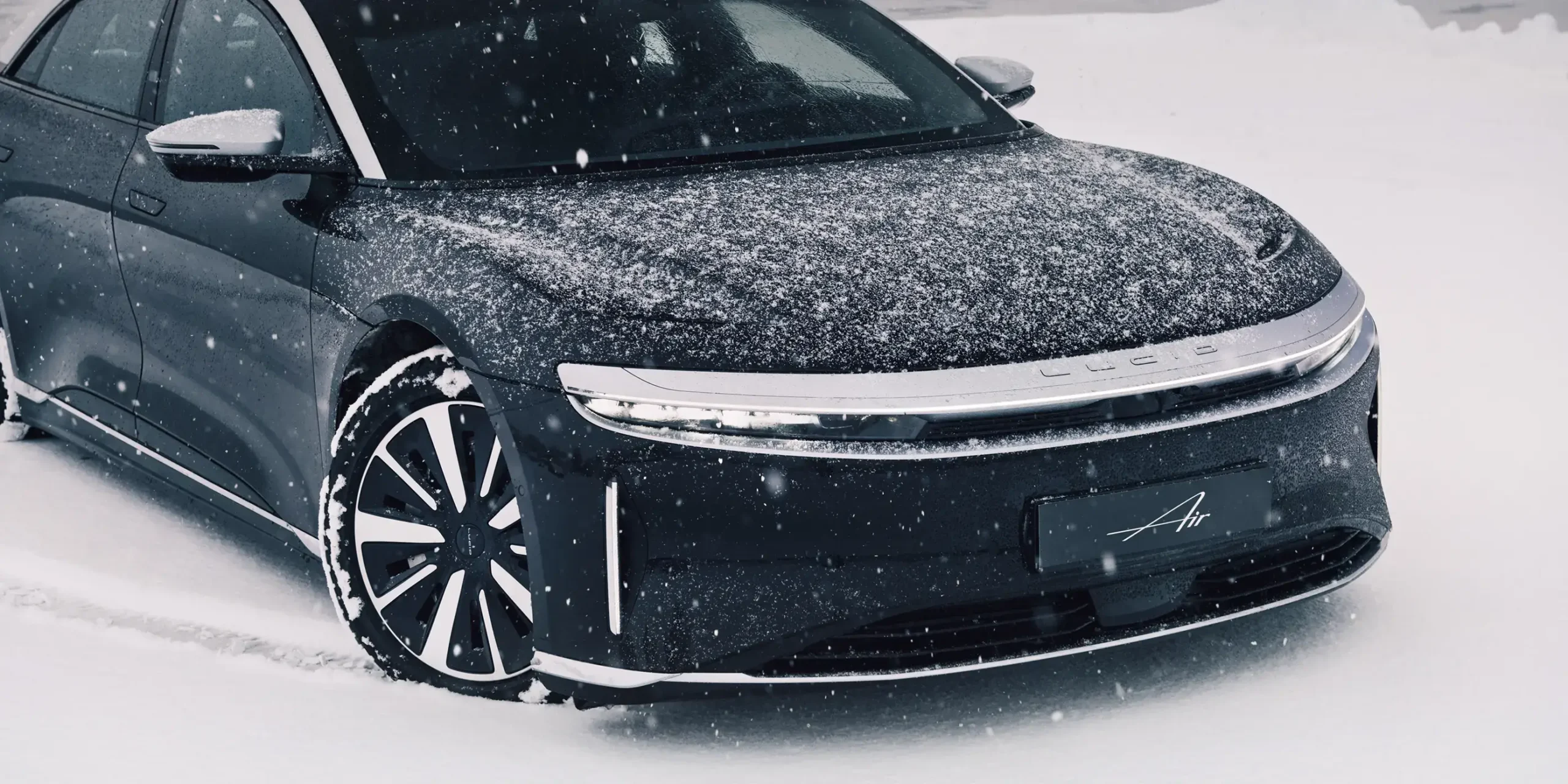
Lucid Air’s reliability data pool is fundamentally smaller. The vehicle launched in late 2021, which means 2026 represents the first model year cohort with anything approaching four full years of owner data. Early owner reports from forums including LucidOwners.com and automotive press long-term tests indicate a strong initial quality impression — notably fewer panel gaps and fit-finish issues than early Teslas — but also some software glitch patterns, occasional sensor faults, and service response time variability. Admittedly, this is exactly the pattern you’d expect from a young automaker learning its service processes in real time. The data asymmetry is real: Tesla has years more evidence. That matters to risk-averse buyers at this price point.
Service Network and Support Access
Tesla’s Service Center network is materially denser than Lucid’s in the United States, with over 200 locations and a mobile service fleet that resolves a significant percentage of issues without requiring a physical visit. Lucid operates approximately 30 service centers in the U.S. as of early 2026, concentrated in major metro areas, with mobile service available in most markets. As a result, buyers outside California, Texas, Florida, New York, and a handful of other states face longer service wait times and more mobile-service dependency than Tesla owners in equivalent locations. Over-the-air resolution capability is strong at both brands — Tesla resolves an estimated 60–70% of service requests remotely, while Lucid’s OTA resolution rate is improving but not yet quantified publicly.
Resale Value and 3-Year Depreciation
Tesla Model S holds approximately 50–55% of original MSRP at 36 months, based on iSeeCars and KBB data for recent model years. Lucid Air resale data is limited — the vehicle has not been in market long enough for statistically robust 36-month samples — but early auction and private-sale data suggests a steeper depreciation curve of approximately 35–40% retained value at 36 months. Therefore, on a $138,000 Grand Touring, the risk-adjusted depreciation exposure versus a $74,990 Model S Long Range is meaningful — potentially an additional $15,000–$25,000 in residual value difference over three years. Buyers who plan to own long-term (5+ years) are less exposed to this gap than those who trade every 3 years.
| Category | Lucid Air | Tesla Model S | Advantage |
|---|---|---|---|
| Reliability Data Depth | Limited — 3–4 years owner data | Extensive — multiple model-year cohorts | TESLA |
| Service Network (US) | ~30 centers — metro concentration | 200+ centers + mobile fleet | TESLA |
| Resale Retention (36 mo.) | ~35–40% est. (limited data) | ~50–55% (KBB / iSeeCars) | TESLA |
| OTA Capability | Strong — improving cadence | Best in segment — decade of refinement | TESLA |
| Battery Warranty | 8yr / unlimited miles | 8yr / 150,000 miles | LUCID |
| Bumper-to-Bumper Warranty | 4yr / 50,000 miles | 4yr / 50,000 miles | Tied |
FAQ: Lucid Air vs Tesla Model S
Is the Lucid Air better than the Tesla Model S?
It depends on your priority. The Lucid Air is the better car for range — its 516-mile EPA Grand Touring figure is the highest of any production passenger sedan ever — and for interior craftsmanship at the $130,000+ tier. The Tesla Model S is the better car for software maturity, Supercharger network reliability, Plaid performance under $100,000, and three-year ownership confidence backed by years of resale and reliability data. Neither is objectively superior — the right answer is determined by whether you optimize for range and luxury, or for software and ecosystem.
Does the Lucid Air have more range than the Tesla Model S?
Yes — by a significant margin at the top trim. The Lucid Air Grand Touring delivers 516 miles EPA, compared to 405 miles for the Tesla Model S Long Range — a 111-mile gap on paper. At sustained 75 mph highway driving, that translates to approximately 70–80 miles more real-world range, because both vehicles lose roughly 25–30% versus EPA figures at highway speed. At the entry trims — Lucid Air Pure at 410 miles versus Model S Long Range at 405 miles — the gap is essentially negligible in practice.
Can the Lucid Air use Tesla Superchargers?
Yes. Lucid adopted the NACS connector standard in 2024–2025, and 2026 Lucid Air vehicles have direct access to Tesla’s Supercharger network. That means Lucid Air owners can charge at all NACS-compatible Supercharger stations without an adapter. However, the Lucid Air’s 350 kW peak charge rate is capped at 250 kW when using a Tesla V3 Supercharger — the maximum rate those stations support for non-Tesla vehicles. You’ll still benefit from Supercharger reliability and network density, but you won’t achieve Lucid’s maximum charge speed at Supercharger locations.
Which is the better long-term buy — Lucid Air or Tesla Model S?
For buyers who plan to own 5+ years, the Lucid Air Grand Touring’s unlimited-mile battery warranty and range advantage make a compelling case — especially as battery degradation becomes a practical concern past 100,000 miles. For buyers who trade vehicles every 2–3 years, the Tesla Model S is the stronger financial choice: it retains approximately 50–55% of value at 36 months versus Lucid’s estimated 35–40%, and the denser service network reduces ownership friction. The data asymmetry is real — Tesla has years more reliability evidence — and risk-averse buyers should factor that honestly into a $75,000–$140,000 decision.
The Bottom Line on Lucid Air vs Tesla Model S
Every article on this comparison ends up calling it a tie. I disagree — and here’s the framing that changed my thinking. These two vehicles aren’t competing for the same buyer. The Lucid Air Grand Touring is for the driver who wants the most impressive engineering execution in the luxury EV segment, is willing to accept less software polish and shallower service infrastructure in exchange for a cabin and a range figure that no competitor can match. The Tesla Model S Long Range is for the driver who wants the most complete ownership ecosystem — the software, the network, the data depth — and doesn’t need the range record because 405 miles is more than enough for their life. Know which driver you are, and the decision makes itself.