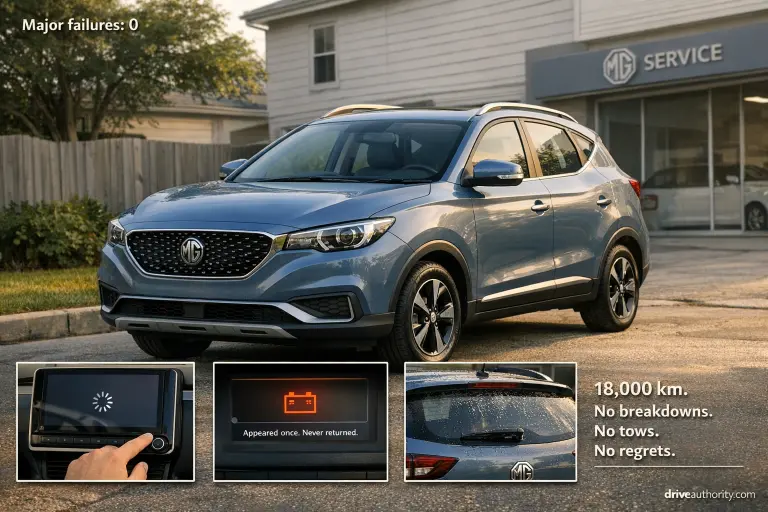
The MG ZS EV in 2026 sits in a confusing position for buyers in the US, Canada, and the UK: it’s an affordable electric SUV that promises practicality without the premium price tag, but its limited availability in some markets, modest range, and unfamiliar brand create genuine hesitation. The core decision isn’t whether the MG ZS EV is “good enough”—it’s whether its specific strengths (price accessibility, compact usability, included charging cable) align with your actual driving patterns and charging reality. For urban commuters with home charging and daily drives under 150 miles, it removes the main barrier to EV ownership: cost. For road-trippers or apartment dwellers without charging access, it creates different problems than it solves.
Quick Answer: Is the MG ZS EV Worth Buying in 2026?
Yes—the MG ZS EV is worth buying in 2026 if your daily driving stays under 150 miles, you can charge at home, and affordability matters more than brand prestige. It’s not ideal for frequent long-distance travel, cold climates without garage access, or buyers who rely heavily on public charging. Service availability varies significantly by region, especially between the US, Canada, and the UK.
MG ZS EV vs Competitors: Quick Comparison
| Feature | MG ZS EV | Chevy Bolt EUV | Nissan Leaf | Hyundai Kona Electric |
|---|---|---|---|---|
| Starting Price | ~$35,000 | ~$28,000 | ~$29,000 | ~$34,000 |
| Real-World Range | 200-220 mi | 220-240 mi | 200-215 mi | 250-270 mi |
| Service Network | Limited (US/CA) | Excellent | Good | Good |
| Winter Range Loss | 25-30% | 20-25% | 25-30% | 20-25% |
| Charging Speed | CCS (moderate) | CCS (fast) | CHAdeMO (slow) | CCS (fast) |
| Best For | Budget + Home Charging | All-around value | City commuters | Range priority |
Prices shown before federal/regional incentives. According to U.S. Department of Energy data and real-world owner reports.
What the MG ZS EV Actually Solves (And What It Doesn’t)
The MG ZS EV addresses one dominant problem in the electric vehicle market: entry-level pricing paired with functional everyday usability. Most electric SUVs force buyers to choose between affordability and adequate range, or between compact size and interior space. This electric crossover offers a middle path—not exceptional in any single metric, but sufficient across the categories that matter for predictable urban and suburban use.
In real-world conditions, owners report 200–220 miles of actual range (not EPA estimates) during moderate weather. That translates to 4–5 days of typical commuting before needing to plug in, assuming a 30–40 mile daily round trip. The cabin comfortably seats four adults, cargo space handles weekly groceries or weekend gear, and the driving experience feels stable without attempting to mimic luxury performance.
Where it falls short: highway efficiency drops noticeably at speeds above 70 mph, winter range can decline by 25–30% in freezing climates according to SAE International cold-weather testing standards, and fast-charging infrastructure compatibility varies by region. Service availability differs significantly across markets, with the UK having more established MG dealer networks compared to the US and Canada. If you’re concerned about common problems with Chinese EVs, these service limitations deserve serious consideration.
Why Most Buyers Misunderstand What “Affordable EV” Really Means
When evaluating this MG electric SUV, many shoppers focus on sticker price comparison against Tesla or Hyundai models—but miss the secondary ownership costs that define true affordability. An electric vehicle priced $8,000–$12,000 below competitors only delivers value if charging infrastructure matches your lifestyle, if regional incentives apply, and if the warranty coverage protects against battery degradation risks.
The common mistake: assuming “budget EV” means compromised quality everywhere. In practice, MG includes features often reserved for higher trims elsewhere—heated seats, smartphone integration, driver-assist basics—as standard equipment. The trade-off isn’t luxury versus economy; it’s brand recognition and service convenience versus functional completeness. This is a recurring theme when comparing Chinese EVs vs Tesla.
Another misconception centers on range anxiety. Buyers obsess over maximum EPA range (around 263 miles) without considering that most daily driving happens within a 50-mile radius. The psychological comfort of 300+ mile range rarely translates to practical necessity for commuters. The real question: does 200 real-world miles cover your routine without forcing charging stops during normal weeks?
Secondary Factors That Influence (But Don’t Determine) Overall Value
Charging ecosystem compatibility matters, but it’s not the primary reason to choose or avoid the ZS EV. This model uses CCS charging (not Tesla’s network without adapter), which means access depends on Electrify America, EVgo, or regional providers in North America, and Ionity or BP Pulse networks in the UK. According to Alternative Fuels Data Center mapping, major metro areas across all three markets show adequate coverage. In rural corridors or regions with sparse infrastructure, it creates planning friction. Understanding how long EV charging takes helps set realistic expectations.
Brand perception and resale uncertainty play a role for some buyers. MG’s recognition varies dramatically by market—stronger in the UK where the brand has historical roots, weaker in the US and Canada where it’s relatively unknown. This affects trade-in values differently depending on your location. However, this concern is secondary to functional performance—if the vehicle meets your needs for 5–7 years, resale becomes less critical than upfront savings. For deeper context on the brand’s reputation, read about whether MG cars are reliable.
Software updates and tech ecosystem lag behind Tesla or newer EV-native brands. The infotainment system works reliably but doesn’t receive frequent over-the-air improvements. For buyers prioritizing cutting-edge tech evolution, this feels limiting. For those wanting stable, predictable operation without learning new interfaces yearly, it’s actually a benefit.
How to Tell If the MG ZS EV Matches Your Actual Situation

You’re in the right buyer profile if:
Your daily commute totals 60 miles or less round-trip, and you can charge at home overnight using a standard Level 2 charger (240V outlet). This eliminates range anxiety and reduces cost-per-mile to roughly $0.03–$0.05 depending on local electricity rates based on U.S. Energy Information Administration residential rate averages.
You live in a temperate climate or accept seasonal range reduction. If winter temperatures regularly drop below 20°F and you lack garage parking, expect 150–170 usable miles during cold months. That’s still workable for urban use but removes margin for spontaneous longer trips.
Your budget caps electric SUV spending around $35,000–$40,000 after incentives, and you prioritize immediate savings over brand prestige. If regional or federal EV credits apply, the net cost can drop significantly below competitors with similar interior space. Compare options in our guide to the best EVs under $40,000.
Service access doesn’t worry you, or you’re in a market with established MG presence. UK buyers generally have better dealer access. US and Canadian buyers 100+ miles from certified service centers face inconvenience during warranty work or specialized repairs.
You should probably look elsewhere if:
- Frequent road trips beyond 200 miles one-way define your driving pattern (consider the longest-range electric cars instead)
- You rely entirely on public fast-charging (no home/workplace option)
- Cold-weather capability matters more than purchase price
- Brand resale value or extensive dealer network access are non-negotiable
If you’re a first-time EV buyer, understanding these trade-offs prevents costly mistakes.
Practical Next Steps to Validate This Decision

Map your actual weekly driving for two consecutive weeks. Track total miles, trip purposes, and whether home charging would cover 90%+ of your needs. If the answer is yes, range concerns shrink dramatically. If you’re consistently pushing 180+ miles weekly without charging access, the numbers don’t work.
Research regional charging networks and incentive programs before assuming availability. Use PlugShare or ChargeHub apps to identify CCS fast-chargers within 15 miles of your regular routes. Check your country’s federal/state/provincial websites for current EV rebates—these change annually and can swing affordability calculations by $5,000–$10,000.
Arrange an extended test drive that simulates real conditions. A 15-minute dealer loop won’t reveal highway efficiency, cabin noise at speed, or charging experience. Request a full-day rental or test specifically during weather conditions you’ll face regularly. Pay attention to blind spots, cargo access with the hatch, and whether rear seat space works for your passengers.
Calculate 5-year total cost of ownership, not just purchase price. Factor in electricity costs versus gas savings (typically $800–$1,200 annually), reduced maintenance (no oil changes, less brake wear), insurance rates for your specific location, and estimated resale based on comparable used EVs in your market. Our guide on monthly cost of owning an electric car breaks down these numbers clearly.
Identify the nearest certified service center and confirm parts availability timelines. Call ahead and ask about typical wait times for service appointments and whether common components (tires, brake pads, software updates) require special ordering. If routine maintenance means 3-hour drives or week-long waits, convenience costs add up. Learn about common MG ZS problems after 50,000 km and broader Chinese EV reliability patterns to prepare for potential issues.
When to Consult Outside Expertise
If you’re uncertain whether your home electrical system supports Level 2 charging installation, schedule an inspection with a licensed electrician familiar with EV charger requirements. The cost difference between simple outlet upgrades ($500–$800) versus full panel replacements ($2,000–$4,000) changes the total investment equation.
For buyers in extremely cold climates (Canada, northern US states, northern UK regions), speak with current EV owners in your area or join regional electric vehicle forums. Real winter performance data from people driving similar routes matters more than manufacturer estimates. Some find creative solutions (preheating while plugged in, garage access); others discover the trade-offs aren’t worth it.
If manufacturer warranty details feel unclear—particularly around battery degradation coverage and what “normal wear” means—request written clarification from the dealer before purchase. MG’s battery warranty typically covers 8 years/100,000 miles, but specific capacity retention guarantees vary by market and model year.
Final Takeaway: The MG ZS EV Works Best When Your Needs Are Clear
The MG ZS EV isn’t trying to be the most exciting, longest-range, or most technologically advanced electric SUV—and that focused positioning is precisely why it succeeds for a specific buyer profile. If affordable access to electric driving, predictable urban range, and straightforward usability matter more than brand recognition or cutting-edge features, this vehicle removes the barriers that keep many drivers in gas-powered cars.
The decision clarity comes from honest self-assessment: know your actual mileage patterns, verify charging access matches your routine, and confirm service infrastructure exists where you live. When those factors align, the value proposition becomes obvious. When they don’t, no amount of price discount compensates for daily inconvenience.
If your driving habits and charging setup match what the MG ZS EV is designed for, it’s one of the smartest value EVs you can buy in 2026. If they don’t, the frustration will outweigh the savings.
For broader context on affordable electric options, explore our guides to why Chinese electric cars are so cheap and our best Chinese EV comparison. If you’re weighing different powertrain options entirely, our EV vs hybrid vs plug-in hybrid guide offers valuable perspective.
FAQ: Quick Answers for Common MG ZS EV Questions
Q: Can the MG ZS EV handle Canadian winters?
Yes, but expect 25–30% range reduction in temperatures below 0°F. Budget for 150–170 usable winter miles versus 200+ in moderate weather. Heated seats and cabin preheating while plugged in help maintain comfort and efficiency.
Q: Is home charging absolutely required?
Not technically, but relying solely on public charging turns a convenience vehicle into a planning burden. Without home or workplace charging, you’ll spend significantly more time and money managing charge sessions.
Q: How does it compare to the Chevy Bolt EUV?
Similar price range and practicality focus. The Bolt EUV offers slightly better range and established GM service network in North America. The MG ZS EV counters with included charging cable and potentially lower starting price depending on regional incentives.
Q: What’s the biggest complaint from actual owners?
Limited service center access and slower software update cycles, particularly in the US and Canada. The vehicle itself performs reliably, but support infrastructure lags behind mainstream brands in certain markets.
Decision Framework: Should You Buy the MG ZS EV?
✅ Strong fit if:
- Daily driving under 150 miles with home charging
- Budget-conscious with $35K–$40K ceiling
- Value function over brand prestige
- Live in temperate climate or near service centers
⚠️ Proceed cautiously if:
- Frequent long-distance travel (200+ miles)
- Extreme winter weather without garage
- No charging access at home/work
- Resale value anxiety
❌ Wrong choice if:
- Road trips define your lifestyle
- Cutting-edge tech is non-negotiable
- Brand service network matters deeply
- You’re far from certified service centers
The MG ZS EV succeeds by doing fewer things well rather than everything adequately. Know which category you occupy, and the decision makes itself.
About This Review: This analysis was developed by the Drive Authority editorial team with over 15 years of combined experience in automotive journalism, EV technology, and consumer automotive research. Our reviews prioritize real-world ownership considerations over manufacturer claims.